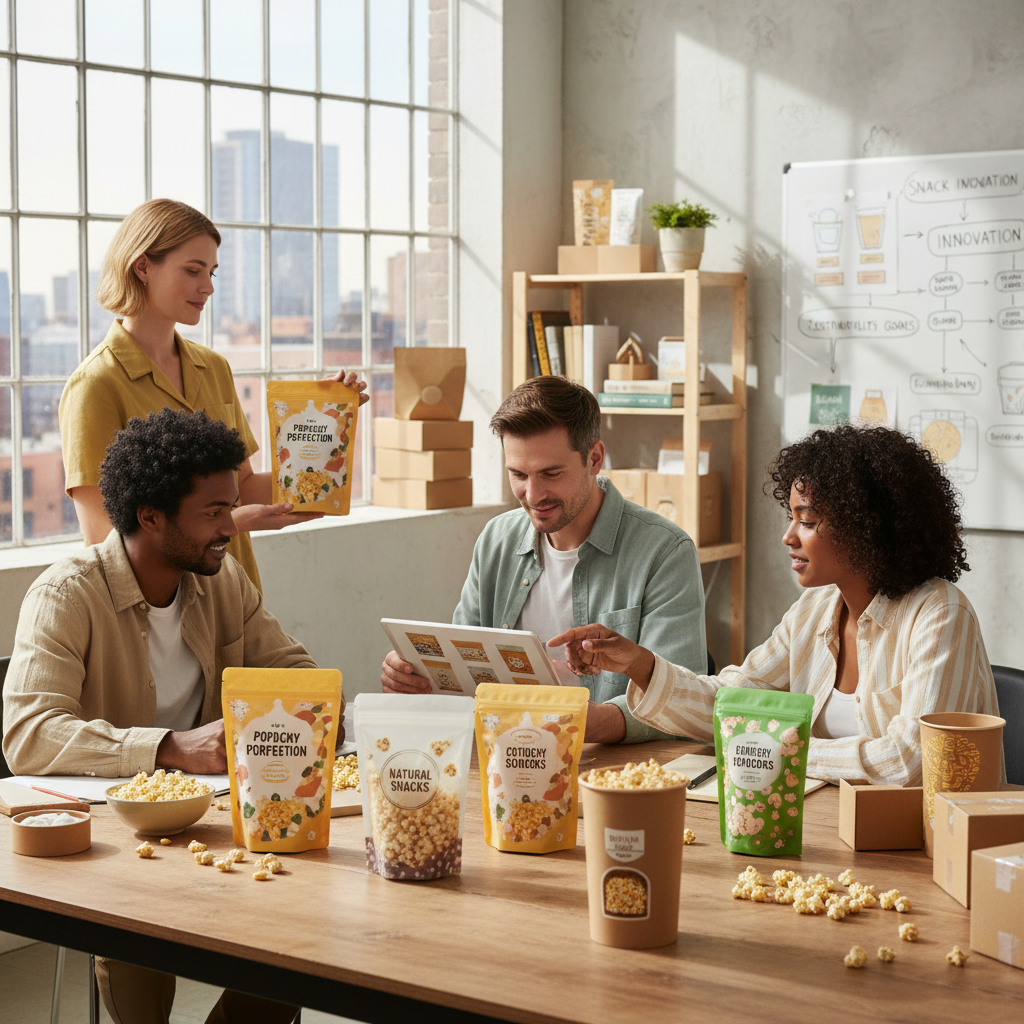
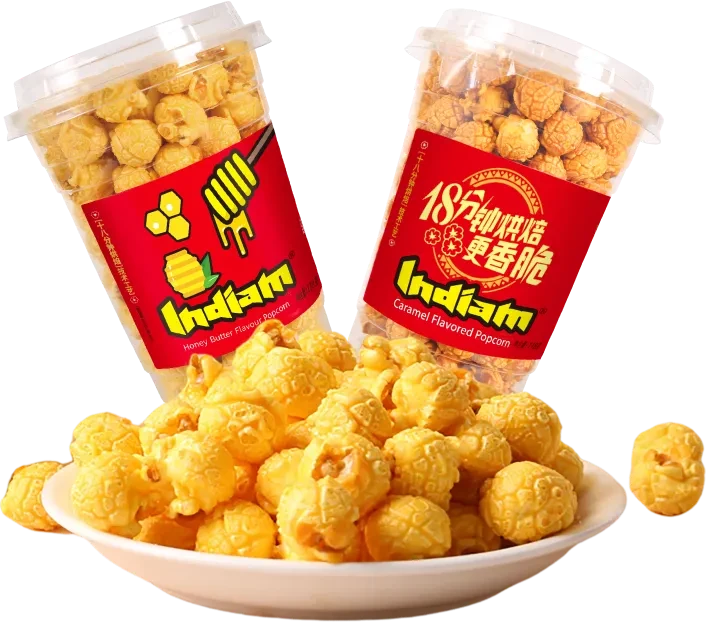
The world of snack foods is constantly evolving, and at the heart of it lies the necessity for effective and reliable packaging. For popcorn, a beloved global treat, this translates into a demand for specialized popcorn packaging suppliers. These suppliers are crucial to maintaining freshness, preventing damage during transport, and ensuring appealing presentation on store shelves. The quality of popcorn packaging directly impacts consumer experience and brand reputation, making it a vital component of the entire supply chain.
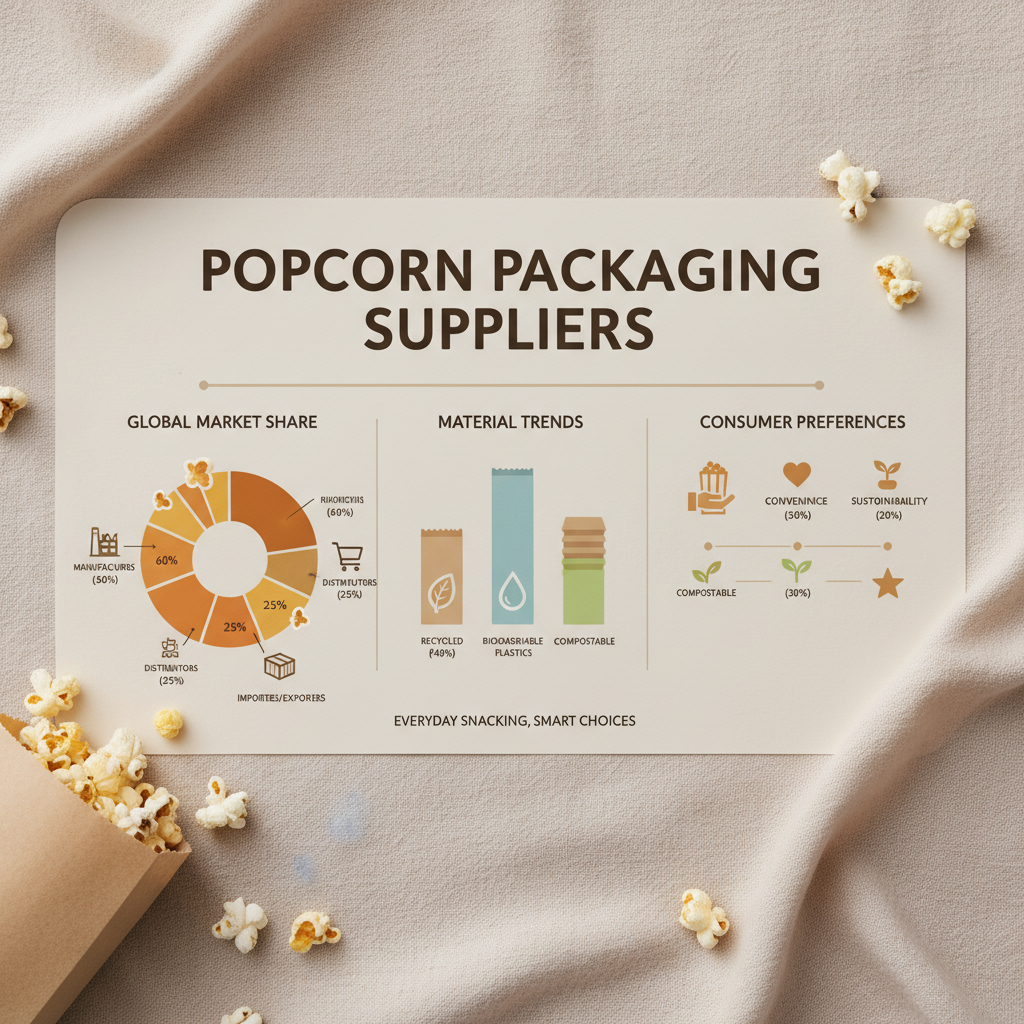
The global popcorn market is substantial and growing. Reports indicate a consistently expanding demand, driven by increasing disposable incomes and the snack’s widespread appeal across diverse cultures. This growth necessitates efficient and scalable popcorn packaging suppliers capable of meeting large-volume needs. Furthermore, rising consumer awareness regarding sustainability is pushing suppliers to innovate and adopt eco-friendly packaging solutions.
Understanding the landscape of popcorn packaging is essential for businesses involved in popcorn production, distribution, and retail. Choosing the right supplier can significantly impact profitability, brand image, and customer satisfaction. This article explores the key aspects of popcorn packaging, highlighting the critical role of suppliers in delivering quality, innovation, and sustainability within this dynamic market.
Introduction to Popcorn Packaging Suppliers
Popcorn packaging suppliers play a pivotal role in protecting the product's integrity from farm to consumer. They don't simply provide containers; they offer solutions tailored to the specific needs of different popcorn varieties (pre-popped, kernels, flavored) and distribution channels. This involves a deep understanding of material science, food safety regulations, and logistical considerations.
These suppliers range from large multinational corporations to smaller, specialized businesses. Their offerings include a wide array of packaging materials – films, foils, bags, boxes, and coatings – each designed with specific barrier properties to maintain freshness, prevent staleness, and protect against physical damage during shipping and handling. The choice of supplier and packaging type profoundly impacts shelf life, product quality, and overall consumer experience.
Defining Popcorn Packaging Suppliers
Popcorn packaging suppliers are businesses specializing in the design, manufacturing, and distribution of packaging materials specifically intended for popcorn products. This encompasses a broad spectrum of solutions, including flexible packaging (bags and pouches), rigid packaging (boxes and containers), and specialized coatings or liners to enhance barrier properties.
They often provide customized services, working closely with popcorn producers to develop packaging that meets their unique requirements regarding branding, size, shape, and specific product characteristics. A crucial aspect of their role is adhering to stringent food safety standards, ensuring the packaging materials are non-toxic and suitable for direct food contact.
The modern popcorn packaging supplier is also increasingly focused on sustainability, offering eco-friendly options such as biodegradable or compostable materials, and actively working to reduce their environmental footprint through responsible manufacturing processes.
Key Factors in Selecting Suppliers
When choosing popcorn packaging suppliers, several key factors must be considered. Durability is paramount – the packaging must withstand the rigors of handling, transportation, and storage without tearing or compromising the product’s integrity. Barrier properties (moisture, oxygen, light) are also critical to maintaining freshness and extending shelf life.
Scalability is another essential aspect, especially for growing businesses. Suppliers should be able to accommodate increasing order volumes without compromising quality or delivery timelines. Cost-effectiveness is, of course, a significant consideration, but should be balanced against quality and reliability; the cheapest option is not always the best in the long run.
Finally, a supplier’s commitment to sustainability and compliance with relevant food safety regulations (e.g., FDA, ISO) is increasingly important. A responsive and collaborative approach to customer service, including design assistance and technical support, can also significantly enhance the partnership.
Global Applications and Industry Needs
The applications of popcorn packaging suppliers are global, serving a diverse range of industries and needs. In the retail sector, visually appealing packaging is essential for attracting consumers and driving sales. For wholesale and food service operations, durable and efficient packaging is key for bulk handling and storage.
In regions with less developed infrastructure, the robustness of packaging is even more critical to prevent damage during transportation and ensure product quality reaches the consumer. In post-disaster relief operations, lightweight and easily distributable popcorn packaging can provide a quick and convenient source of nourishment.
Specifically, the microwavable popcorn segment demands specialized packaging with high heat resistance and controlled venting properties, requiring sophisticated material science from popcorn packaging suppliers. Different regions also present unique cultural preferences regarding packaging aesthetics and size, which suppliers must be able to adapt to.
Popcorn Packaging Supplier Performance Metrics
Advantages and Long-Term Value
Partnering with reputable popcorn packaging suppliers offers numerous advantages. From a cost perspective, optimized packaging can reduce shipping weight and volume, lowering transportation expenses. Furthermore, extending shelf life minimizes product waste, contributing to increased profitability.
Sustainability is another significant benefit. Eco-friendly packaging resonates with environmentally conscious consumers, enhancing brand image and loyalty. Reliability and consistency in packaging quality build trust with customers and reduce the risk of product damage or spoilage, ultimately protecting brand reputation.
Future Trends and Innovations
The future of popcorn packaging suppliers will be heavily influenced by advancements in materials science and a growing emphasis on sustainability. Biodegradable and compostable packaging materials are expected to become increasingly prevalent, driven by consumer demand and stricter environmental regulations.
Smart packaging, incorporating features like QR codes for traceability and freshness monitoring, is also gaining traction. Furthermore, digital printing technologies will enable greater customization and personalization, allowing brands to create unique and engaging packaging designs.
Challenges and Solutions for Suppliers
Popcorn packaging suppliers face several challenges, including fluctuating raw material costs, increasing regulatory scrutiny, and the pressure to innovate and develop sustainable solutions. Maintaining consistent quality while managing cost pressures is a constant balancing act.
One solution is to invest in research and development to explore alternative materials and manufacturing processes. Another is to foster close collaborations with popcorn producers to anticipate their evolving needs and develop customized packaging solutions. Embracing circular economy principles, such as designing packaging for recyclability or reuse, can also mitigate environmental impact and create long-term value.
Adapting to evolving consumer preferences and proactively addressing sustainability concerns will be crucial for popcorn packaging suppliers to thrive in the years ahead.
Challenges Faced by Popcorn Packaging Suppliers
| Challenge Area |
Impact on Operations |
Severity (1-10) |
Potential Solutions |
| Raw Material Cost Volatility |
Reduced Profit Margins, Pricing Instability |
8 |
Long-Term Contracts, Diversified Sourcing |
| Sustainability Demands |
Increased R&D Costs, Material Transition Challenges |
9 |
Investment in Bio-Based Materials, Circular Economy Models |
| Regulatory Compliance |
Increased Administrative Burden, Potential Fines |
7 |
Dedicated Compliance Team, Proactive Monitoring |
| Supply Chain Disruptions |
Production Delays, Inventory Shortages |
6 |
Dual-Sourcing, Strategic Inventory Management |
| Competitive Pressure |
Price Wars, Reduced Market Share |
7 |
Differentiation through Innovation, Value-Added Services |
| Maintaining Quality Control |
Product Defects, Customer Complaints |
8 |
Robust Quality Assurance Systems, Employee Training |
FAQS
Popcorn packaging suppliers commonly utilize materials like polyethylene (PE), polypropylene (PP), polyester (PET), and aluminum foil. Increasingly, suppliers are offering biodegradable options such as PLA (polylactic acid) and compostable films. The specific material choice depends on the popcorn type, desired shelf life, and cost considerations. Barrier properties, such as moisture and oxygen transmission rates, are key factors driving material selection.
Reputable popcorn packaging suppliers adhere to stringent food safety regulations, including those set by the FDA (in the US) and equivalent bodies in other regions. This involves using food-grade materials, implementing robust quality control processes, and conducting regular testing to ensure compliance with migration limits for substances that could potentially contaminate the popcorn. They often hold certifications like ISO 22000 or BRCGS.
Barrier properties are crucial for maintaining popcorn freshness and quality. Moisture barrier prevents the popcorn from becoming stale and losing its crispness. Oxygen barrier prevents oxidation, which can lead to rancidity. Light barrier protects the popcorn from flavor degradation caused by UV exposure. Popcorn packaging suppliers carefully select materials with appropriate barrier properties to meet the specific needs of their clients.
Yes, most popcorn packaging suppliers offer customization options, including printing your brand logo, product information, and other graphics. They typically use flexographic or rotogravure printing techniques. The extent of customization options may vary depending on the packaging material and order volume, but a collaborative approach to design is common.
Sustainable options are becoming increasingly available. These include using recycled content in packaging materials, utilizing biodegradable or compostable films (like PLA), and reducing the overall amount of packaging material used. Suppliers are also exploring innovative packaging designs that minimize waste and maximize recyclability. Popcorn packaging suppliers committed to sustainability often offer certifications to verify their claims.
Lead times can vary significantly depending on the complexity of the order, the packaging material, and the supplier's production schedule. Generally, custom packaging orders require a lead time of 4-8 weeks. It's essential to discuss your specific requirements and timeline with the supplier to ensure timely delivery. Factors like artwork approval and material availability also influence lead times.
Conclusion
In conclusion, popcorn packaging suppliers are a critical link in the food supply chain, ensuring product freshness, protecting quality, and facilitating efficient distribution. Their role extends beyond simply providing containers, encompassing material science, food safety expertise, and a growing commitment to sustainability. Choosing the right supplier is essential for businesses aiming to succeed in the competitive popcorn market.
Looking ahead, innovation in materials and packaging technologies will continue to shape the industry. Embracing sustainable practices and fostering collaborative partnerships between suppliers and popcorn producers will be key to meeting evolving consumer demands and minimizing environmental impact. Visit our website at www.indiampopcorn.com to learn more about our range of popcorn packaging solutions.