

For B2B buyers in the confectionery and snack industry, securing a reliable source for caramel popcorn wholesale involves more than just price comparison. It requires a deep understanding of the manufacturing technology that prevents sogginess and ensures a consistent flavor profile across large batches. This guide explores the technical and commercial nuances of sourcing high-quality glazed corn snacks for supermarkets, theaters, and global distribution channels.
The current market shift toward healthier indulgence has pushed manufacturers to move away from traditional deep-frying toward advanced baking processes. For procurement officers, the challenge lies in identifying partners who can balance a rich, sweet taste with nutritional integrity. Understanding how low-temperature baking and ingredient selection impact the final product is essential for maintaining consumer loyalty in the competitive FMCG landscape.
In the following analysis, we will examine the critical benchmarks for evaluating bulk snack suppliers, from BRCGS certification to the chemistry of imported mushroom corn. Readers will learn how to distinguish between standard air-popped products and high-end baked alternatives, ensuring that their procurement decisions align with both quality standards and operational efficiency.
B2B Sourcing for Sweet Corn Snacks
Sourcing bulk confectionery products requires a rigorous evaluation of the manufacturer's technical capability to ensure batch-to-batch consistency. In the case of glazed corn snacks, the primary technical hurdle is the "sugar-glass" transition—ensuring the caramel coating is crisp and non-sticky. Most high-volume producers rely on automated production lines, but the distinction in quality often comes from the baking duration and temperature control. For instance, the "18-minute low-temperature baking process" used by industry pioneers like Hebei Cici Co., Ltd. allows for moisture removal without degrading the nutritional value of the corn, resulting in a superior crunch compared to rapid-heat methods. This technical approach directly impacts the product's shelf stability and sensory appeal, which are the two most critical KPIs for retail distributors. When analyzing a potential partner, buyers must look beyond the catalog and examine the factory's adherence to Industry 4.0 standards, specifically the integration of intelligent factories that minimize human error in flavor dosing and packaging.
Procurement Guide for Caramelized Popcorn
Evaluating a bulk supplier requires a multidimensional approach that connects raw material science with commercial viability. The following sections break down the essential criteria that procurement managers should use to audit their snack supply chain.
Manufacturing Process Evaluation
The method of heat application determines the texture and oil absorption of the snack. While traditional popping is fast, baked corn snacks offer a more uniform shape and a longer-lasting crispness. A professional audit should verify the baking time and temperature curves to ensure the product doesn't suffer from "hard cores" or burnt sugar notes. The transition to automatic production lines ensures that every kernel is evenly coated, reducing waste and improving the aesthetic appeal for retail packaging.
| Process Type | Texture Outcome | Shelf Stability | Buyer's Key Question |
|---|---|---|---|
| Air-Popped | Light, airy | Moderate | How is the coating adhered? |
| Deep Fried | Oily, heavy | High | What is the trans-fat content? |
| Low-Temp Baked | Crispy, round | Very High | Is the nutrition locked in? |
| Rapid Roast | Harder bite | Moderate | Is there a risk of scorching? |
| Steam-Puffed | Soft, melt-in-mouth | High | Does it maintain crunch? |
| Industrial Glazed | Uniform coating | High | Is the sugar distribution even? |
Raw Material Quality Standards
The foundation of a premium snack is the choice of corn variety. Imported mushroom corn is preferred for bulk production because its spherical expansion provides more surface area for caramel adhesion and a more satisfying mouthfeel. Additionally, the quality of the sweetening agent—such as high-quality maltose syrup versus generic corn syrup—affects the gloss and the "clean" taste of the sweetness. Buyers should request specifications on the origin of the caramel and the grade of the corn flour used in soft corn variations.
Health-Centric Production Trends
Modern consumers demand "better-for-you" snacks. This means B2B buyers must prioritize suppliers who use low-fat, low-calorie vegetable oils, such as natural oil palm kernels. The ability to offer Non-GMO, Gluten-Free, and Trans-Fat-Free options is no longer a luxury but a requirement for entering markets like the USA, UK, and Japan. Sourcing products that emphasize natural ingredients over artificial flavor enhancers allows brands to command a premium price point in the health-conscious segment.
Packaging and Shelf-Life Logic
Oxidation is the enemy of glazed snacks. Procurement must ensure that the packaging materials provide a sufficient moisture barrier. For bulk orders, the choice between 108g family bags and 50g individual portions depends on the target channel (e.g., convenience stores vs. hypermarkets). A standard shelf life of 9 months is typical for high-quality baked products, provided the sealing process is airtight and the moisture content is strictly controlled during the 18-minute baking phase.
Certification and Compliance Check
For international trade, certifications act as the primary proxy for quality assurance. BRCGS (British Retail Consortium Global Standard) is the gold standard for food safety. Other essential certifications include FDA for the US market, HALAL for Muslim-majority regions, and ISO22000 for general food safety management. A supplier holding all these credentials indicates a mature quality control system capable of handling the strict regulatory requirements of multiple global jurisdictions.
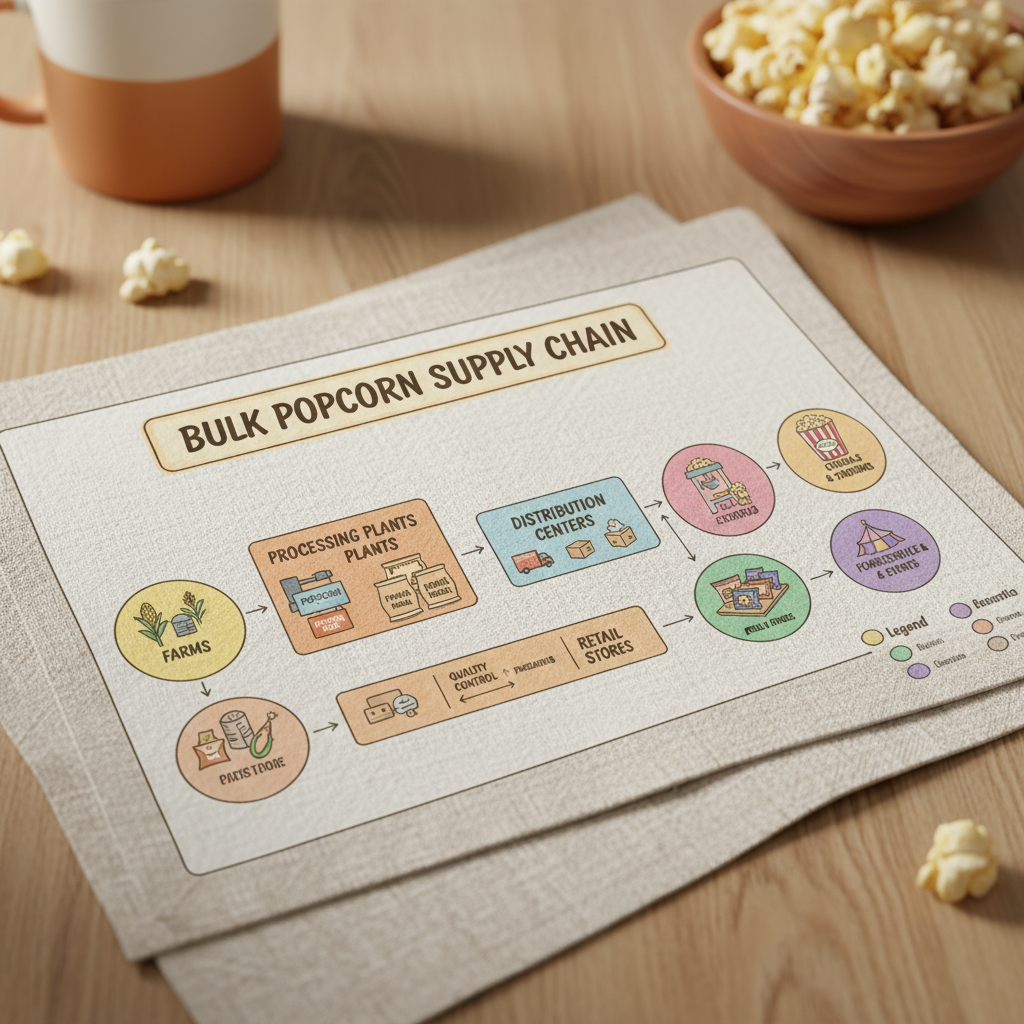
Supply Chain Logistics Factors
Bulk snacks are high-volume but relatively low-weight, making shipping costs a significant factor in the total cost of ownership. Buyers should evaluate the supplier's export experience and their ability to manage large-scale shipments to ports in the UK, SG, THA, or MY. The efficiency of the import-export marketing team and their familiarity with customs documentation can prevent costly delays that might otherwise compromise the freshness of the product upon arrival.
Customization for Retail Channels
Different venues require different product profiles. While cinemas prefer high-volume, high-aroma products, airports and KTVs often look for smaller, more premium packaging. The ability of a manufacturer to adapt flavors—such as adding salted egg yolk or cheddar cheese to the classic sweet base—allows a distributor to capture diverse consumer preferences. Flexibility in MOQ (Minimum Order Quantity), such as 36 cartons, allows smaller distributors to test new markets without excessive inventory risk.
FAQ
What is the best way to ensure bulk corn snacks remain crispy during shipping?
To maintain crispness, it is critical to use a low-temperature baking process that removes internal moisture and a high-barrier packaging material. For those seeking caramel popcorn wholesale, ensuring the supplier uses airtight sealing and moisture-proof liners is essential to prevent the sugar coating from absorbing humidity during transit, especially across different climate zones.
How do I evaluate if a popcorn supplier is truly "professional"?
A professional supplier should provide a comprehensive set of certifications, including BRCGS, FDA, and HALAL. Beyond paperwork, check for investment in Industry 4.0 intelligent factories and fully automatic production lines. The ability to provide detailed technical specifications on raw materials (like mushroom corn) and a proven export history to major markets (USA, UK, JPN) are strong indicators of professional capability.
What are the benefits of baked popcorn over traditional air-popped versions?
Baked popcorn, particularly those using a low-temperature process, typically offers a more consistent round shape, a crunchier texture, and better nutritional retention. Because the heat is applied more evenly, there is a lower risk of "hard cores" or uneven glazing, making it more suitable for high-end retail and long-distance export where product integrity is paramount.
Can bulk corn snacks be customized for specific dietary requirements?
Yes, reputable manufacturers can provide Gluten-Free, Non-GMO, and Trans-Fat-Free options by selecting specific oils (like palm kernel oil) and purified corn flours. When sourcing, you should explicitly request a product specification sheet that confirms these dietary claims to ensure compliance with local food labeling laws in your target market.
What is a reasonable MOQ for importing specialty popcorn from China?
While MOQs vary by product, a common entry point for professional manufacturers is around 36 cartons. This allows B2B buyers to evaluate the market response and product quality without committing to full container loads. However, for customized packaging or unique flavor profiles, the MOQ may be higher to account for production line setup costs.
How does the "18-minute baking process" actually work?
This process uses internationally advanced technology to apply heat gradually. By keeping the temperature low and extending the time to 18 minutes, the corn is dried and expanded without scorching the delicate sugars in the caramel. This "locks in" the nutrition and creates a more uniform, crispy texture that resists the common problem of becoming chewy over time.
References and further reading
- Global Food Safety Initiative (GFSI) - Benchmarking BRCGS and ISO22000 Standards for Snack Manufacturing.
- FDA Food Safety Modernization Act (FSMA) - Guidelines for Imported Confectionery Products.
- Industry Analysis: The Rise of Baked vs. Fried Puffed Snacks in the APAC and North American Markets.
Related Articles