
Advanced Puffed Grain Snack Manufacturing Solutions for Bolivia

Empowering Bolivian food producers with high-efficiency extrusion technology to dominate the regional snack market.

The Landscape of Snack Food Production in Bolivia

Analyzing the intersection of high-altitude logistics and consumer preferences in South America.

In Bolivia, the snack food industry is currently transitioning from artisanal production to industrial scaling. Due to the diverse geography—from the Altiplano to the lowlands—manufacturers face unique challenges regarding raw material moisture control and atmospheric pressure, which directly impact the expansion ratio of puffed products.

The local market shows a strong affinity for corn-based products, making the production of popcorn and extruded corn curls highly lucrative. However, many local factories still rely on outdated batch processing, leading to inconsistencies in texture and flavor distribution across different production runs.

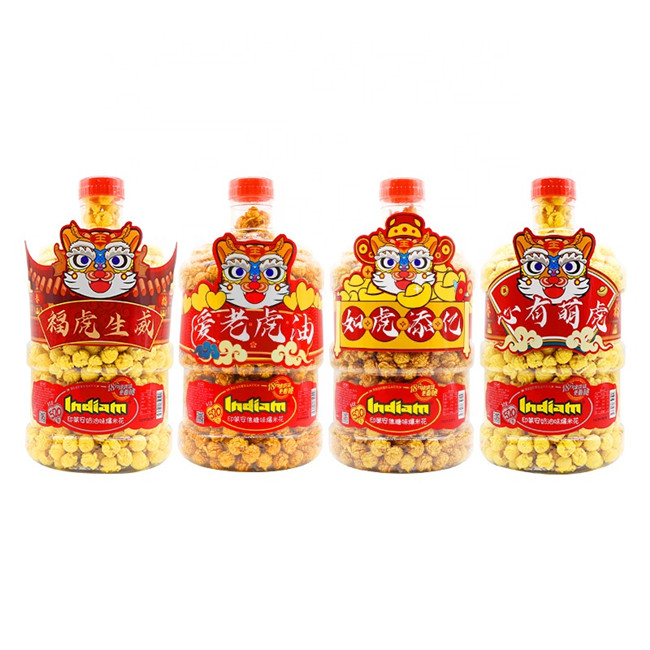
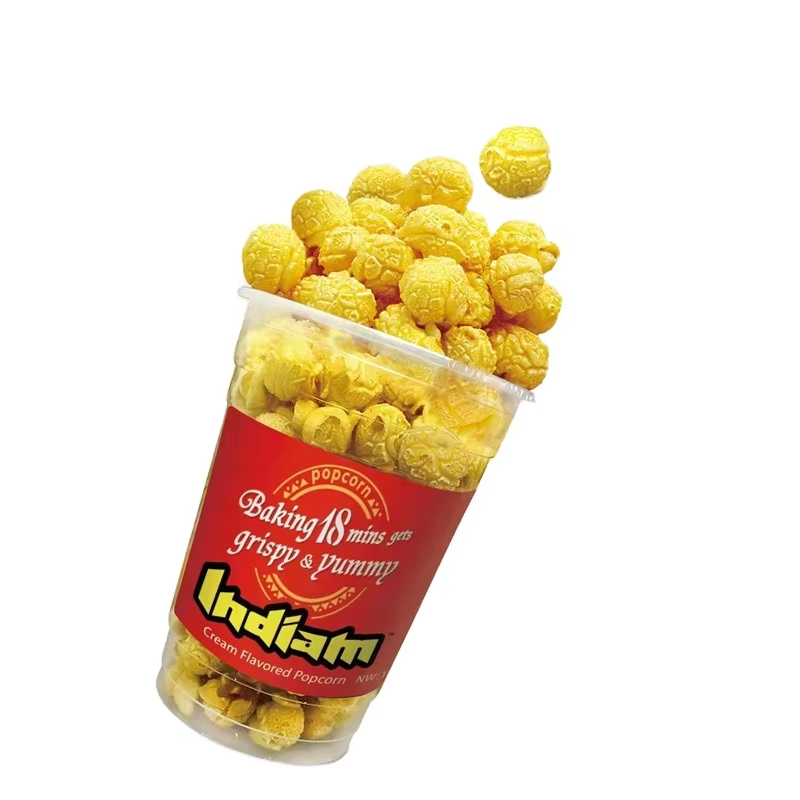
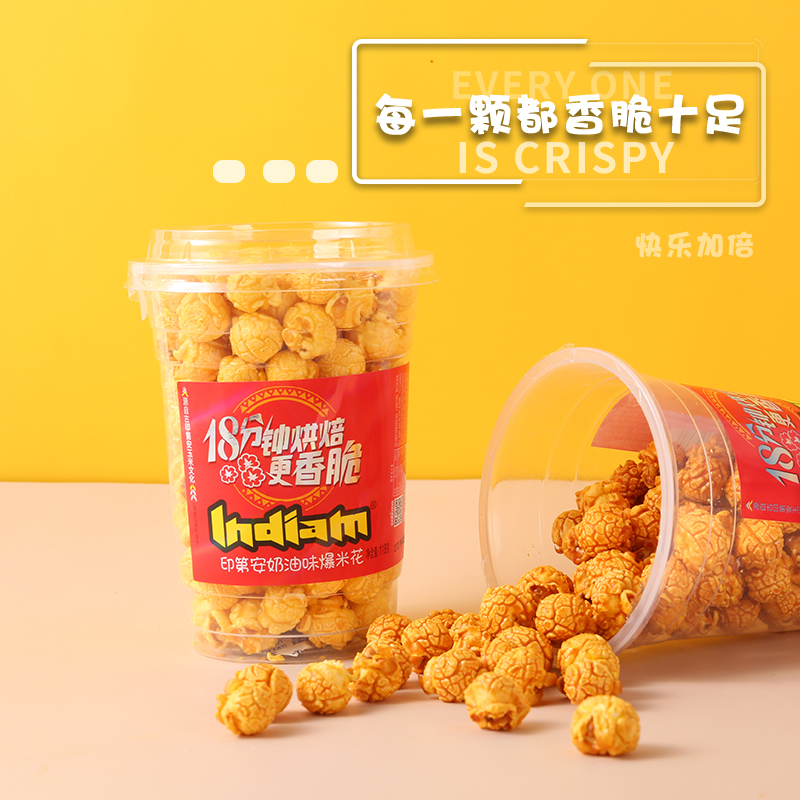
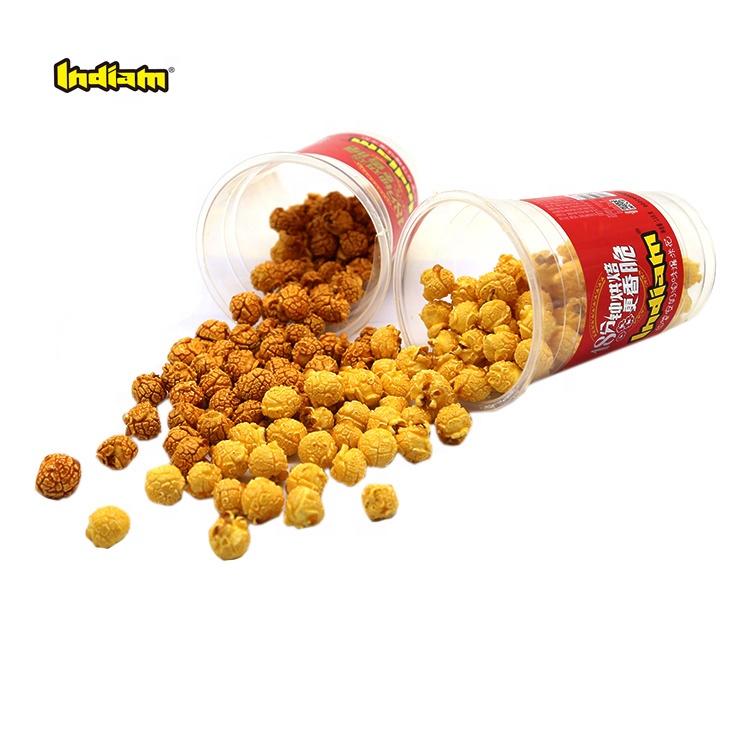
Economic shifts toward urban centers like La Paz and Santa Cruz have increased the demand for packaged, shelf-stable treats. This has created a significant opportunity for the introduction of automated lines capable of producing complex items like the caramel popcorn ball, which combines traditional tastes with modern convenience.
Evolution of Bolivian Puffed Grain Technology

From traditional roasting to precision twin-screw extrusion.

Market Development History

Between 1990 and 2005, the industry was dominated by simple roasting and thermal popping methods. Most producers focused on basic popcorn, utilizing basic heating kettles with minimal quality control, serving mostly local street markets.

From 2006 to 2018, the "Industrialization Wave" hit Bolivia. Single-screw extruders were introduced, allowing for the mass production of sweet corn balls. This era marked the shift toward commercial packaging and the entry of snack foods into formal supermarket chains.

Since 2019, the focus has shifted toward "Precision Processing." The adoption of PLC-controlled systems and advanced coating drums has enabled the production of gourmet items, such as the caramel popcorn ball, with precise sugar crystallization and uniform glazing.

Future Development Trends

Nutritional Fortification

Integration of Andean superfoods like quinoa and amaranth into the puffed grain snack matrix to meet growing health-conscious consumer demands.

Automation in Seasoning

Moving from manual spraying to automated electrostatic seasoning systems to reduce waste and ensure 100% flavor coverage on every piece.

Sustainable Packaging

Adopting biodegradable films to align with global environmental trends, reducing the carbon footprint of the Bolivian snack supply chain.

Industry Outlook and Technological Forecast

Predicting the next 5 years of extrusion innovation in the Bolivian market.

Smart Pressure Control
Implementing AI-driven pressure sensors to adjust for Bolivia's varying altitudes, ensuring a consistent pop for popcorn.
Low-Oil Extrusion
Developing new air-puffing technologies to create sweet corn balls with 30% less saturated fats.
Custom Shape Molding
Advanced die-face technology allowing Bolivian brands to create unique, trademarked shapes for their puffed grain snack lines.
Rapid Glazing Tech
Implementing ultrasonic glazing for the caramel popcorn ball to ensure a crystal-clear, non-sticky finish.

Industry Outlook

Google Search trends in the South American region indicate a rising interest in "healthy extruded snacks" and "natural grain puffs." This suggests that the Bolivian market is moving away from simple sugar-coated products toward functional snacks that offer nutritional value without sacrificing the crunch.

We expect the integration of IoT in production lines to become standard, allowing factory managers in Bolivia to monitor extrusion temperature and moisture levels remotely via mobile devices, drastically reducing raw material waste.

Localized Application Scenarios in Bolivia

Practical implementations of our technology in the Bolivian food ecosystem.

1. High-Altitude Urban Distribution

Implementing vacuum-sealed packaging lines for snack food in La Paz to prevent premature oxidation and maintain crispness at 3,600 meters above sea level.

2. Santa Cruz Industrial Clusters

Deploying large-scale twin-screw extruders for the mass production of sweet corn balls to supply the growing supermarket networks in the lowland regions.

3. Artisanal-to-Industrial Transition

Providing modular "starter kits" for family-owned businesses to upgrade from manual popping to semi-automated popcorn production lines.

4. Gourmet Export Initiatives

Setting up high-precision coating and cooling tunnels for the production of caramel popcorn ball aimed at the luxury export market in neighboring Chile and Peru.

5. Andean Grain Integration

Customizing extrusion dies and temperature profiles to process quinoa-corn blends into a unique Bolivian puffed grain snack.

Brand Story

Global Development Journey of Hebei Xianxian Agricultural Products Co., Ltd.

Agricultural Roots

Founded on the principle of maximizing crop value, we began by optimizing the processing of raw grains into high-quality food ingredients.

Technological Breakthrough

We invested heavily in extrusion R&D, solving the common industry pain point of uneven puffing and texture inconsistency in grain snacks.

Global Expansion

Recognizing the potential in South America, we tailored our machinery to handle diverse grain varieties and varied climatic conditions.

Innovation Hub

Established a global support network to provide Bolivian manufacturers with real-time technical consulting and recipe optimization.

Sustainable Vision

Our mission is to empower local food producers worldwide to create nutritious, delicious snacks using sustainable, efficient technology.

Bolivian Snack Manufacturing FAQ

Expert answers to common technical and market questions in the region.

How does altitude affect popcorn expansion in La Paz?

Lower atmospheric pressure at high altitudes can cause kernels to pop prematurely or unevenly. Our machines use sealed pressure chambers to simulate optimal conditions, ensuring maximum expansion.

What is the best extrusion temperature for sweet corn balls?

Depending on the corn variety used in Bolivia, we typically recommend a range of 150°C to 180°C, with precise moisture control at 12-14% for the ideal crunch.

How to prevent sticking in caramel popcorn ball production?

The key is a controlled cooling phase and the use of specialized non-stick coating drums. Our systems include an integrated cooling tunnel that sets the caramel instantly.

Can we use quinoa for puffed grain snack lines?

Yes, our extruders are versatile. By adjusting the screw configuration and temperature zones, you can process quinoa or amaranth blends seamlessly.

What is the capacity of a standard snack food line?

We offer scalable solutions ranging from 100kg/h for boutique producers to 1000kg/h for industrial plants in the Santa Cruz region.

How to maintain equipment in humid lowland climates?

We use stainless steel 304/316 for all food-contact parts and provide moisture-resistant electrical cabinets to prevent corrosion in humid environments.

Ready to Scale Your Production?

Get a customized technical consultation for your food manufacturing plant in Bolivia.

Contact Us Now
tel
mailto
tel
mailto
wx
wx
email
tel
tel
email

If you are interested in our products, you can choose to leave your information here, and we will be in touch with you shortly.