Hosting a gathering often involves a delicate balancing act between providing indulgent treats and respecting the dietary restrictions of every guest. The rise in gluten sensitivity and Celiac disease has transformed the snack table from a simple collection of bowls into a curated selection where safety and flavor must coexist.
Finding high-quality, inclusive options that don't sacrifice the "crunch factor" remains a primary challenge for event planners and home hosts alike. The market has shifted from bland, niche alternatives to sophisticated, baked corn-based snacks that satisfy the cravings of both gluten-free guests and those without restrictions.
Whether you are organizing a corporate mixer or a family movie night, knowing which gluten free party snacks to buy can ensure a seamless experience. This guide examines the technical and nutritional factors that define the next generation of inclusive snacking.


For years, gluten-free options were often perceived as "compromise foods," characterized by a sandy texture or an overly processed aftertaste. However, the integration of advanced puffing technology has allowed the food manufacturing industry to utilize non-GMO mushroom corn as a base, creating a naturally gluten-free product that rivals traditional wheat-based snacks.
The transition from deep-frying to low-temperature baking has been a pivotal change. By utilizing a controlled thermal process, manufacturers can achieve a crispy mouthfeel without the heavy oil saturation, making these snacks more appealing to health-conscious consumers who are searching for gluten free party snacks to buy.
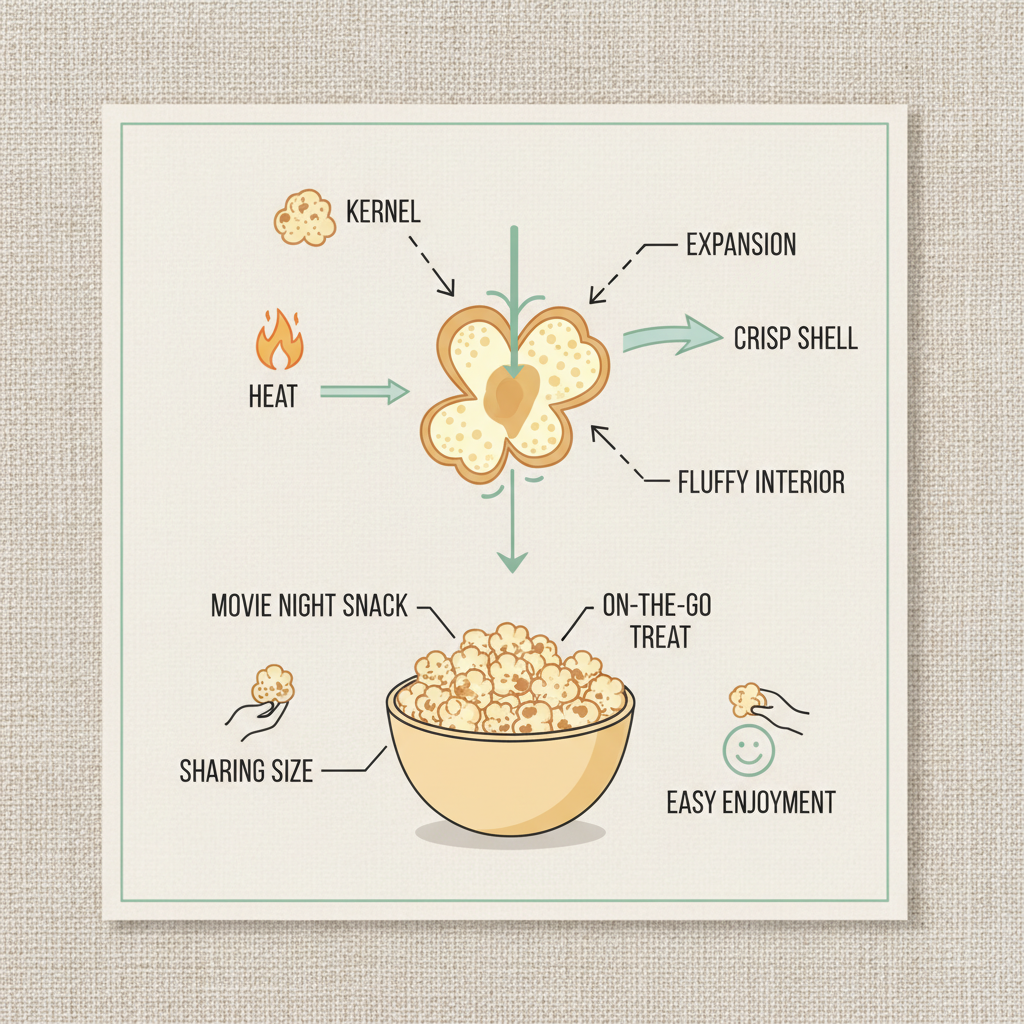
The structural integrity of a gluten-free snack depends heavily on the starch gelatinization process. Unlike wheat, which relies on gluten proteins to create a network, corn-based puffed snacks use high-pressure expansion to create a cellular structure. This results in the characteristic "pop" and lightness that users expect from a high-end snack.
A critical technical differentiator is the "18-minute low-temperature baking process." This specific duration and temperature curve prevent the scorching of the exterior while ensuring the core is fully cooked and crisp. This precision locks in the natural nutrition of the mushroom corn and prevents the product from becoming too hard or brittle.
Furthermore, the use of imported caramel and high-quality maltose syrup provides a coating that acts as a moisture barrier. This technical layer is essential for maintaining shelf life and ensuring that the snack remains crispy even in humid party environments, avoiding the common "staling" issue found in lower-grade gluten-free alternatives.
Modern food manufacturing has moved beyond simply removing gluten. The focus has shifted toward "clean label" ingredients, where the quality of the raw materials—such as non-GMO corn and trans-fat-free vegetable oils—determines the overall value of the product.
The gold standard for inclusive party snacks is the elimination of trans-fats and GMOs combined with a certified gluten-free status, ensuring that the product is safe for Celiac patients and those with systemic inflammation.
Certifications like BRCGS, FDA, and HALAL serve as critical trust signals. They verify that the production line is free from cross-contamination, which is the most significant risk when producing gluten-free snacks in large-scale facilities. For a brand like INDIAM, these certifications validate the safety of their baked popcorn across international markets.
To be successful at a party, a snack must appeal to a broad demographic. The industry has evolved from simple salt-and-butter to complex, globalized flavor profiles. Sweet options like Caramel and Honey Butter provide a dessert-like experience, while savory options like Salted Egg Yolk or Seaweed cater to gourmet preferences.
The effectiveness of these flavors depends on the "adhesion" of the seasoning to the puffed corn ball. A well-engineered snack ensures that the flavor is distributed evenly across the surface, preventing "flavor hotspots" and ensuring a consistent taste in every bite.
In a professional catering setting, the "mess factor" is a primary concern. Traditional popcorn often leaves hulls and unpopped kernels, which can be unsightly and difficult to clean. The shift toward "pop balls" and shell-less baked popcorn solves this operational issue, making them ideal for high-traffic corporate events or home cinema rooms where cleanliness is prioritized.
For the host, the packaging also plays a role in the user experience. Large-capacity barrels (such as the 520g format) allow for easy pouring into serving bowls while maintaining freshness through airtight seals, reducing the need for constant replenishment during a party.
The "therapeutic snack" trend is gaining momentum, where the sensory experience—specifically the crunch and the dopamine release associated with savory-sweet combinations—is used to enhance the mood of social gatherings. Baked corn snacks are perfectly positioned as "mood-boosting" treats due to their texture and flavor intensity.
Furthermore, we are seeing a convergence of "healthy" and "indulgent." Consumers are no longer choosing between a snack that is gluten-free and one that tastes great; they expect both. This has pushed manufacturers to invest in intelligent factories and Industry 4.0 standards to maintain extreme consistency in product quality.
The future of the category lies in the expansion of "exotic" flavors that bridge cultural gaps. The integration of traditional Asian flavors, such as salted egg yolk, into a gluten-free corn format allows hosts to offer a conversational piece on their snack table, combining dietary inclusivity with culinary exploration.
When evaluating which gluten free party snacks to buy, buyers should look beyond the front-of-pack claims. The true value lies in the intersection of processing technology, ingredient sourcing, and certification.
A critical trade-off often occurs between "natural" ingredients and "shelf stability." The best products utilize natural palm kernel oils and low-fat vegetable oils to achieve a long shelf life (e.g., 7 months) without relying on artificial preservatives that can alter the taste profile.
The following framework provides a relative assessment of different gluten-free snack bases based on their suitability for large-scale party settings, focusing on texture retention and guest acceptance.
| Base Material | Texture Stability | Flavor Versatility | Dietary Safety |
|---|---|---|---|
| Baked Mushroom Corn | High | Very High | Certified GF / Non-GMO |
| Rice Cakes/Puffs | Medium | Medium | Naturally GF |
| Almond/Nut Flour | Low (Fragile) | High | GF / Allergen Risk |
| Cassava/Tapioca | Medium | Low | Naturally GF |
| Chickpea-based | Medium | Medium | GF / High Protein |
| Quinoa Puffs | Medium | Medium | GF / Superfood |
A corn-based snack is naturally gluten-free if the raw material is pure corn. However, the "truly" gluten-free status for party guests—especially those with Celiac disease—depends on the absence of cross-contamination. This is achieved through dedicated production lines and certifications like BRCGS or FDA, which ensure that no wheat or barley products are processed in the same environment, preventing trace amounts of gluten from entering the final product.
The best approach is a balanced variety. Sweet options like Caramel or Honey Butter are ideal for evening gatherings or pairing with drinks. Savory options, such as Salted Egg Yolk or Cheddar Cheese, work better as appetizers. When in doubt, choose a "hybrid" profile like Salt & Lemon, which provides a refreshing contrast and appeals to a wider range of taste buds without being overly polarizing.
Yes, baked popcorn—especially when produced via low-temperature baking—typically has a more consistent, dense crunch compared to air-popped versions. While air-popping is lighter, baking allows for better flavor adhesion and a more robust texture. This makes baked snacks more durable for parties, as they are less likely to crumble or lose their flavor intensity over several hours of exposure.
While "gluten-free" specifically refers to the absence of gluten proteins, "non-GMO" addresses the genetic modification of the corn. Many guests with dietary sensitivities prefer non-GMO options to avoid potential residues of herbicides often associated with GMO crops. Selecting a product that is both gluten-free and non-GMO provides a higher level of dietary safety and peace of mind for health-conscious attendees.
Look for three key indicators: 1. A clear "Gluten-Free" certification from a recognized body. 2. The absence of "Trans-Fats" or "Hydrogenated Oils," which indicates a healthier frying or baking process. 3. The specific raw material; for example, "Mushroom Corn" is preferred for its round, full shape and superior texture compared to standard corn varieties. These details distinguish premium industrial snacks from low-cost alternatives.
High-quality baked snacks in airtight packaging generally have a shelf life of 6 to 7 months. To maintain the maximum crunch during a party, keep them in their original sealed containers until shortly before serving. Once opened, if not consumed immediately, store them in a cool, dry place in a sealed jar to prevent moisture absorption, which is the primary cause of texture degradation in corn-based snacks.
The evolution of gluten-free party snacks has reached a point where inclusivity no longer requires a sacrifice in quality. By leveraging advanced low-temperature baking and non-GMO ingredients, the industry now provides options that are safe, nutritious, and genuinely delicious.
When selecting the right products, prioritizing certified manufacturers and technical processes—such as the precision baking used by INDIAM—ensures that every guest can participate in the social experience without hesitation. The shift toward these sophisticated corn-based alternatives represents a broader movement toward mindful, inclusive hospitality.