The world runs on snacks, plain and simple. But getting those chips, cookies, and candies to where they need to be – stores, schools, event venues – that's a massive undertaking. That's where snack food wholesale comes in. It's the engine powering the availability of the treats we all enjoy, a complex system of sourcing, storage, and distribution that operates on a global scale. From the small mom-and-pop shop stocking up for the week to a national chain feeding millions, efficient snack food wholesale is critical. Understanding it isn’t just about business; it’s about ensuring consistent access to affordable, enjoyable products for consumers everywhere.
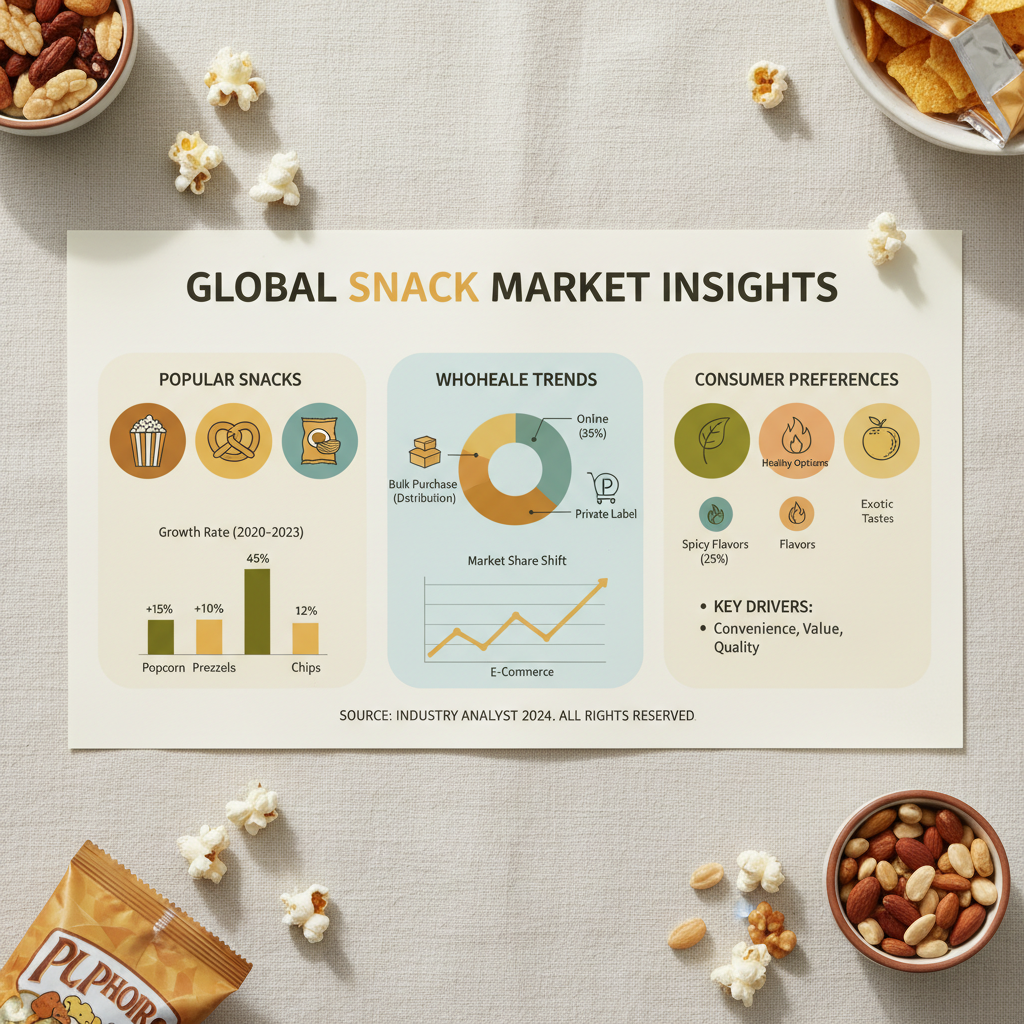
The scale of the snack food industry is staggering. According to recent reports, the global snack food market is valued in the hundreds of billions of dollars, with consistent growth predicted for the coming years. This growth is driven by changing lifestyles, increased disposable income in emerging markets, and a constant demand for convenience. But this demand creates challenges. Maintaining quality, navigating complex supply chains, and ensuring competitive pricing are all hurdles wholesalers must overcome. The sector’s success hinges on streamlining processes and adopting innovative solutions, and a deep understanding of wholesale operations is paramount.
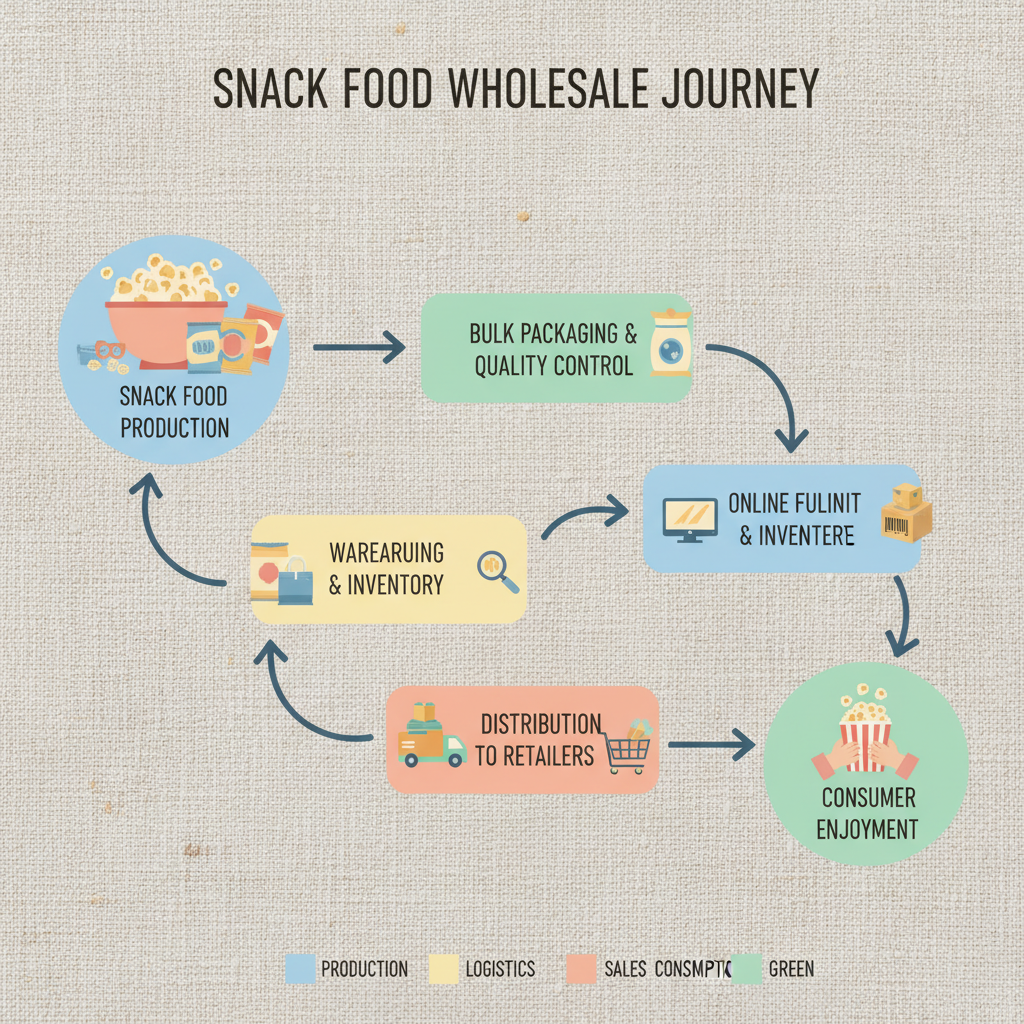
At its heart, snack food wholesale is the sale of snack products in bulk to retailers or other businesses. It’s distinct from direct-to-consumer sales or manufacturing. Think of it as the vital link between producers – the companies that make the snacks – and the businesses that sell them. It’s a logistical dance involving warehousing, inventory management, transportation, and strong relationships with both suppliers and customers. It's a crucial component of the food supply chain, and effective wholesale practices directly impact the affordability and availability of snacks for everyone.
The Global Landscape of snack food wholesale
Snack food wholesale isn't confined to one region; it’s a truly global operation. From the cocoa bean farms in West Africa supplying chocolate ingredients to the potato fields in North America fueling the chip industry, the supply chains are incredibly interconnected. Countries like China and India are rapidly growing markets, both as producers and consumers of snack foods. The United Nations’ Sustainable Development Goals also play a role – wholesalers are increasingly under pressure to demonstrate ethical sourcing and sustainable practices throughout their operations. We see this translating into demands for traceability and transparency, something I've been pushing for with our suppliers for years.
The sheer volume of product moving through wholesale channels is immense. The ISO 22000 food safety management system is becoming increasingly vital for ensuring product integrity and consumer confidence. Issues like geopolitical instability, climate change impacting crop yields, and fluctuating transportation costs all add layers of complexity. Dealing with these disruptions requires agility and a robust network of partners, something you learn quickly when you're standing on a loading dock watching shipments delayed due to unforeseen circumstances.
Defining snack food wholesale
Let’s get straight to it: snack food wholesale is the process of buying snack products in large quantities from manufacturers or distributors and reselling them to retailers, institutions (like schools or hospitals), or other businesses. It’s not about selling a single bag of chips to a customer; it’s about moving pallets of product at a time. It’s a business-to-business transaction, fundamentally different from retail. It’s the bedrock of the entire snack food distribution system.
You can think of it as the logistical backbone that makes your local grocery store shelves stocked. Without efficient wholesale operations, those shelves would be empty. It requires significant investment in warehousing, transportation, and technology to manage inventory and ensure timely delivery. It’s the unsung hero of the food industry, enabling accessibility and affordability.
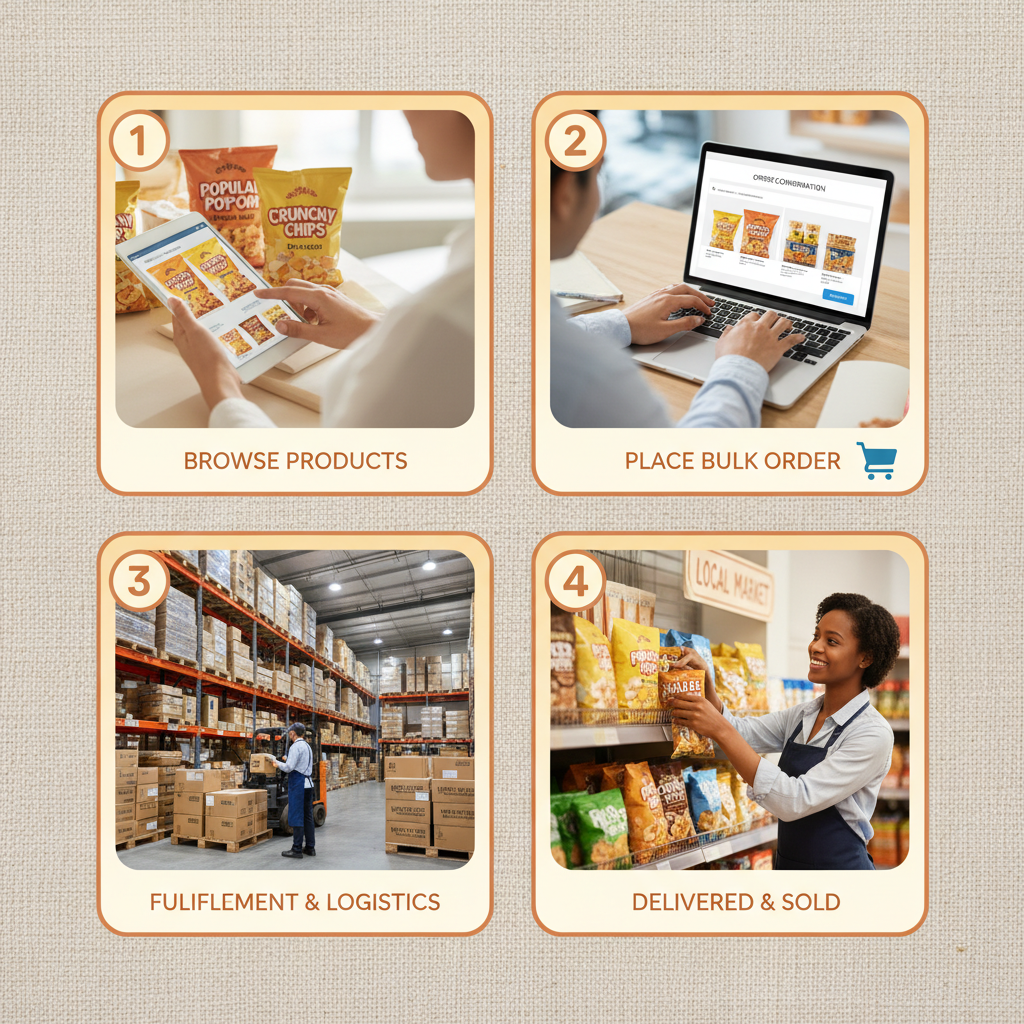
In today’s world, snack food wholesale is increasingly intertwined with technological advancements. E-commerce platforms are emerging, allowing smaller retailers to access wholesale pricing and streamline their ordering processes. This is changing the game, leveling the playing field, and putting pressure on traditional wholesalers to adapt or be left behind. It's about embracing new technologies and finding ways to make the entire process more efficient and transparent.
Core Components of Efficient Wholesale
Several key factors determine the success of a snack food wholesale operation. First and foremost is Logistics. Efficient transportation, strategic warehouse locations, and optimized routing are crucial for minimizing costs and ensuring timely deliveries. I’ve seen operations crippled by poor logistics; it's the difference between a happy customer and a lost account.
Second, Inventory Management is paramount. Accurately forecasting demand, minimizing waste, and maintaining optimal stock levels are critical. This isn’t just about numbers on a spreadsheet; it’s about understanding seasonal trends, promotional activities, and customer purchasing patterns. I rely heavily on my team on the ground for this, they have their finger on the pulse of what’s moving and what’s not.
Third, Supplier Relationships are essential. Strong partnerships with manufacturers allow for favorable pricing, consistent supply, and access to new products. It's about building trust and collaborating on solutions. A good supplier isn't just someone who delivers product; they’re a partner in your success. Finally, Technology Adoption is no longer optional. From warehouse management systems to data analytics platforms, technology is essential for streamlining operations and gaining a competitive edge.
Real-World Applications of snack food wholesale
You see snack food wholesale in action everywhere. Think about the large supermarket chains – they rely on wholesalers to supply a vast array of products, ensuring their shelves are always stocked. Schools and universities depend on wholesale suppliers for snacks in vending machines and cafeterias. Event venues, like stadiums and concert halls, need bulk quantities of snacks to serve attendees.
In post-disaster relief operations, snack food wholesale can be a lifeline, providing readily available, non-perishable food to those in need. The ability to quickly mobilize and deliver large quantities of snacks can make a significant difference in emergency situations. Remote industrial zones, like mining camps or construction sites, also rely heavily on snack food wholesale to provide provisions for their workforce.
snack food wholesale Efficiency by Method
Advantages and Long-Term Value
The benefits of a streamlined snack food wholesale operation are substantial. Cost savings are obvious – efficient logistics, bulk purchasing, and optimized inventory management all contribute to lower expenses. But it goes beyond just the bottom line.
Sustainability is increasingly important. Wholesalers can reduce their environmental impact by optimizing transportation routes, minimizing waste, and sourcing products from sustainable suppliers. This isn't just good for the planet; it's good for business. Consumers are increasingly demanding sustainable products, and wholesalers who can deliver will have a competitive advantage.
Future Trends Shaping snack food wholesale
We're on the cusp of some major changes. Automation, driven by robotics and artificial intelligence, is going to revolutionize warehouse operations. Expect to see more automated guided vehicles, robotic picking systems, and AI-powered inventory management. Digital transformation is also key – blockchain technology could provide greater transparency and traceability throughout the supply chain.
The demand for healthier snacks is also driving innovation. Wholesalers will need to adapt to offer a wider range of products, including organic, gluten-free, and low-sugar options. And finally, sustainability will continue to be a major focus, with a growing emphasis on eco-friendly packaging and responsible sourcing.
We'll also see a rise in "direct-to-wholesale" platforms, cutting out the middleman and allowing manufacturers to sell directly to retailers. This will put pressure on traditional wholesalers to offer more value-added services, like data analytics and supply chain optimization.
Challenges and Innovative Solutions
Despite advancements, challenges remain. Supply chain disruptions, like those we've seen in recent years, can wreak havoc. Maintaining consistent product quality is another concern, particularly when sourcing from multiple suppliers. And the ever-increasing pressure to reduce costs while maintaining service levels is a constant battle.
One solution is to invest in diversified sourcing. Don't rely on a single supplier for critical ingredients or products. Another is to embrace predictive analytics. By analyzing historical data, wholesalers can better forecast demand and optimize inventory levels. Finally, collaborative logistics – working with other wholesalers to share resources and optimize transportation routes – can significantly reduce costs and improve efficiency. I've seen firsthand how beneficial collaboration can be, especially in challenging times.
I’m also a big believer in building strong relationships with your carriers. A good relationship means they’ll go the extra mile for you when things get tight, something that’s been invaluable more than once. It’s all about proactive problem solving and building resilience into the system.
Summary of snack food wholesale Challenges and Solutions
| Challenge |
Impact Area |
Solution |
Implementation Difficulty (1-10) |
| Supply Chain Disruptions |
Product Availability |
Diversified Sourcing |
6 |
| Quality Control |
Brand Reputation |
Rigorous Supplier Audits |
7 |
| Cost Pressure |
Profit Margins |
Automation & Optimization |
8 |
| Inventory Management |
Waste & Spoilage |
Predictive Analytics |
5 |
| Transportation Costs |
Delivery Expenses |
Collaborative Logistics |
7 |
| Evolving Consumer Demand |
Product Relevance |
Agile Product Sourcing |
4 |
FAQS
The biggest hurdles are definitely supply chain disruptions, increasing transportation costs, and meeting ever-changing consumer demands for healthier and more sustainable snack options. Maintaining consistent product quality across a diverse supply base is also a constant challenge. It's about being adaptable and proactive to navigate these complexities.
Technology is absolutely critical. Warehouse Management Systems (WMS), Transportation Management Systems (TMS), and data analytics platforms are no longer luxuries – they’re necessities. Automation, AI-powered forecasting, and blockchain for traceability are all game-changers. Investing in the right technology is vital for improving efficiency, reducing costs, and gaining a competitive edge.
While the terms are often used interchangeably, there's a distinction. A wholesaler typically buys in bulk from manufacturers and sells to retailers. A distributor often represents a specific brand or manufacturer and focuses on promoting and selling their products. Some companies act as both, but the core function of a wholesaler is bulk purchasing and resale.
Rigorous supplier audits, adherence to food safety standards like ISO 22000, and robust quality control procedures are paramount. This includes proper storage conditions, temperature monitoring, and regular product testing. Traceability is also key – being able to track a product back to its source in case of an issue.
Sustainability is becoming increasingly important. Consumers are demanding eco-friendly packaging, responsibly sourced ingredients, and reduced carbon footprints. Wholesalers can contribute by optimizing transportation routes, minimizing waste, and partnering with sustainable suppliers. It's not just about doing the right thing; it's about meeting market demands.
Agility and market research are crucial. Wholesalers need to stay on top of trends, like the growing demand for healthier snacks and plant-based alternatives. Offering a diverse product portfolio, partnering with innovative suppliers, and adapting their inventory management strategies are all key to staying relevant.
Conclusion
In conclusion, snack food wholesale is a complex yet essential component of the global food supply chain. From navigating logistical challenges to embracing technological advancements and prioritizing sustainability, success hinges on adaptability, strong supplier relationships, and a keen understanding of market dynamics. It’s a far cry from simply moving boxes; it’s a strategic operation requiring continuous optimization and a commitment to delivering value.
Looking ahead, the future of snack food wholesale will be shaped by automation, data analytics, and a growing focus on sustainability. Companies that embrace these trends and prioritize resilience will be best positioned to thrive in an increasingly competitive landscape. If you're looking for a reliable partner to streamline your snack food supply chain, visit our website today.