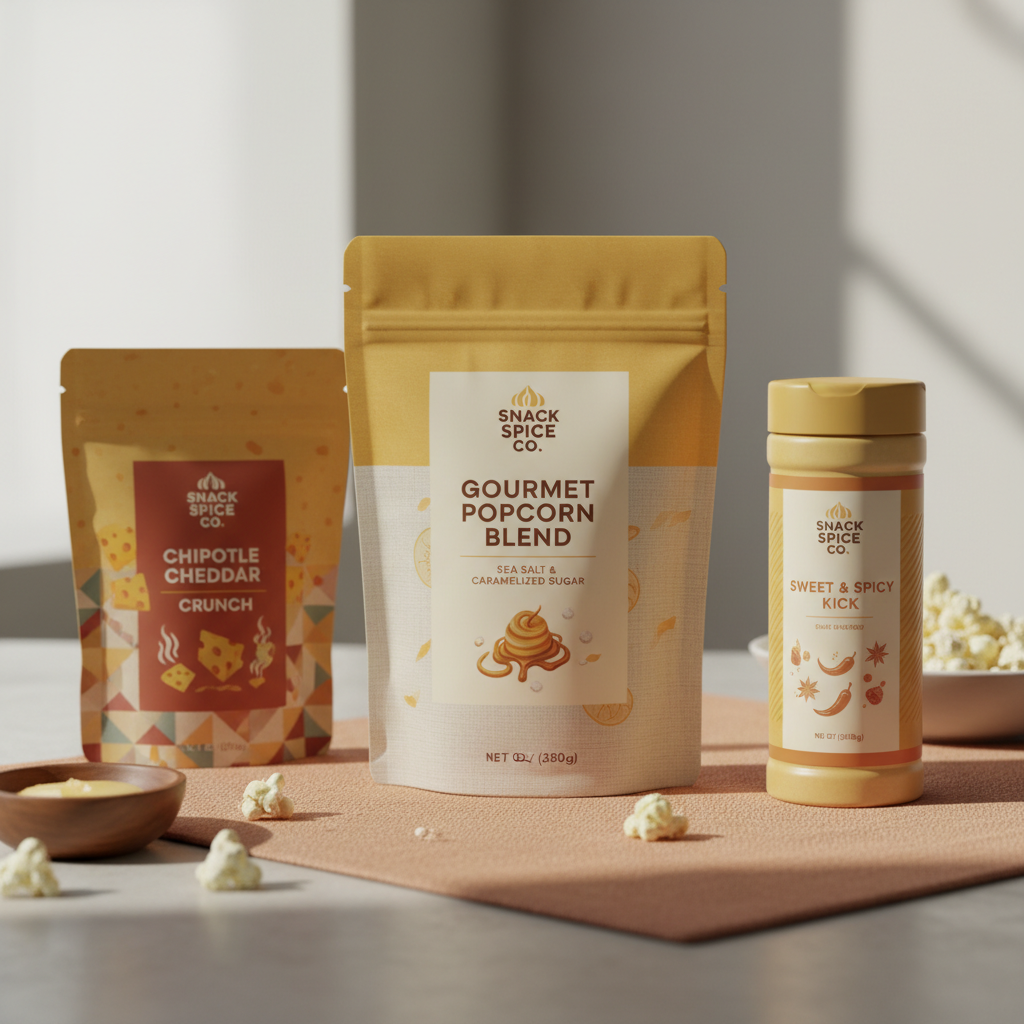
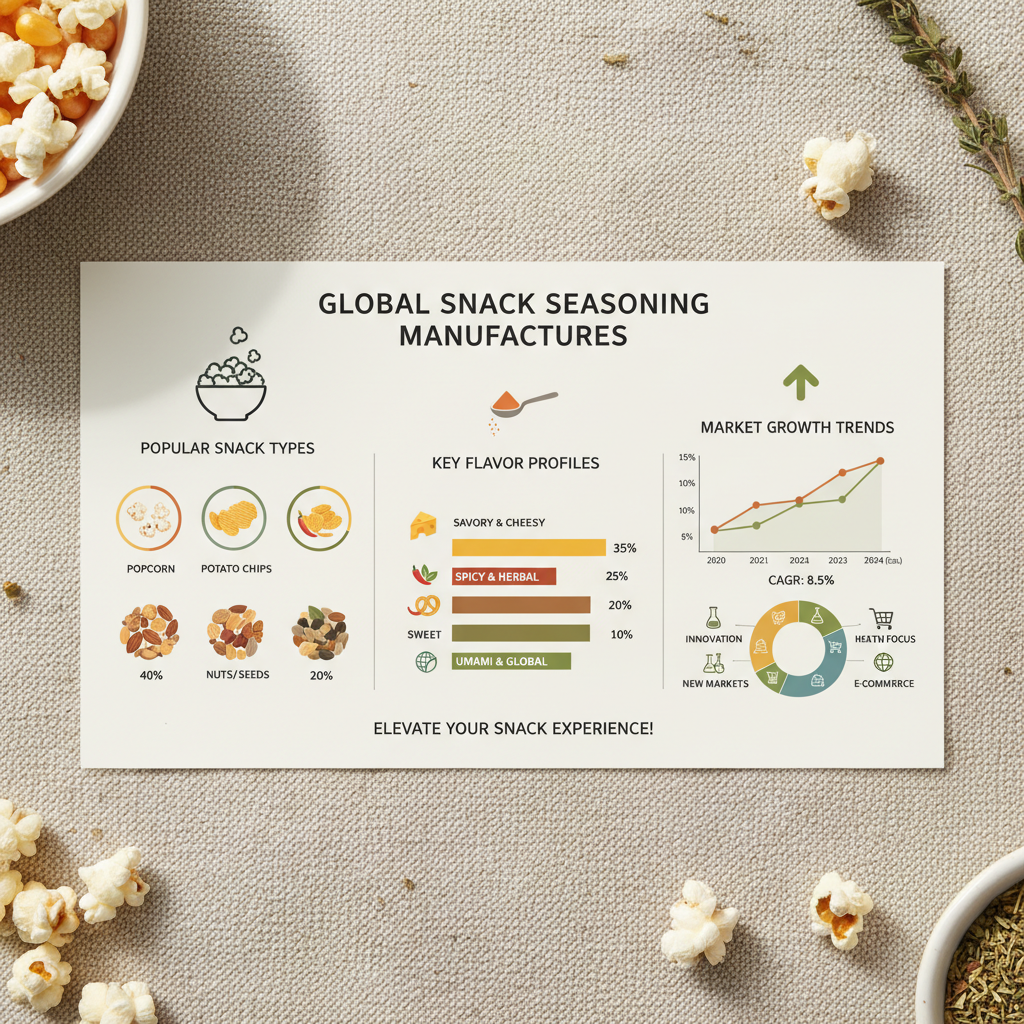
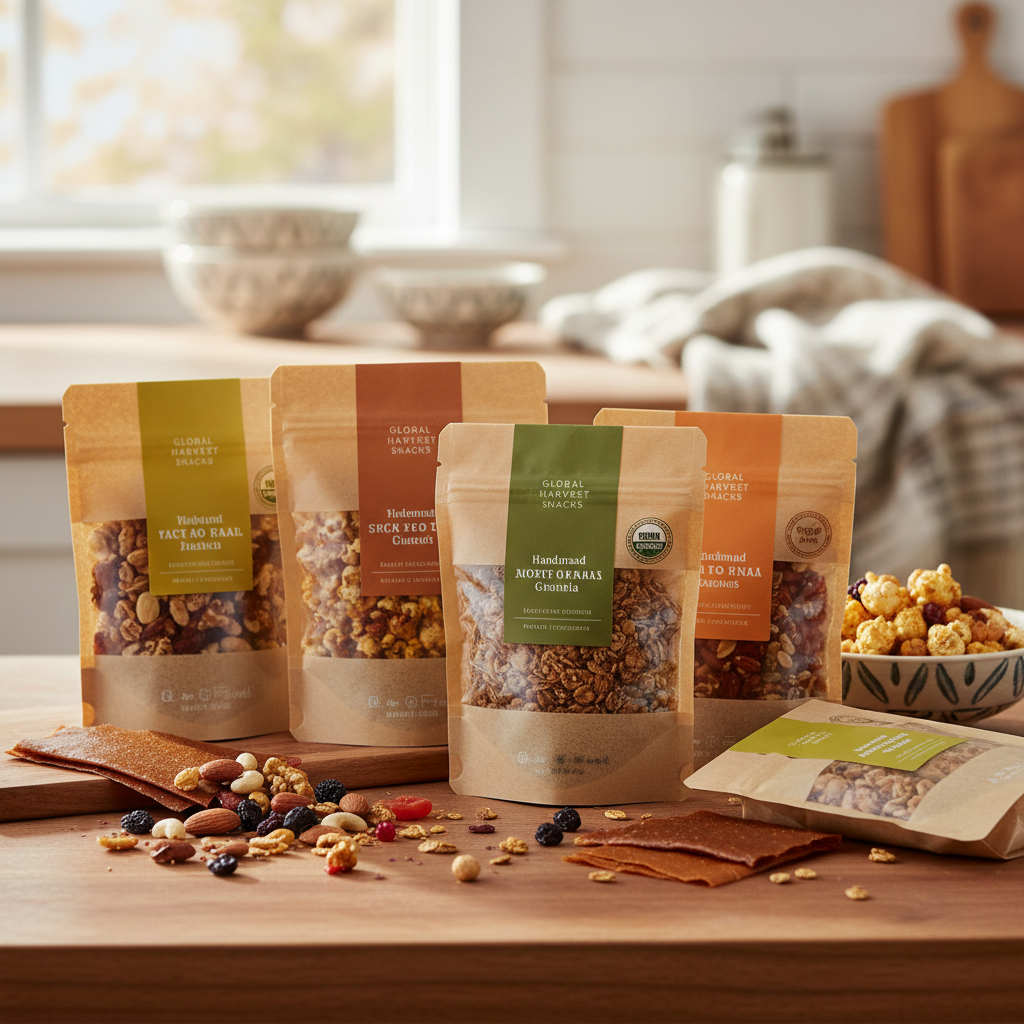
The world of snack foods is booming, and behind every craveable chip, pretzel, or popcorn is a dedicated team of snack seasoning manufacturers. These aren’t just flavor houses; they’re the engine room of innovation in the $400+ billion global snack industry. From the subtle nuance of a rosemary and sea salt dusting to the fiery kick of a chili lime blend, snack seasoning manufacturers are constantly working to create the next big taste sensation. Understanding their role, capabilities, and the trends shaping their work is vital for anyone involved in food production, product development, or supply chain management. snack seasoning manufacturers aren’t simply reacting to consumer demand – they are actively shaping it.
The demand for unique and exciting flavor profiles is skyrocketing. Consumers, particularly younger demographics, are increasingly adventurous with their snacks, seeking bold and complex tastes. This trend drives significant innovation in the snack seasoning industry, pushing manufacturers to source new ingredients, experiment with novel blending techniques, and invest in advanced analytical capabilities. However, this push for innovation comes with challenges – maintaining consistent quality, managing supply chain disruptions, and meeting increasingly stringent regulatory requirements are constant hurdles. Successfully navigating these complexities requires a deep understanding of the entire process, from raw material sourcing to final product application.
Essentially, snack seasoning manufacturers are specialized companies focused on formulating, blending, and producing the flavorings used on snack foods. They cater to a diverse clientele – from large multinational snack corporations to smaller, artisanal producers – providing both standard blends and custom-tailored solutions. The role is a blend of chemistry, culinary arts, and market research. It's about creating not just taste, but a complete sensory experience.
The Global Landscape of snack seasoning manufacturers
The global snack seasoning market is a complex ecosystem, influenced by regional preferences, economic factors, and evolving consumer trends. According to recent reports, Asia-Pacific currently holds the largest market share, driven by the growing demand for flavored snacks in countries like China and India. North America and Europe are also significant players, with a strong focus on premium and natural ingredients. The UN's projections for population growth, particularly in developing nations, suggest continued expansion in this sector. snack seasoning manufacturers must adapt to these shifting dynamics and cater to diverse palates.
The biggest challenge facing the industry right now? Supply chain volatility. The COVID-19 pandemic exposed vulnerabilities in global sourcing, leading to ingredient shortages and price fluctuations. Manufacturers are now actively diversifying their supplier networks and investing in more resilient supply chains to mitigate future disruptions. This isn't just about cost; it's about ensuring consistent product quality and meeting customer demand.
Defining snack seasoning manufacturers
Simply put, snack seasoning manufacturers are the companies responsible for creating the flavorings that make our snacks delicious. But it’s far more nuanced than just mixing spices. These manufacturers employ food scientists, flavor chemists, and application specialists to develop and produce seasoning blends that are specifically tailored to different snack types, processing conditions, and consumer preferences. They are experts in ingredient functionality, flavor interactions, and stability.
The connection to modern industry is undeniable. The snack food industry, a multi-billion dollar sector, relies entirely on these manufacturers to deliver consistent, innovative, and high-quality flavor solutions. They aren't simply suppliers; they are strategic partners. Their ability to respond quickly to market trends and consumer demands directly impacts the success of snack food brands.
Think about it – everything from the savory coating on your favorite potato chips to the zesty seasoning on a tortilla chip originates from a snack seasoning manufacturer. They are the unsung heroes of the snack aisle.
Core Components of Successful Manufacturing
Several key factors differentiate successful snack seasoning manufacturers. First and foremost is quality control. Rigorous testing procedures, adherence to food safety standards (like HACCP and ISO 22000), and comprehensive traceability systems are paramount. You can’t cut corners when dealing with food. snack seasoning manufacturers that prioritize quality build trust with their customers and ensure consumer safety.
Secondly, customization capabilities are critical. Many snack food companies require unique seasoning blends tailored to their specific products and branding. Manufacturers need to be flexible and responsive, offering formulation expertise and the ability to scale production from small batches to large volumes. This requires a skilled team of food scientists and a well-equipped laboratory.
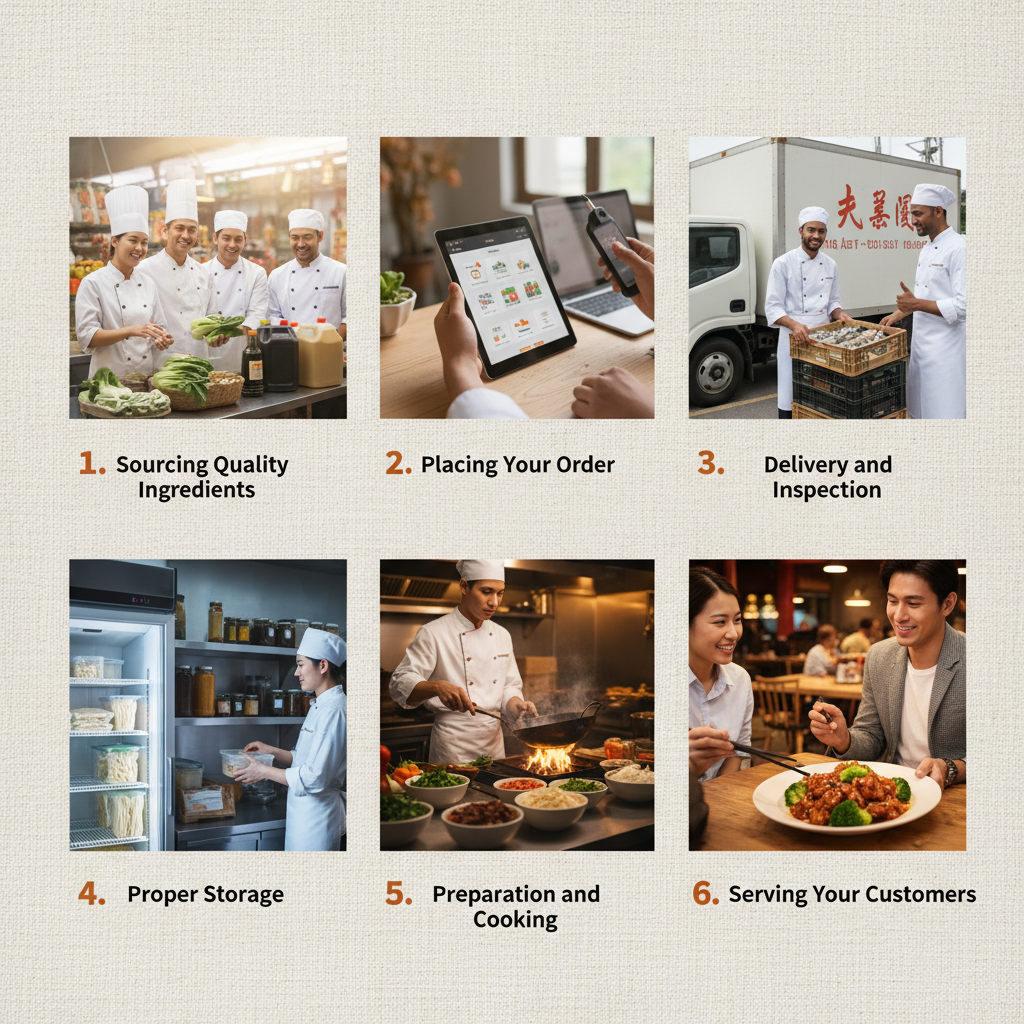
Thirdly, supply chain management plays a vital role. Sourcing high-quality ingredients at competitive prices and ensuring timely delivery are essential for maintaining profitability and meeting customer expectations. This often involves building strong relationships with suppliers and investing in logistics infrastructure.
Real-World Applications & Industry Impact
The applications of snack seasoning manufacturing are incredibly diverse. They aren’t just limited to potato chips and pretzels. You’ll find their expertise in extruded snacks, popcorn, tortilla chips, nuts, seeds, and even meat snacks. In post-disaster relief operations, shelf-stable snacks are often crucial for providing sustenance. Seasoning manufacturers play a role in ensuring these snacks are palatable and provide a much-needed psychological boost to those affected.
In the food service industry, snack seasoning manufacturers provide custom blends for restaurants and catering companies. They’re also heavily involved in the development of new snack products, working closely with food technologists to create innovative flavor combinations and textures. For instance, the increasing popularity of "spicy" snacks is directly linked to the advancements in chili pepper extraction and flavor encapsulation technologies developed by these manufacturers.
Comparison of snack seasoning manufacturers Methods
Advantages & Long-Term Value Proposition
The benefits of partnering with a reliable snack seasoning manufacturer are substantial. Cost savings are significant, as companies can avoid the expense of in-house flavor development and production. But it’s more than just money. A good manufacturer brings expertise, innovation, and a commitment to quality that can elevate your brand.
Long-term, the value lies in the ability to consistently deliver a superior product that resonates with consumers. This builds brand loyalty, drives sales, and creates a competitive advantage. From a sustainability perspective, reputable manufacturers are increasingly focused on ethical sourcing, reducing waste, and minimizing their environmental footprint, aligning with growing consumer demand for responsible products.
Future Trends & Innovation Drivers
Several key trends are shaping the future of snack seasoning manufacturing. Clean label ingredients – natural, recognizable, and minimally processed – are in high demand. This is driving research into plant-based extracts, fermentation techniques, and innovative encapsulation methods.
Digital transformation is also playing a role, with manufacturers adopting AI-powered formulation tools and data analytics to optimize flavor profiles and predict consumer preferences. We're also seeing increased automation in production processes to improve efficiency and reduce labor costs. snack seasoning manufacturers are investing heavily in these technologies to stay ahead of the curve.
Challenges & Mitigation Strategies
Despite the growth potential, snack seasoning manufacturers face several ongoing challenges. Maintaining consistent flavor profiles across different production batches and geographic regions is a constant struggle. Ingredient price volatility, exacerbated by climate change and geopolitical events, poses a significant risk.
To mitigate these risks, manufacturers are implementing robust quality control procedures, diversifying their supplier networks, and investing in advanced analytical technologies. They’re also focusing on developing more stable and versatile seasoning blends that can withstand variations in processing conditions.
Another challenge is meeting the increasing demand for sustainable and ethical sourcing. This requires transparency throughout the supply chain and a commitment to supporting responsible farming practices.
Core Challenges & Mitigation Strategies in snack seasoning manufacturers
| Challenge Area |
Severity (1-10) |
Mitigation Strategy |
Implementation Cost (USD) |
| Supply Chain Disruptions |
8 |
Diversify supplier base, strategic inventory management |
$50,000 - $150,000 |
| Ingredient Price Volatility |
7 |
Long-term contracts, hedging strategies, alternative ingredient research |
$25,000 - $75,000 |
| Maintaining Flavor Consistency |
9 |
Advanced analytical testing, automated blending systems, standardized processes |
$100,000 - $300,000 |
| Meeting Clean Label Demands |
6 |
Research & development of natural ingredients, reformulation of existing blends |
$75,000 - $200,000 |
| Regulatory Compliance |
5 |
Dedicated regulatory affairs team, robust documentation systems, ongoing training |
$30,000 - $100,000 |
| Labor Shortages |
4 |
Automation of production processes, employee training & retention programs |
$150,000 - $400,000 |
FAQS
Reputable snack seasoning manufacturers should hold certifications like HACCP (Hazard Analysis and Critical Control Points), ISO 22000 (Food Safety Management Systems), and potentially organic or kosher certifications depending on their product offerings. These demonstrate a commitment to food safety, quality control, and adherence to industry standards, providing assurance to snack food producers that the seasonings are safe and reliable for use in their products.
Flavor consistency is achieved through a combination of precise formulation, automated blending systems, and rigorous quality control testing. Manufacturers use advanced analytical equipment to measure color, aroma, and taste, ensuring that each batch meets pre-defined specifications. Statistical process control (SPC) is also employed to monitor production parameters and identify potential deviations before they impact flavor quality.
Encapsulation is a technique used to protect volatile flavor compounds from degradation during processing and storage. It involves surrounding the flavor oil or extract with a protective coating, preventing it from evaporating or reacting with other ingredients. This ensures a more consistent and longer-lasting flavor experience for the consumer. Encapsulation is particularly important for seasonings used in extruded snacks or products with long shelf lives.
Allergen control is paramount. Manufacturers implement strict allergen management programs, including dedicated production lines, thorough cleaning procedures, and rigorous testing to prevent cross-contamination. They must clearly label all products with allergen information, such as whether they contain soy, wheat, nuts, or other common allergens. Traceability systems are also vital to quickly identify and isolate any potential allergen-related issues.
There's a huge shift toward natural flavorings derived from plant-based sources, spices, and extracts. Manufacturers are exploring fermentation techniques to create unique and complex flavor profiles without artificial additives. Consumers are also driving demand for clean label ingredients, favoring seasonings with recognizable and minimally processed components.
Lead times vary depending on the complexity of the formulation, ingredient availability, and the manufacturer’s workload. A simple flavor modification might take a few weeks, while developing a completely new and unique blend can take several months. It typically involves multiple rounds of sampling, testing, and refinement to achieve the desired flavor profile and meet the client’s specifications.
Conclusion
In conclusion, snack seasoning manufacturers are the critical, yet often unseen, force driving innovation and excitement in the snack food industry. Their expertise in flavor chemistry, food science, and supply chain management is essential for delivering the delicious and satisfying snacks that consumers crave. Prioritizing quality, customization, and sustainability will be key to success in this dynamic market.
Looking ahead, the future of snack seasoning manufacturing will be shaped by emerging trends like clean label ingredients, digital transformation, and a growing demand for personalized flavor experiences. By embracing these changes and investing in innovation, manufacturers can continue to play a vital role in shaping the future of snacking. To explore a tailored seasoning solution for your next snack product, visit our website: www.indiampopcorn.com.