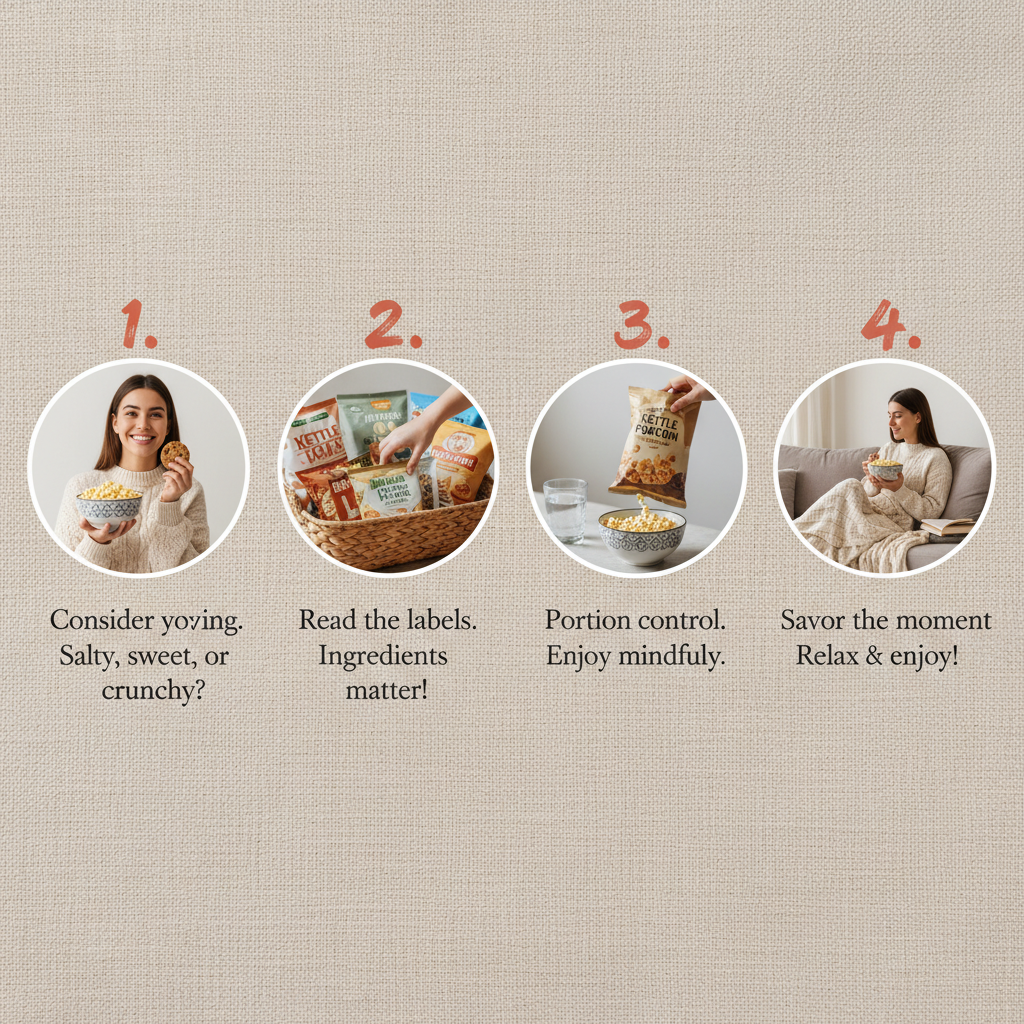
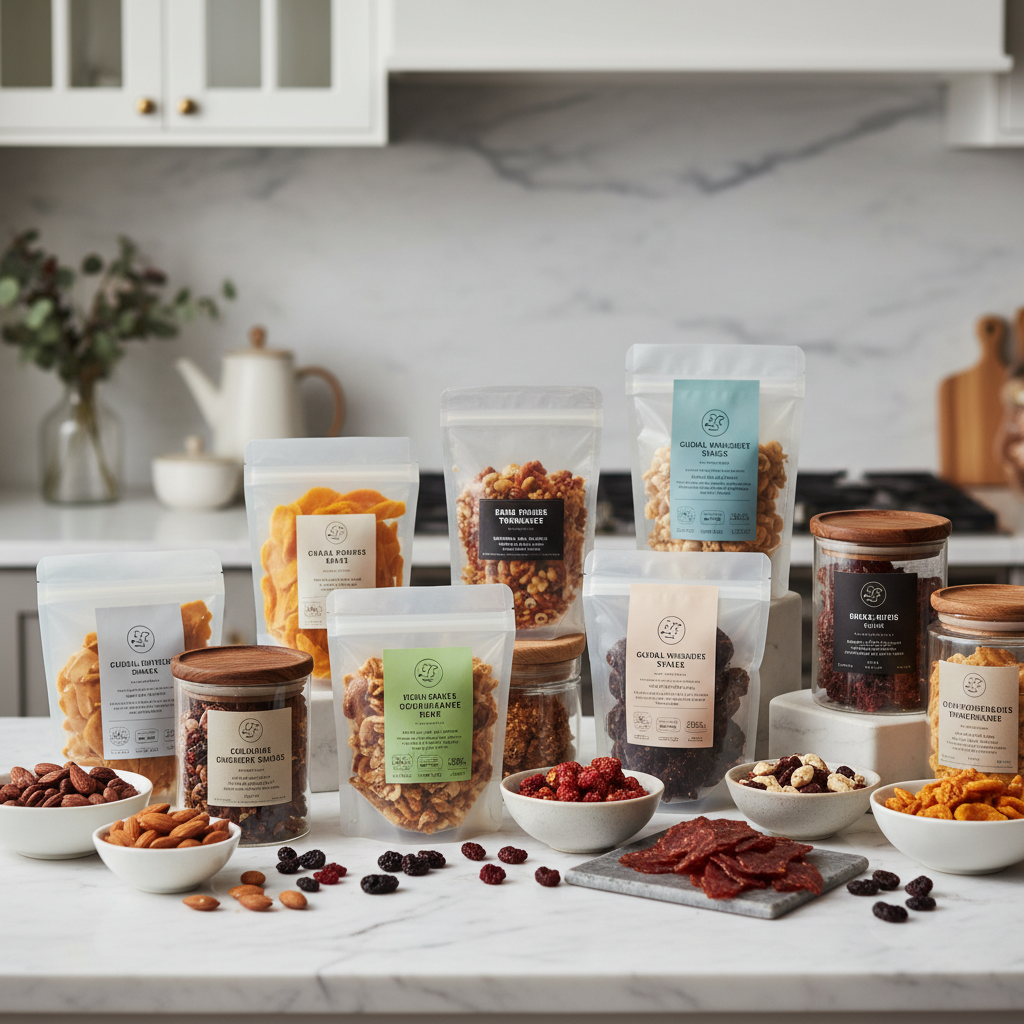
The global landscape of the food industry has witnessed a dramatic shift toward convenience, driving the exponential growth of casual snacks. These bite-sized indulgences are no longer just occasional treats but have become integral parts of the modern diet, bridging the gap between traditional meals and the fast-paced demands of contemporary lifestyles. From the crunch of a perfectly popped kernel to the savory depth of seasoned corn, these products offer a unique blend of sensory satisfaction and immediate energy.
Understanding the dynamics of this sector is crucial for manufacturers and distributors alike, as consumer preferences evolve toward a balance of flavor innovation and nutritional transparency. The ability to scale production while maintaining the artisanal quality of a "home-made" taste is what separates market leaders from the rest. As global trade expands, the demand for diverse flavor profiles—ranging from the sweet allure of caramel to the zesty kick of salt and lemon—continues to drive industrial innovation.
Ultimately, the success of casual snacks lies in their versatility and emotional connection. Whether it is a movie night with popcorn or a quick office break with soft corn, these products evoke comfort and joy. By analyzing the intersection of food science and consumer psychology, we can uncover how to create snacks that not only satisfy hunger but also enhance the overall snacking experience across different cultural demographics.
Global Market Dynamics of Casual Snacks
The global market for casual snacks has seen a steady climb, with reports suggesting a compound annual growth rate (CAGR) that reflects the urbanizing population's need for "on-the-go" food solutions. Data from international trade bodies indicate that the expansion of the middle class in Asia and Africa has created a massive vacuum for affordable, tasty, and shelf-stable extruded snacks, turning a simple habit into a multi-billion dollar industry.
However, this growth comes with the challenge of meeting stricter health regulations. The industry is currently pivoting from high-sodium, high-fat profiles to "better-for-you" options. Manufacturers are now integrating air-popping technologies and natural seasonings to ensure that their products remain competitive while adhering to ISO safety standards and evolving consumer health consciousness.
Defining the Modern Snacking Experience
In simple terms, casual snacks are defined as prepared food items consumed between traditional meals, characterized by their convenience, flavor intensity, and ease of consumption. Unlike meal replacements, these snacks are designed for immediate gratification and sensory pleasure, often utilizing extrusion and popping processes to create light, airy textures that are highly appealing to all age groups.
Beyond the food itself, modern snacking is closely linked to the "snackification" of the diet—a sociological trend where structured meals are replaced by smaller, more frequent eating episodes. This shift is driven by the digital economy and remote work, where the boundaries between professional and personal time blur, making a bag of Pop Balls or Caramel Popcorn the perfect companion for a focused work session or a relaxing break.
From a humanitarian and industrial perspective, the development of these snacks focuses on nutrient density and shelf stability. By optimizing the expansion ratio of corn and other grains, manufacturers can provide calorie-efficient options that are easy to transport and store in various climates, making them essential in both commercial retail and large-scale food distribution networks.
Core Components of High-Quality Puffed Foods
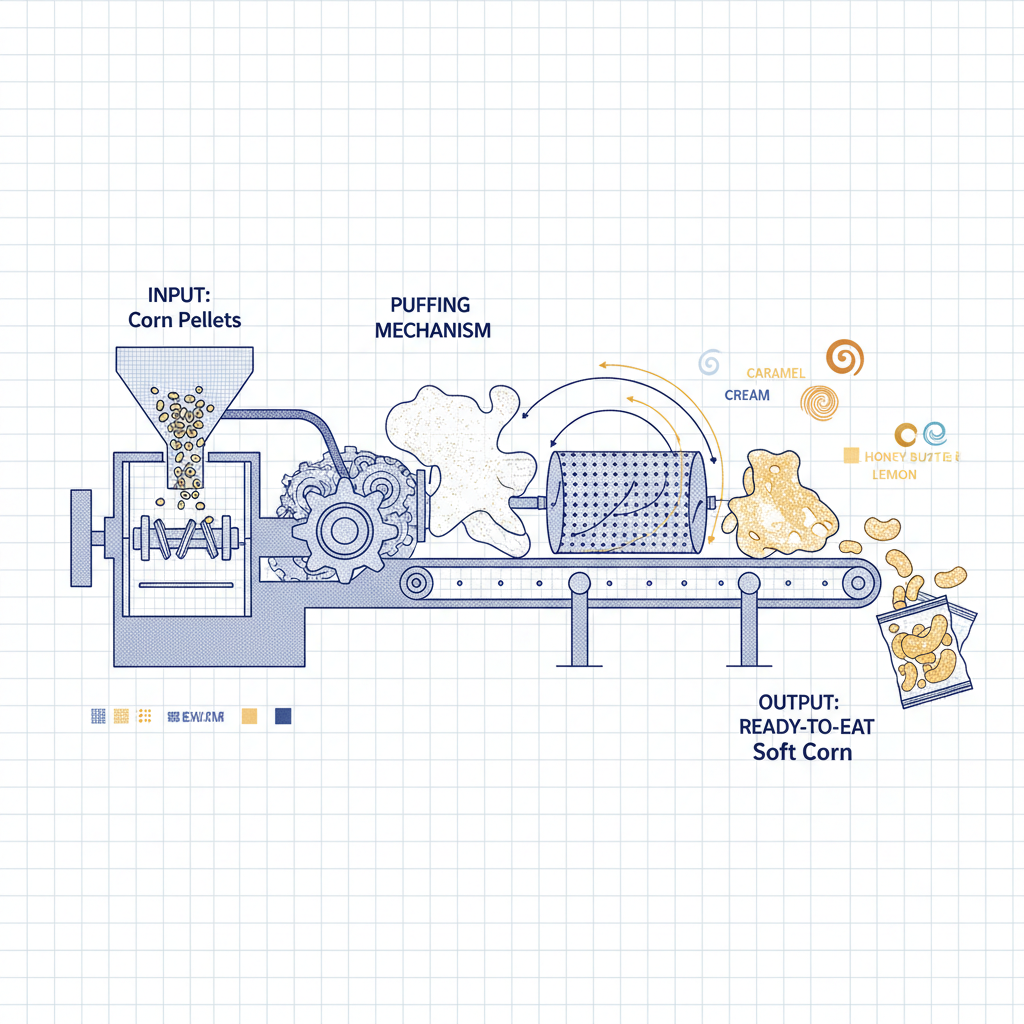
The structural integrity of casual snacks depends heavily on the quality of the raw materials and the precision of the popping process. The moisture content of the corn kernels must be meticulously controlled to ensure a consistent "pop," which creates the desired airy cellular structure that defines the mouthfeel of products like Popcorn and Soft Corn.
Flavor scalability is another critical factor. The ability to uniformly apply seasonings—such as Honey Butter or Cream flavor—without compromising the crunch of the snack is a technical challenge. Advanced vacuum coating and tumbling technologies are employed to ensure that every single piece of the snack carries a consistent taste profile, preventing "flavor pockets" and ensuring quality control.
Finally, packaging durability plays a vital role in maintaining the freshness of casual snacks. Using nitrogen-flushed bags and high-barrier films prevents oxidation and moisture ingress, which would otherwise lead to staleness. This technical synergy between food chemistry and packaging science ensures that the consumer experiences the same crunch and flavor whether the product was made yesterday or three months ago.
Comparative Performance of Popular Snack Varieties
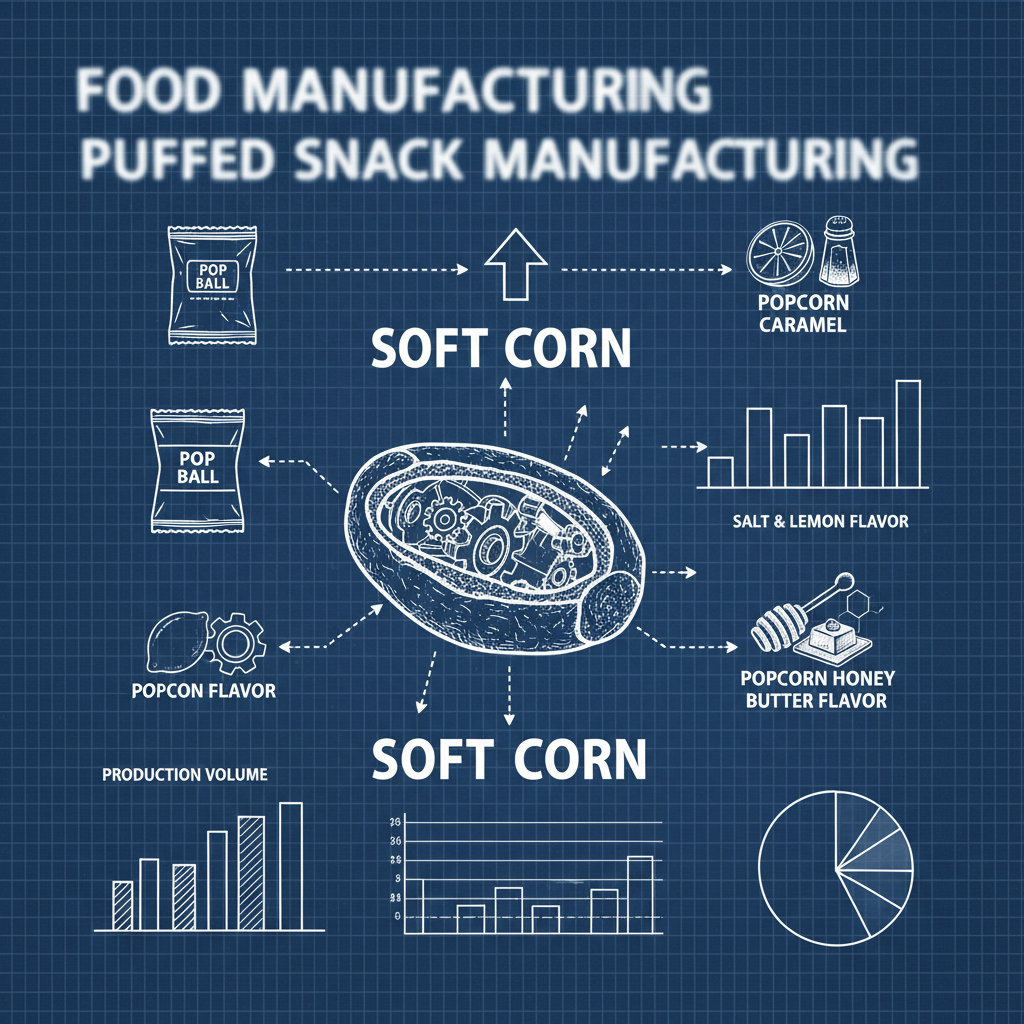
Different types of casual snacks cater to different sensory preferences and consumption occasions. For instance, Caramel Popcorn is often viewed as a premium indulgence, whereas Salt & Lemon flavors are positioned as refreshing, savory options for social gatherings. The "Pop Ball" variety offers a more consistent, rounded shape that is ideal for children's snacks and automated vending machines.
To understand the market positioning, we analyze various metrics such as crunchiness, flavor intensity, and general consumer satisfaction. This allows manufacturers to fine-tune their recipes, ensuring that the Honey Butter flavor hits the right balance of sweetness and saltiness, and that the Soft Corn maintains its signature tender-yet-firm texture.
Consumer Preference Rating for Various Casual Snacks
Global Applications and Consumer Use Cases
The application of casual snacks extends far beyond the retail shelf. In the entertainment industry, cinema-style popcorn is a cultural staple, where the aroma of butter is used as a sensory trigger to stimulate appetite. In the education sector, small portions of Pop Balls or Soft Corn are often used in school lunch programs because they provide a quick source of energy and are easy for children to handle.
Furthermore, in remote industrial zones or during travel, these snacks serve as essential convenience foods. Their lightweight nature and high caloric value make them ideal for long-haul flights, train journeys, and road trips. In some regions, seasoned corn snacks are even integrated into social gifting cultures, where premium-packaged caramel or cream flavors are given during festive seasons as a token of affection.
Long-term Value and Sustainability in Snacking
The long-term value of investing in high-quality casual snacks lies in the ability to build brand loyalty through consistency. Consumers don't just buy a snack; they buy a reliable sensory experience. When a brand consistently delivers the same level of crunch and a precise flavor balance in every bag of Caramel Popcorn, it builds a deep sense of trust and reliability.
Sustainability is now becoming a core pillar of the industry. Many manufacturers are transitioning to biodegradable packaging to reduce the environmental footprint of single-use plastics. Additionally, there is a movement toward sourcing non-GMO corn and implementing solar-powered extrusion lines, ensuring that the joy of snacking does not come at the cost of the planet.
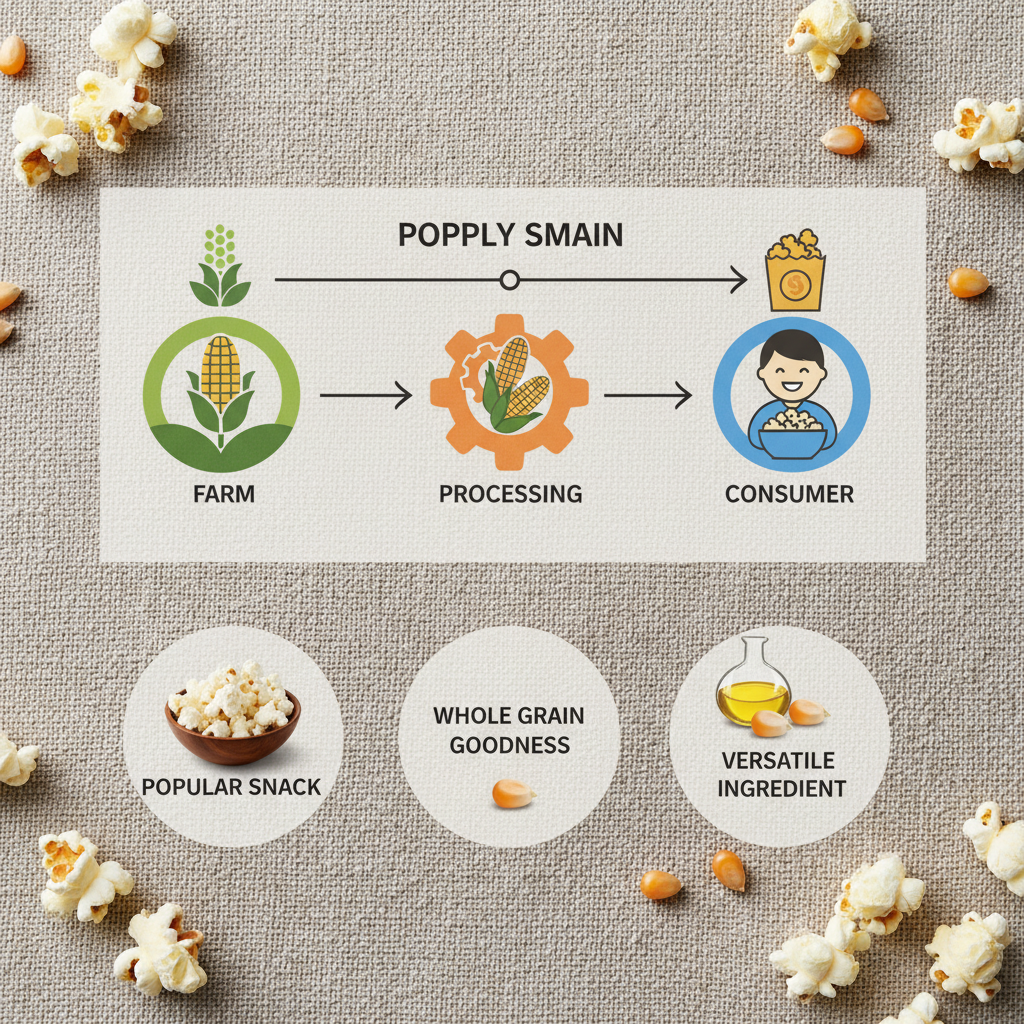
Moreover, the social impact of the snacking industry is significant. By partnering with local farmers for corn procurement, large-scale snack manufacturers can stabilize rural economies and promote fair trade practices. This ethical approach adds an emotional layer to the product, where consumers feel that their choice of casual snacks supports a larger, positive global ecosystem.
Future Innovations in Puffed Snack Technology
The future of casual snacks is being shaped by the convergence of AI and food science. Automated sensory analysis systems can now predict flavor trends by analyzing millions of social media data points, allowing companies to develop the next "viral" flavor—perhaps a fusion of traditional spices and modern sweetness—long before the consumer even knows they want it.
Digital transformation is also hitting the factory floor. IoT-enabled extrusion machines can now adjust temperature and pressure in real-time to maintain the perfect expansion of the corn, reducing waste and increasing yield. This level of precision ensures that every batch of Popcorn Cream Flavor is identical, regardless of external environmental changes like humidity or ambient temperature.
We are also seeing a rise in "functional snacking," where casual snacks are fortified with proteins, vitamins, or probiotics. The goal is to transform the perception of the snack from a "guilty pleasure" to a "nutritional boost," blending the addictive crunch of puffed corn with the health benefits of superfoods.
Comparative Analysis of Puffed Snack Production Technologies
| Technology Type |
Texture Profile |
Production Efficiency |
Market Positioning |
| Air Popping |
Light & Airy |
Medium |
Health-Conscious |
| High-Pressure Extrusion |
Dense & Crunchy |
Very High |
Mass Market |
| Vacuum Frying |
Crispy & Rich |
Low |
Premium Gourmet |
| Direct Heating |
Traditional Pop |
Medium |
Cinema/Home Style |
| Cold Pressing |
Tender & Soft |
Medium |
Niche Soft Corn |
| Hybrid Popping |
Balanced Crunch |
High |
Innovative Fusion |
FAQS
Professional manufacturing utilizes industrial extruders and controlled popping environments that ensure a consistent expansion ratio and texture. Unlike homemade snacks, industrial casual snacks employ vacuum seasoning and nitrogen-flushed packaging, which prevents oxidation and ensures a long shelf life without compromising the flavor or crunch.
Depending on the barrier properties of the packaging and the moisture content of the product, most commercial casual snacks can stay fresh for 6 to 12 months. The use of aluminum-lined bags and nitrogen filling is key to preventing the fats in flavors like Honey Butter or Caramel from going rancid.
Yes, the industry is shifting toward air-popping and oven-baking instead of deep-frying. Many modern casual snacks now use natural sweeteners, reduced sodium, and non-GMO corn to appeal to health-conscious consumers while maintaining the satisfying crunch they crave.
Importing requires strict adherence to the target country's food safety standards (such as FDA or EFSA). It is recommended to work with a manufacturer that holds ISO and HACCP certifications. Ensuring that the packaging is robust enough for sea freight and that all ingredient labels are translated and compliant is crucial for a smooth customs process.
Consistency is achieved through the use of automated seasoning drums and precision weighing systems. By applying the flavor in a controlled tumble, the casual snacks receive an even coating, preventing some pieces from being overly salty while others remain bland.
Absolutely. Most large-scale manufacturers offer OEM services where they can adjust the flavor profile (e.g., adjusting the sweetness of Caramel) and create custom packaging designs to align with a private label's brand identity and target market.
Conclusion
The evolution of casual snacks from simple corn pops to a sophisticated global industry reflects the broader trends of convenience, innovation, and health consciousness. By combining advanced popping technologies with creative flavor profiles like Honey Butter and Salt & Lemon, manufacturers have successfully created products that provide both emotional comfort and physical satisfaction. The synergy of quality raw materials, precise industrial processes, and sustainable packaging ensures that these snacks remain a staple of the modern diet.
Looking forward, the integration of AI-driven flavor development and functional nutrition will likely redefine the snacking experience, moving it toward a more personalized and health-centric model. For businesses and consumers alike, the key to success lies in balancing the timeless appeal of a great crunch with the modern demand for transparency and sustainability. We invite you to explore the future of taste and texture by visiting our website: www.indiampopcorn.com