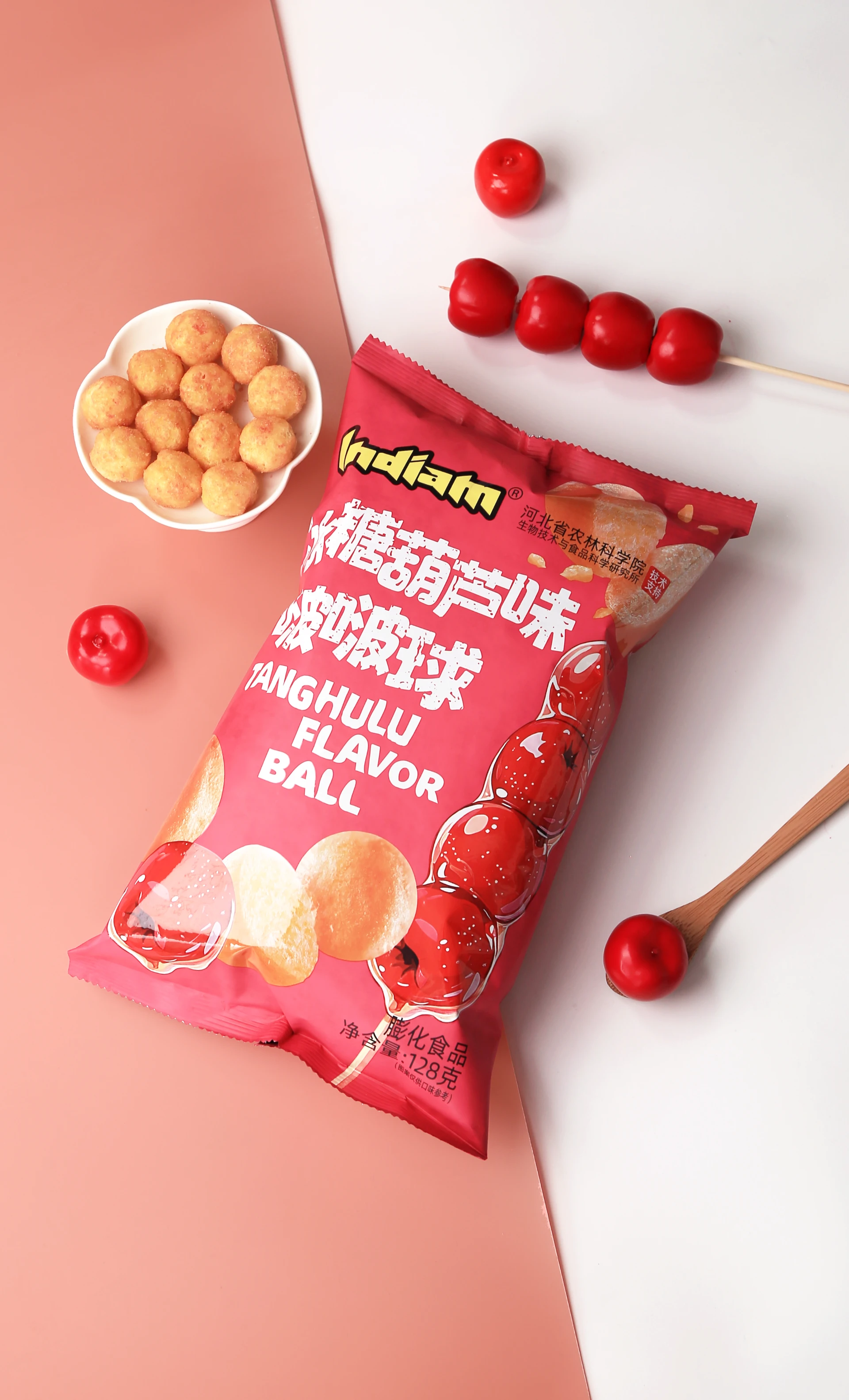


Healthy Sweet Alternatives: Your Guide to Smarter, Tastier Choices
Understanding Healthy Sweet Alternatives: A Global Perspective
If you’ve ever craved something sweet yet felt guilty afterward, you’re not alone. The rise in interest around healthy sweet alternatives is more than a passing fad — it’s a significant shift in how we approach nutrition worldwide. From tackling global obesity rates to managing diabetes, these alternatives represent a new wave in food innovation and health consciousness.
Why does it matter? Over 422 million adults around the globe live with diabetes, according to the World Health Organization, and excessive sugar intake is a key offender in this epidemic. At the same time, there's a strong push globally—supported by bodies like the United Nations and ISO standards committees—to reduce sugar consumption, promote sustainability in food production, and ensure products meet stringent health criteria. Healthy sweet alternatives fit squarely in this landscape by offering options that satisfy sugary cravings while prioritizing wellbeing.
Mini takeaway: Healthy sweet alternatives are not just trendy—they answer a global health and sustainability challenge by rethinking sweetness with benefits in mind.
What Exactly Are Healthy Sweet Alternatives?
Put simply, healthy sweet alternatives are any sweeteners or sweet food products formulated to reduce or replace sugar’s negative impact on our bodies. These often include natural or artificial ingredients that provide the familiar sweetness of sugar but with fewer calories, lower glycemic response, or added nutritional value.
What makes them “healthy”? It usually comes down to their ability to:
- Maintain blood sugar levels better than conventional sugar
- Provide minimal to zero calories
- Support gut health or contain added nutrients
- Be sourced sustainably with low environmental footprints
In industry terms, these alternatives are increasingly integrated into food manufacturing, hospitality, health sectors, and humanitarian food aid—areas where managing nutrition without sacrificing taste is both a medical and moral imperative.
Mini takeaway: Healthy sweet alternatives replace traditional sugar with options that are kinder to our bodies and often kinder to the planet too.
Key Features of Healthy Sweet Alternatives
1. Nutritional Profile
Unlike regular sugar, these alternatives vary widely—from non-caloric sweeteners like stevia to fiber-based ones such as inulin—that might even promote digestive health.
2. Glycemic Impact
Their influence on blood glucose levels is crucial. Many healthy sweeteners cause little to no spike, catering especially to diabetics or those on low-carb diets.
3. Taste and Texture
A major hurdle is replicating sugar’s sweet taste and mouthfeel. Some alternatives add bitter or cooling notes, which food scientists have to balance carefully in recipes.
4. Sustainability and Sourcing
More companies now prioritize sweeteners produced with environmentally conscious methods—like organic cultivation or regenerative farming—that meet international sustainability standards.
5. Regulatory Compliance
Since these ingredients are increasingly novel, they must pass rigorous food safety tests and comply with FDA or EFSA guidelines before reaching consumers.
Mini takeaway: These core components dictate not only consumer acceptance but also regulatory success and environmental impact.
Where Are Healthy Sweet Alternatives Making a Difference?
Worldwide, the demand spans from high-end confectionery makers in Europe pushing clean label trends to humanitarian organizations aiming to provide better nutrition in crisis zones. Examples include:
- North America: Food startups innovating with monk fruit and erythritol to create low-calorie beverages.
- Asia: Traditional sweets are being reformulated with jaggery substitutes and natural syrups that retain cultural identity with fewer sugars.
- Sub-Saharan Africa: Relief agencies incorporating fortified sweet snacks sweetened with alternative sweeteners into malnutrition treatment protocols.
Oddly enough, in places considered remote or resource-scarce, healthy sweet alternatives also find their place—in post-disaster relief where shelf-stability and minimal processing are important, or in institutional food services managing chronic diet-related illnesses.
Mini takeaway: These alternatives bridge diverse needs, offering better health in vibrant industries and critical care environments alike.
Advantages & Long-Term Value of Switching
- Health Benefits: Reduced risk of obesity, diabetes, and dental decay.
- Sustainability: Lower resource use and often renewable sourcing.
- Consumer Trust and Innovation: Brands that embrace transparency and health-forward reformulations cultivate stronger loyalty.
- Economic Efficiency: Some sugar substitutes cost less in the long run due to reduced health costs and smaller required doses.
From an emotional perspective, consumers feel empowered and safer choosing products that don’t compromise their wellbeing. It’s that dignity in eating healthier—which frankly, doesn’t hurt anyone.
Product Specification Table: Sample Healthy Sweet Alternatives
| Product | Calories (per 100g) | Glycemic Index | Source | Taste profile |
|---|---|---|---|---|
| Stevia Extract | 0 | 0 | Plant-based (Stevia rebaudiana) | Sweet with mild licorice aftertaste |
| Erythritol | 20 | 0 | Fermented plant sugars | Clean sweet taste, cooling sensation |
| Yacon Syrup | 150 | 1 | Tuberous roots native to South America | Sweet, molasses-like flavor |
Comparing Leading Vendors of Healthy Sweet Alternatives
| Vendor | Product Range | Target Markets | Sustainability | Certifications |
|---|---|---|---|---|
| SweetLeaf Naturals | Stevia extract, blended sweeteners | Food & Beverage, Health Retail | Organic, Rainforest Alliance | USDA Organic, Non-GMO Project |
| PureErythro Solutions | Erythritol powders and liquids | Confectionery, Beverages | Renewable fermentation tech | GRAS, Kosher Certified |
| Yuca Sweet Farms | Yacon syrup, dried roots | Nutraceuticals, Functional Foods | Fairtrade, Local cooperatives | Organic Certified, Fairtrade |
Looking Toward the Future: What's Next in Healthy Sweet Alternatives?
The innovation pipeline is bursting. Scientists are exploring CRISPR-modified sweeteners with even lower calorie footprints and natural flavor-masking agents to perfect taste. On the sustainability front, circular economy principles are rewriting how raw materials are sourced and waste is managed in production.
AI-driven product formulation is speeding up development cycles, enabling food makers to rapidly test combinations for optimal sweetness and digestibility. Policies globally are also evolving—like the WHO sugar taxation guidelines—nudging industries toward these alternatives faster than ever.
Frankly, it feels like the landscape is primed for a sweet renaissance, where indulgence and health are less often opposing choices.
Challenges Still on the Plate (Pun Intended)
No innovation journey is without bumps. Some healthy sweet alternatives struggle with aftertastes or require blending with bulking agents to mimic sugar’s texture, complicating recipe standardization. Others face supply chain bottlenecks or high costs that keep prices above consumer reach.
Regulatory hurdles can delay market entry, especially in regions with less established food safety frameworks. Despite these, many manufacturers have found success by investing in R&D to refine sweetener blends and educate consumers on benefits.
Frequently Asked Questions About Healthy Sweet Alternatives
- Q: Are all healthy sweet alternatives safe for diabetics?
A: Most approved sweeteners like stevia and erythritol have minimal impact on blood sugar, making them suitable for diabetics. However, always consult healthcare providers as responses can vary. - Q: How do healthy sweet alternatives compare price-wise to sugar?
A: Initial costs may be higher due to processing, but they often require smaller amounts, potentially balancing the price. Bulk purchasing and scaling production continue to drive costs down. - Q: Do these sweeteners have side effects?
A: Some sugar alcohols may cause digestive discomfort in large quantities, so moderation is key. Natural plant-based sweeteners tend to have fewer side effects. - Q: Can I cook or bake with healthy sweet alternatives?
A: Yes, though some sweeteners behave differently under heat—testing recipes beforehand is recommended for best texture and flavor.
Final Thoughts: Sweetness Reimagined for a Healthier Tomorrow
Exploring healthy sweet alternatives feels like stepping into a world where taste meets care for body and planet. Their adoption spans kitchens, boardrooms, and aid kitchens alike. The benefits—ranging from lower disease risk to environmental protection—underscore a wider global trend of mindful consumption.
Interested in making healthier, tastier choices? Visit our website for more insights and products that fit your lifestyle: healthy sweet alternatives.
References:
Post time: Nov . 28, 2025 19:55