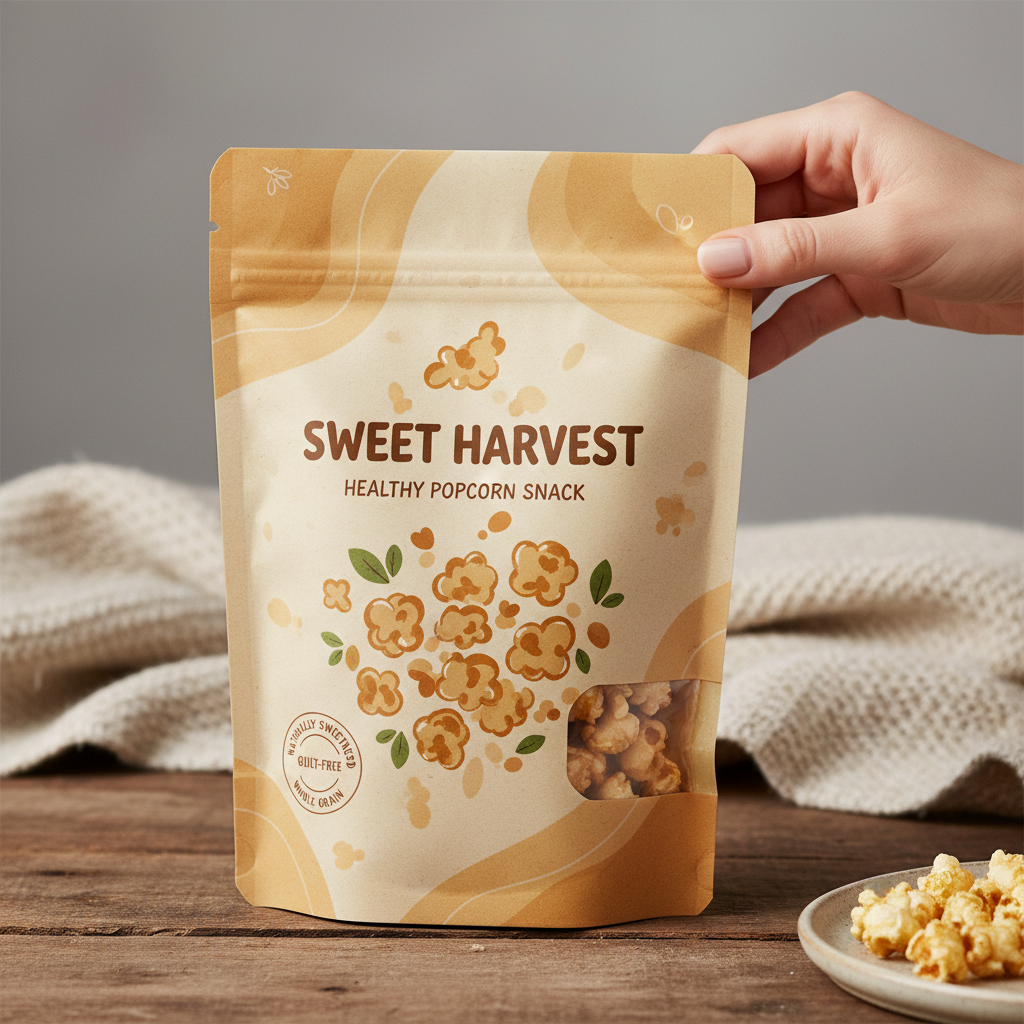
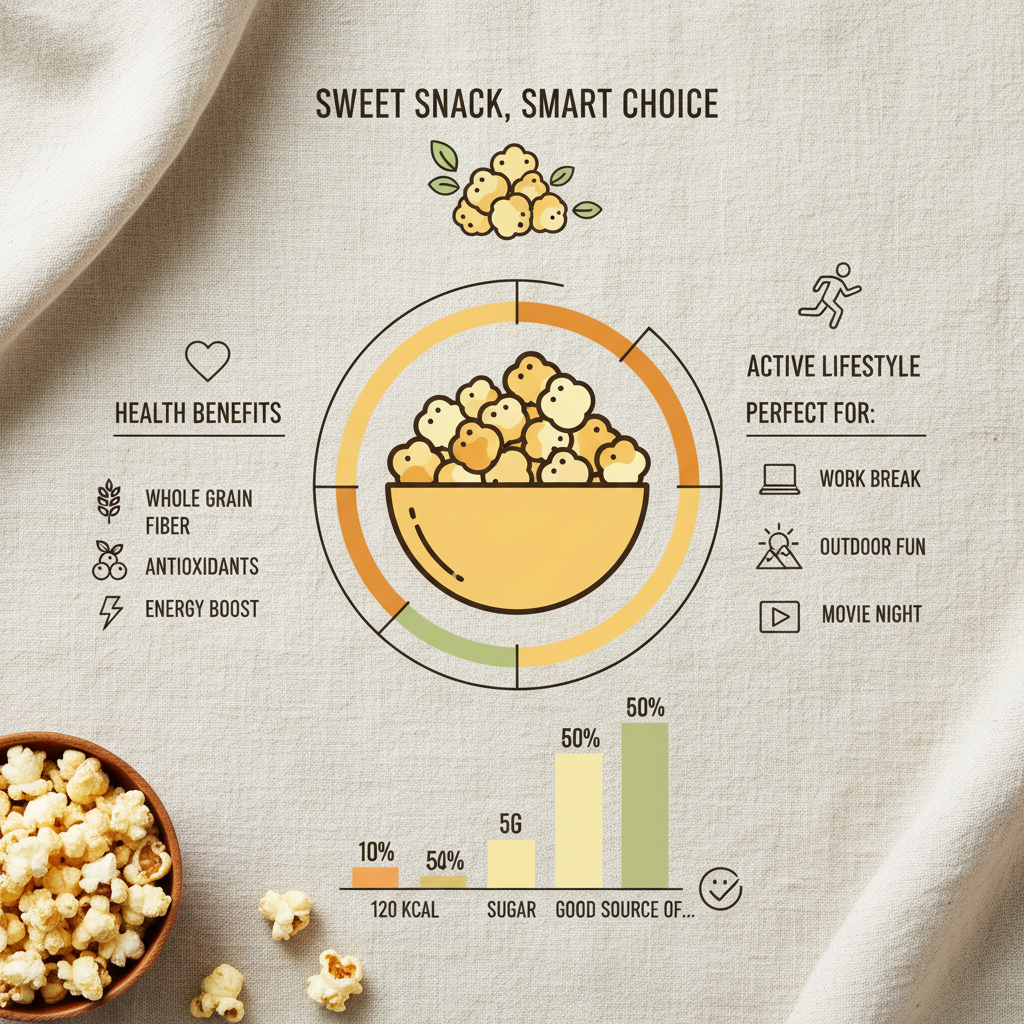
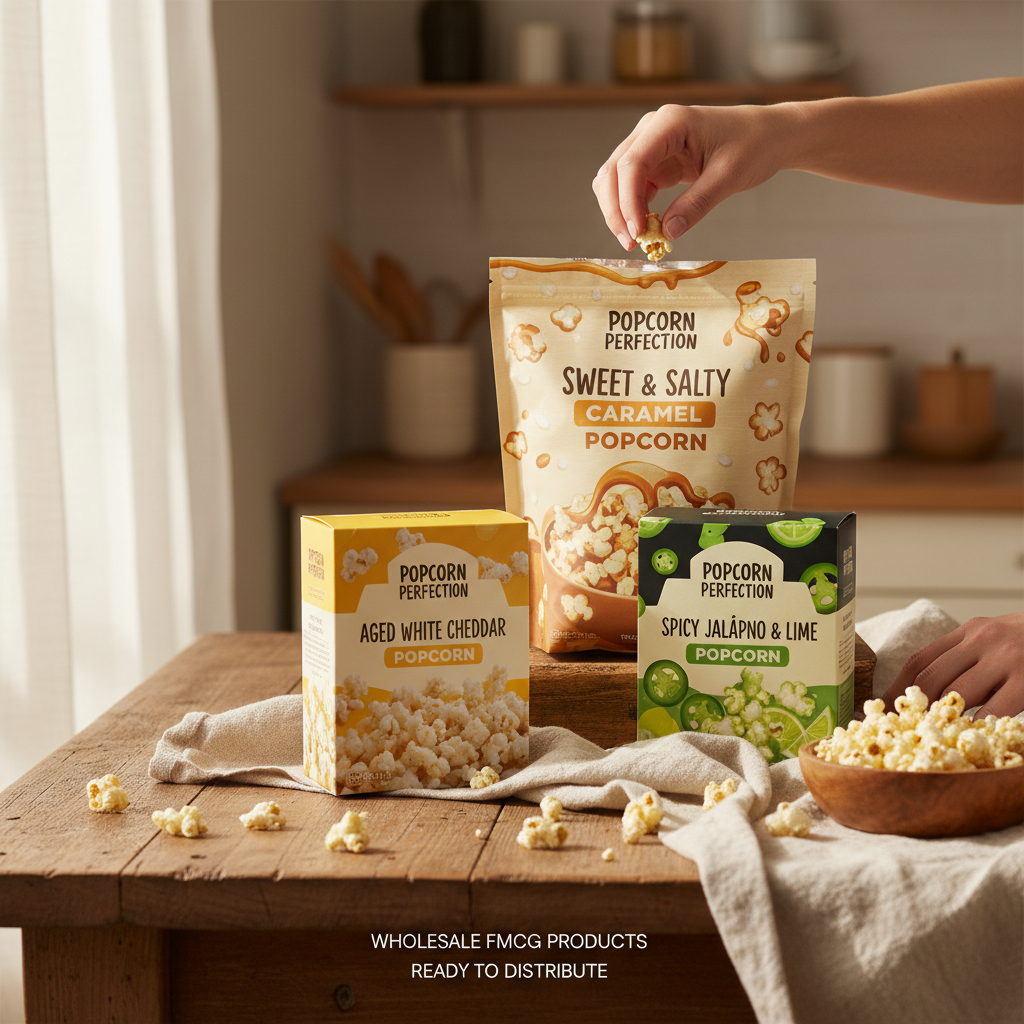
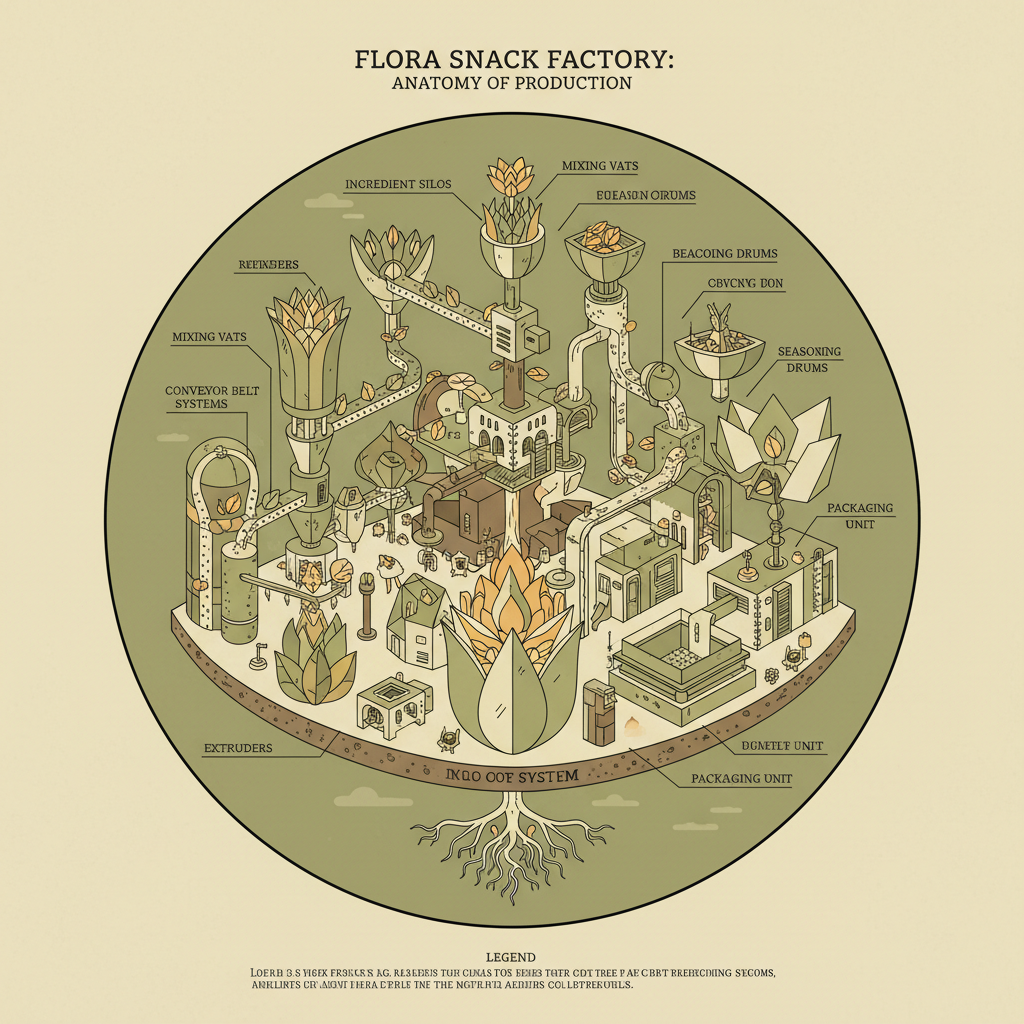
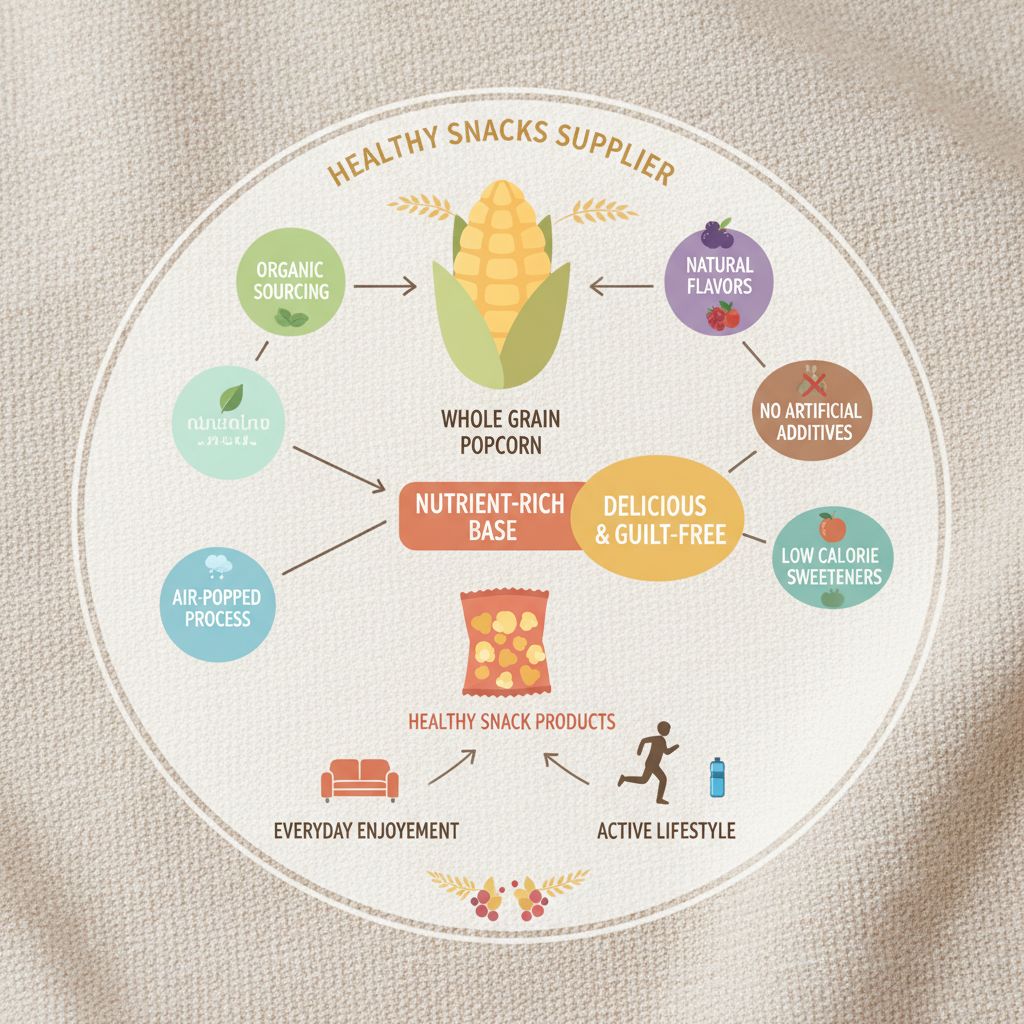
Finding the perfect balance between indulgence and wellness has become a primary goal for modern consumers worldwide. The quest for a healthy sweet snack is no longer just about reducing calories, but about enhancing the nutritional profile of the treats we enjoy daily. By integrating whole grains and natural sweeteners, the snack industry is redefining how we perceive "sweetness" in a commercial context.
In the global food manufacturing landscape, the shift toward functional snacking is driven by an increasing awareness of metabolic health and the desire for clean-label ingredients. Whether it is the crunch of a Pop Ball or the rich glaze of Caramel Popcorn, the objective is to maintain a gourmet experience while minimizing processed sugars and artificial additives. This transition reflects a broader societal movement toward mindful eating.
Understanding the mechanics of what constitutes a healthy sweet snack allows both manufacturers and consumers to make informed choices. From the selection of non-GMO corn to the implementation of air-popping technologies, every step in the production process contributes to the final nutritional value. This comprehensive guide explores the intersection of taste, health, and industrial innovation in the world of expanded snacks.
The Global Evolution of Healthy Snacking
The global appetite for snacks has undergone a seismic shift over the last decade. Historically, sweetness in the snack aisle was synonymous with high-fructose corn syrup and artificial dyes. However, data from global health organizations suggests a sharp increase in lifestyle-related metabolic disorders, prompting a demand for alternatives. Consequently, the industry has pivoted toward creating a healthy sweet snack that satisfies cravings without compromising physiological well-being.
This evolution is particularly evident in the expanded foods sector, where products like Honey Butter Popcorn and Soft Corn are being reformulated. By leveraging natural sweeteners such as stevia, monk fruit, or organic honey, manufacturers are now able to deliver the desired flavor profile while maintaining a lower glycemic index. This transition represents a marriage between culinary art and nutritional science, ensuring that global consumers can enjoy sweetness sustainably.
Defining the Standard for a Healthy Sweet Snack
At its core, a healthy sweet snack is defined as a food product that provides a satisfactory sensory experience of sweetness while offering a balanced ratio of macronutrients, such as fiber, healthy fats, and controlled sugars. Unlike traditional confectionery, which often provides "empty calories," a nutritionally optimized snack utilizes base ingredients—like whole-grain corn in Popcorn—that provide essential energy and satiety.
In the context of modern food manufacturing, this definition extends to "Clean Label" principles. This means the absence of synthetic preservatives, artificial colors, and hydrogenated oils. For instance, a Popcorn Cream Flavor snack is considered healthy when the creaminess comes from natural dairy or plant-based alternatives rather than chemical emulsifiers, ensuring the product remains digestible and transparent in its sourcing.
Furthermore, the connection to humanitarian and public health needs is significant. In regions battling rising obesity rates, providing accessible, low-calorie, yet tasty options is a critical strategy. By redefining the sweet snack as a source of fiber and energy rather than just a treat, the industry helps bridge the gap between strict dietary requirements and the natural human desire for sweet flavors.
Core Components of Nutritional Value
The first pillar of a healthy sweet snack is the quality of the base substrate. In expanded snacks, the use of non-GMO, whole-kernel corn ensures that the final product retains a significant amount of dietary fiber. Fiber is essential for slowing the absorption of sugars into the bloodstream, preventing the sharp insulin spikes associated with traditional candy.
Secondly, the nature of the seasoning and glaze determines the overall health profile. Instead of refined white sugar, the use of honey, maple syrup, or natural fruit concentrates in flavors like Popcorn Honey Butter allows for a more complex taste profile and a more natural sweetness. This approach reduces the chemical load on the body while enhancing the antioxidant properties of the snack.
Finally, the processing method plays a vital role. Air-popping or controlled extrusion is far superior to deep-frying. By eliminating trans fats and reducing saturated oil intake, manufacturers can ensure that the caloric density remains manageable. This technical precision ensures that the snack remains light and crisp, embodying the essence of a guilt-free treat.
Comparative Analysis of Snack Varieties
To understand the efficacy of various formulations, it is helpful to compare how different flavor profiles and base materials impact the nutritional score. While all options in the expanded corn category offer a better alternative to processed cakes, some excel more than others in specific health metrics such as glycemic load or satiety.
For example, the Salt & Lemon Flavor provides a refreshing contrast that often requires less sugar to taste "complete," whereas a Caramel Flavor requires careful balancing of sugars to remain within the "healthy" threshold. The following data illustrates the perceived health and taste balance across our primary product lines.
Nutritional Balance Ratings for Healthy Sweet Snack Options
Industrial Applications and Market Reach
The application of a healthy sweet snack extends far beyond the local convenience store. In corporate wellness programs, these snacks are being introduced in breakrooms to replace vending machine candies, providing employees with a steady energy source that prevents the "afternoon slump" caused by sugar crashes.
On a larger scale, these products are increasingly vital in educational environments. Schools are adopting healthier popcorn-based alternatives to provide children with a treat that satisfies their sweet tooth while delivering the fiber necessary for cognitive function and digestion. This widespread adoption is fueling a surge in B2B demand for large-scale, high-quality expanded food production.
Long-term Value of Better-for-You Treats
Investing in healthy snacking options yields tangible long-term benefits for both the consumer and the brand. For the individual, the transition to better-for-you options reduces the risk of chronic inflammation and weight gain, fostering a healthier relationship with food. The emotional benefit is equally significant; consumers feel a sense of dignity and empowerment when they can enjoy a sweet treat without the accompanying guilt.
From a commercial perspective, brands that prioritize nutrition build enduring trust. In an era of extreme transparency, where consumers read every ingredient on the back of the pack, honesty in formulation is the ultimate competitive advantage. A commitment to using real honey or natural cream flavors creates a loyal customer base that values quality over cheap fillers.
Moreover, the sustainability of these snacks often exceeds that of traditional confectionery. Corn-based snacks typically have a lower environmental footprint than palm-oil-heavy chocolates or synthetic candies. This alignment with eco-conscious values adds a layer of social impact, making the snack not only healthy for the body but also responsible toward the planet.
Future Trends in Expanded Food Tech
The future of a healthy sweet snack lies in the integration of biotechnology and precision nutrition. We are seeing a move toward "fortified expansion," where popcorn and pop balls are infused with plant-based proteins or omega-3 fatty acids during the extrusion process. This transforms a simple snack into a functional food capable of supporting specific health goals.
Automation and digital transformation are also refining the production process. AI-driven flavor profiling is allowing manufacturers to reduce sugar content further by identifying the exact aromatic compounds that trick the brain into perceiving sweetness. This means we can achieve the same deliciousness in Caramel or Honey Butter flavors with significantly fewer calories.
Sustainability will remain the driving force, with a shift toward regenerative agriculture for corn sourcing. As the industry moves toward carbon-neutral manufacturing, the "healthy" aspect of the snack will encompass the entire lifecycle—from the soil to the biodegradable packaging.
Analysis of Future Innovation Dimensions in Healthy Sweet Snacks
| Innovation Pillar |
Technical Approach |
Health Impact |
Market Potential |
| Natural Sweeteners |
Allulose & Monk Fruit |
Zero Glycemic Spike |
Very High |
| Protein Fortification |
Pea Protein Infusion |
Increased Satiety |
High |
| Eco-Packaging |
Compostable PLA Films |
Reduced Microplastics |
Medium-High |
| Precision Popping |
Infrared Heating |
Preserved Nutrients |
Medium |
| Functional Coatings |
Probiotic Glazes |
Gut Health Support |
High |
| Regenerative Corn |
No-Till Farming |
Purer Raw Materials |
Very High |
FAQS
A snack is considered healthy when it replaces refined sugars with natural alternatives, maintains a high fiber content (like our whole-grain popcorn), and avoids synthetic additives. The goal is to provide a balance of macronutrients that satisfies cravings without causing a drastic blood sugar spike, making it a sustainable choice for daily consumption.
It depends on the formulation. Traditional caramel popcorn is often loaded with butter and corn syrup. However, our healthy version uses natural sweeteners and air-popping techniques to keep calories in check while preserving the rich taste. When the sugar is moderated and the base is whole-grain, it becomes a viable healthier alternative to candy.
Yes, because of the high volume and fiber content of expanded corn products. Snacks like Pop Balls or Soft Corn provide a feeling of fullness (satiety) more effectively than dense sweets like chocolate or cookies. By controlling the portion and the sugar type, you can satisfy a sweet craving while consuming fewer calories.
Our commitment to a healthy sweet snack means we prioritize natural flavor extracts. For example, our Cream and Honey Butter flavors are derived from real ingredients rather than synthetic chemical compounds, ensuring a cleaner taste and a safer profile for children and health-conscious adults.
Since we minimize artificial preservatives, we recommend storing your snacks in an airtight container in a cool, dry place. Proper sealing prevents moisture from entering, which is the main enemy of the "crunch" in popcorn and pop balls, ensuring they stay delicious and healthy until the last bite.
Absolutely. We specialize in high-quality, export-grade expanded snacks that meet international food safety standards. Our products are designed for long shelf-life stability through natural means, making them ideal for global distribution to health-conscious markets.
Conclusion
In summary, the transition toward a healthy sweet snack is a reflection of a global commitment to better health without sacrificing the joy of eating. By focusing on whole-grain bases, natural sweeteners, and innovative production methods, the expanded food industry has proven that treats like Popcorn and Pop Balls can be both indulgent and nutritious. The integration of fiber, the removal of trans fats, and the adoption of clean-label standards are the cornerstones of this new era of snacking.
Looking forward, the synergy between food technology and nutritional science will continue to push the boundaries of what we consider a "treat." We encourage consumers and distributors alike to prioritize transparency and ingredient quality. As we move toward a more health-conscious future, choosing snacks that support the body's needs while delighting the palate is not just a trend, but a necessity for long-term wellness. Visit our website for more information: www.indiampopcorn.com