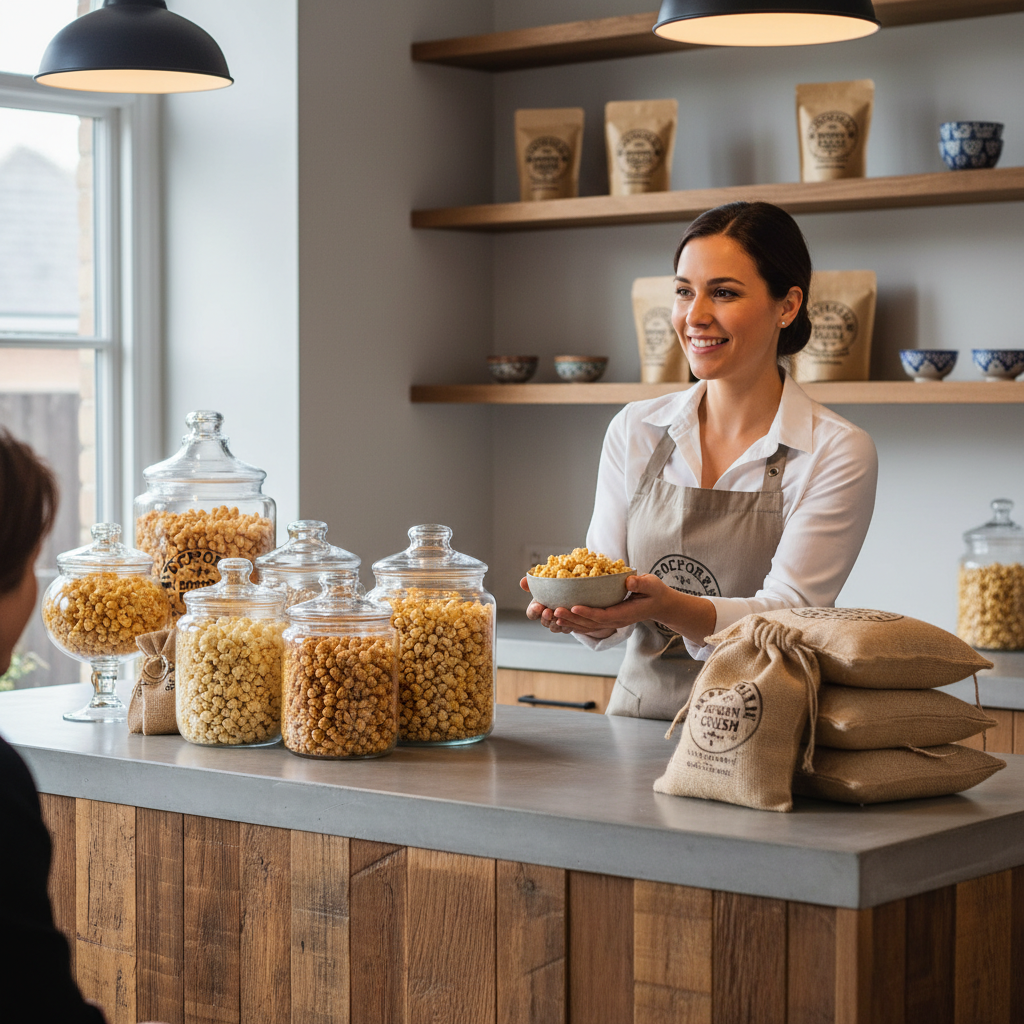
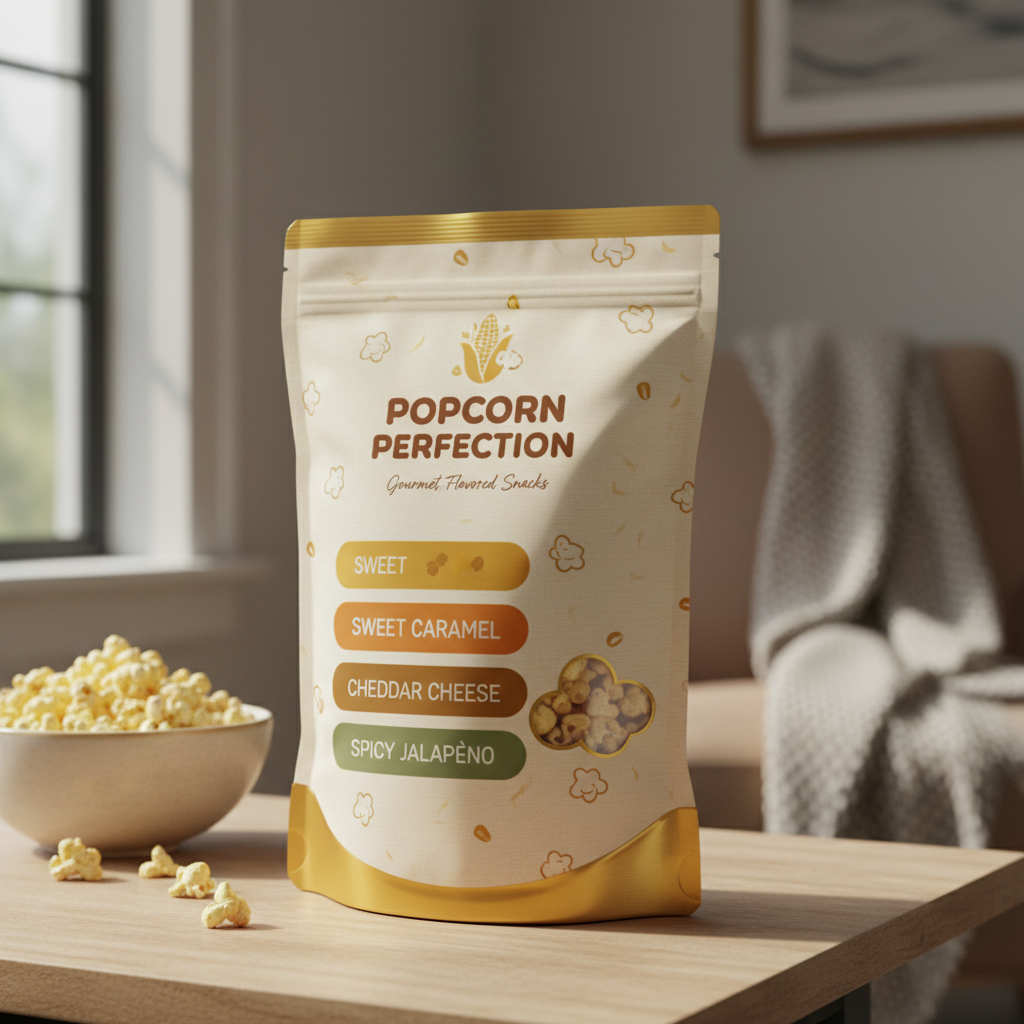
The global snack food industry is a multi-billion dollar market, and the demand for convenient, tasty, and diverse snack options continues to grow. Increasingly, businesses are turning to private label snack manufacturers to meet this demand, offering cost-effective solutions without compromising on quality or innovation. This trend is driven by factors like evolving consumer preferences, the rise of private label brands, and the need for supply chain resilience. Understanding the intricacies of private label snack manufacturing is crucial for retailers, food service providers, and entrepreneurs looking to capitalize on this dynamic market.
Private label snack manufacturing isn't merely about slapping a different label on existing products; it involves a collaborative process of product development, formulation, packaging, and quality control, all tailored to the specific needs and branding of the client. This offers significant benefits, including increased profit margins, brand control, and the ability to respond quickly to market trends. The importance of a reliable private label snack manufacturer cannot be overstated in today's competitive landscape.
The rise of the private label snack manufacturer industry reflects a broader shift in consumer behavior – a growing trust in store brands and a desire for value without sacrificing quality. It also underscores the importance of strategic partnerships between brands and manufacturers to ensure efficient production, innovative product offerings, and consistent quality.
The Global Landscape of private label snack manufacturer
The global snack food market is projected to reach $473.98 billion by 2028, exhibiting a CAGR of 5.6% (Source: Fortune Business Insights). This growth is particularly strong in emerging economies, creating significant opportunities for private label snack manufacturers. The United Nations estimates that over half the world’s population now lives in urban areas, further driving the demand for convenient snack options.
A key challenge in the industry is maintaining consistent quality and safety standards across diverse manufacturing facilities and supply chains. This is especially important given increasing consumer awareness of ingredients and production processes. The International Organization for Standardization (ISO) 22000 standard is frequently adopted by private label snack manufacturers to demonstrate commitment to food safety management.
Defining Private Label Snack Manufacturing
Private label snack manufacturing, also known as contract manufacturing or white labeling, is the process where a food manufacturer produces snacks under another company’s brand name. Rather than developing and producing their own snacks, businesses outsource this function to a specialized private label snack manufacturer. This allows brands to focus on marketing, sales, and distribution.
It differs from traditional OEM (Original Equipment Manufacturing) in that the client typically has more control over the product formulation and packaging design, going beyond simply requesting modifications to an existing product. The private label snack manufacturer acts as a production partner, bringing expertise in food science, manufacturing processes, and regulatory compliance.
This model is essential in modern industry because it facilitates speed to market, reduces capital expenditure, and allows businesses to offer a wider range of products without significant investment in manufacturing infrastructure. This is critical in today’s fast-paced consumer market.
Core Components of Successful private label snack manufacturer
A successful private label snack manufacturer relies on several core components, beginning with a robust research and development (R&D) capability. This ensures the ability to formulate innovative snacks that meet specific client requirements and cater to emerging consumer trends. Furthermore, a strong quality control system is paramount, guaranteeing product consistency and adherence to stringent safety standards.
Efficient supply chain management is another crucial element. A private label snack manufacturer must have established relationships with reliable ingredient suppliers and optimized logistics to ensure timely production and delivery. This includes effective inventory management and the ability to adapt to fluctuations in demand.
Finally, regulatory compliance is non-negotiable. Manufacturers must adhere to all relevant food safety regulations (e.g., FDA, HACCP) and labeling requirements in the target markets. This includes maintaining accurate documentation and undergoing regular audits.
Key Factors Influencing Manufacturing Processes
Several key factors significantly influence the private label snack manufacturer process. Formulation complexity directly impacts production time and costs. Simpler snacks with fewer ingredients are generally faster and cheaper to produce than complex recipes requiring specialized equipment or techniques.
Packaging requirements also play a vital role. Different packaging materials and formats necessitate different machinery and processes, impacting overall costs and lead times. Considerations include barrier properties, shelf life, and aesthetic appeal.
Production Efficiency by private label snack manufacturer Method
Applications Across Industries and Regions
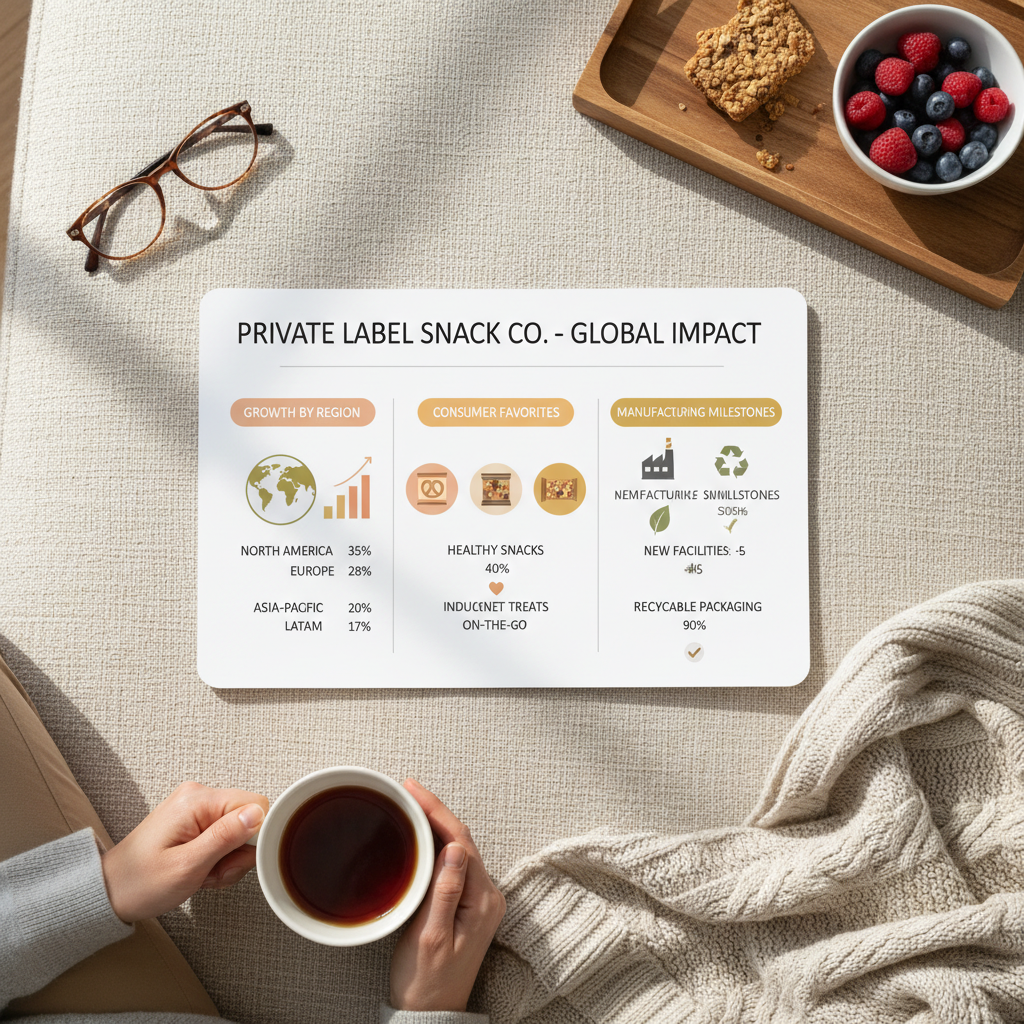
Private label snack manufacturers serve a diverse range of industries, including retail (supermarkets, convenience stores), food service (restaurants, hotels), and institutional (schools, hospitals). The demand is particularly strong in North America and Europe, driven by established private label markets.
In post-disaster relief operations, private label snack manufacturers can quickly produce shelf-stable snacks for emergency food supplies. Similarly, in remote industrial zones or military operations, readily available, nutritious snacks are essential, and private label options offer flexibility and cost-effectiveness.
The Advantages of Partnering with a private label snack manufacturer
Partnering with a private label snack manufacturer offers numerous advantages, including reduced capital investment. Businesses avoid the significant costs associated with building and maintaining their own manufacturing facilities. Furthermore, it allows for faster time to market, as manufacturers already have the infrastructure and expertise in place.
Increased flexibility is another key benefit. Brands can easily adapt to changing consumer preferences and introduce new products without significant disruption to their operations. This agility is crucial in the dynamic snack food industry.
Finally, outsourcing manufacturing allows businesses to focus on their core competencies, such as branding, marketing, and sales. This can lead to improved efficiency and overall business performance.
Future Trends and Innovations in the Industry
The future of private label snack manufacturer is likely to be shaped by several key trends. Sustainable packaging is gaining prominence, with consumers demanding eco-friendly options. Manufacturers are increasingly adopting biodegradable and compostable materials.
Digital transformation is also playing a significant role. Real-time data analytics and automation are being used to optimize production processes, improve quality control, and enhance supply chain visibility. This leads to greater efficiency and responsiveness.
Furthermore, the demand for healthier snacks is driving innovation in formulation. Manufacturers are exploring alternative ingredients, reducing sugar and sodium content, and incorporating functional ingredients like probiotics and superfoods.
Summary of Key Challenges and Mitigation Strategies for the Future of private label snack manufacturer
| Challenge |
Impact on Production |
Mitigation Strategy |
Implementation Cost (1-10) |
| Supply Chain Disruptions |
Increased lead times, higher ingredient costs |
Diversify suppliers, build buffer inventory |
7 |
| Rising Ingredient Costs |
Reduced profit margins, increased product prices |
Negotiate long-term contracts, explore alternative ingredients |
6 |
| Labor Shortages |
Reduced production capacity, increased labor costs |
Invest in automation, offer competitive wages and benefits |
8 |
| Changing Consumer Preferences |
Risk of obsolete products, reduced demand |
Invest in R&D, conduct market research |
5 |
| Stringent Food Safety Regulations |
Increased compliance costs, potential for recalls |
Implement robust quality control systems, maintain certifications |
9 |
| Competition from Large Manufacturers |
Price pressure, reduced market share |
Focus on niche markets, offer customized solutions |
4 |
FAQS
Utilizing a private label snack manufacturer significantly reduces capital expenditure, eliminating the need for expensive equipment and facilities. It also allows businesses to focus on core competencies like branding and marketing, accelerating time to market and providing greater flexibility in product offerings. Outsourcing offers scalability, enabling businesses to quickly adjust production volume based on demand without substantial investment.
Thorough due diligence is crucial. Verify the manufacturer's certifications (e.g., ISO 22000, HACCP), review their quality control processes, and request samples for testing. Regular audits of the manufacturing facility are recommended. A reputable private label snack manufacturer will be transparent about their processes and readily provide documentation.
Lead times vary depending on the complexity of the snack, packaging requirements, and order volume. Typically, initial formulation and sampling can take 2-4 weeks. Full-scale production can then take another 4-8 weeks, depending on the manufacturer’s capacity and existing workload. Clear communication and early planning with the private label snack manufacturer are key to managing lead times effectively.
Many private label snack manufacturers specialize in producing snacks for specific dietary needs. It's essential to clearly communicate your requirements during the initial consultation. Ensure the manufacturer has the expertise and facilities to handle allergens and maintain cross-contamination control. Look for certifications validating their ability to produce specialized snacks.
MOQs vary widely depending on the manufacturer, the snack type, and packaging. Smaller manufacturers may have higher MOQs, while larger facilities often offer more flexibility. It's important to discuss MOQs upfront to ensure they align with your business needs and projected sales volume. Negotiating favorable MOQs is often possible, particularly for long-term partnerships with a private label snack manufacturer.
A Non-Disclosure Agreement (NDA) is essential. Ensure the private label snack manufacturer signs an NDA protecting your formulations, designs, and other confidential information. Clearly define ownership of intellectual property in the manufacturing agreement. Choose a manufacturer with a strong reputation for ethical business practices and a commitment to protecting client confidentiality.
Conclusion
In conclusion, partnering with a private label snack manufacturer offers a compelling solution for businesses seeking to enter or expand their presence in the dynamic snack food market. The benefits—reduced costs, increased flexibility, faster time to market, and access to specialized expertise—are substantial. Successfully navigating this landscape requires careful due diligence, clear communication, and a commitment to quality and safety.
Looking ahead, the future of the private label snack manufacturer industry will be defined by innovation, sustainability, and responsiveness to evolving consumer preferences. By embracing these trends and forging strong partnerships with reliable manufacturers, businesses can unlock significant opportunities and achieve long-term success. Visit our website at www.indiampopcorn.com to learn how we can help you bring your snack ideas to life.