

Healthy Snacking Guide with Low Calorie Bagged Popcorn Tips
The Ultimate Guide to Low Calorie Bagged Popcorn for Healthy Snacking
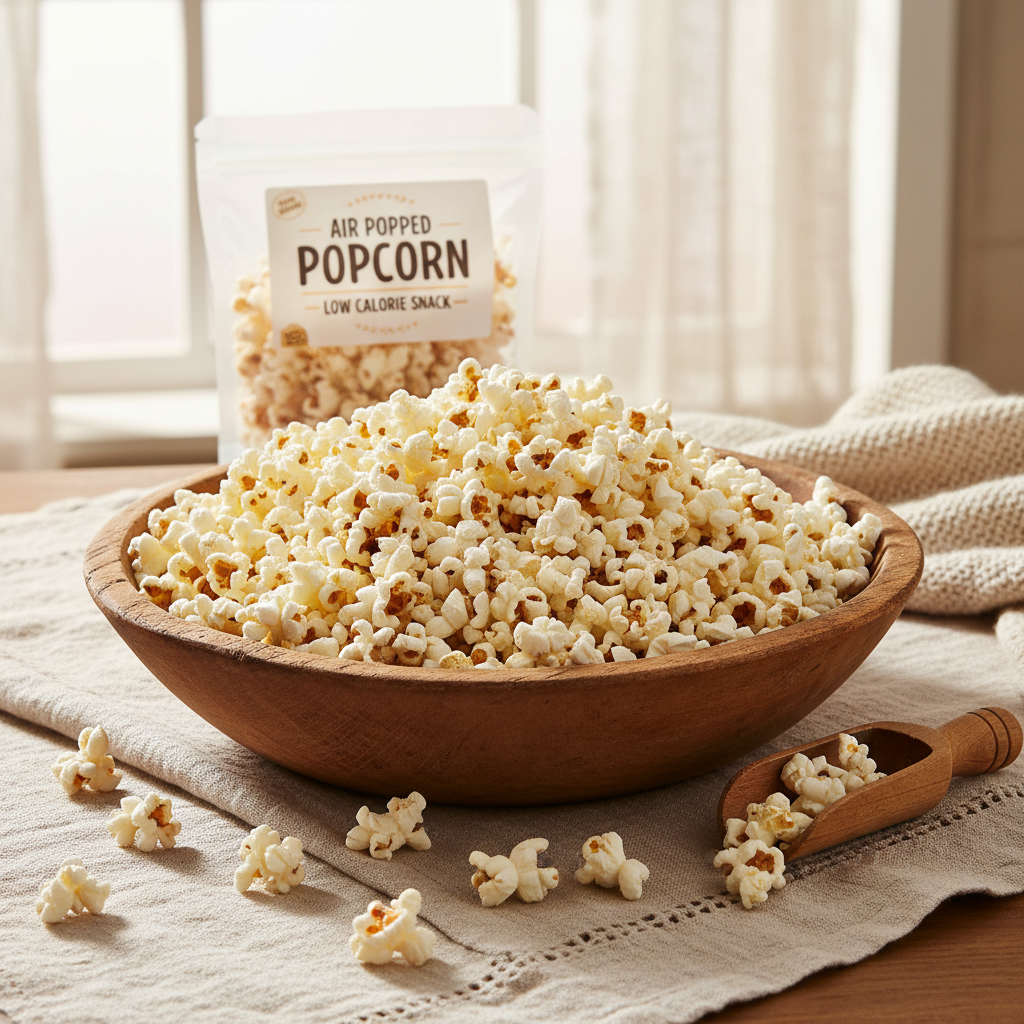
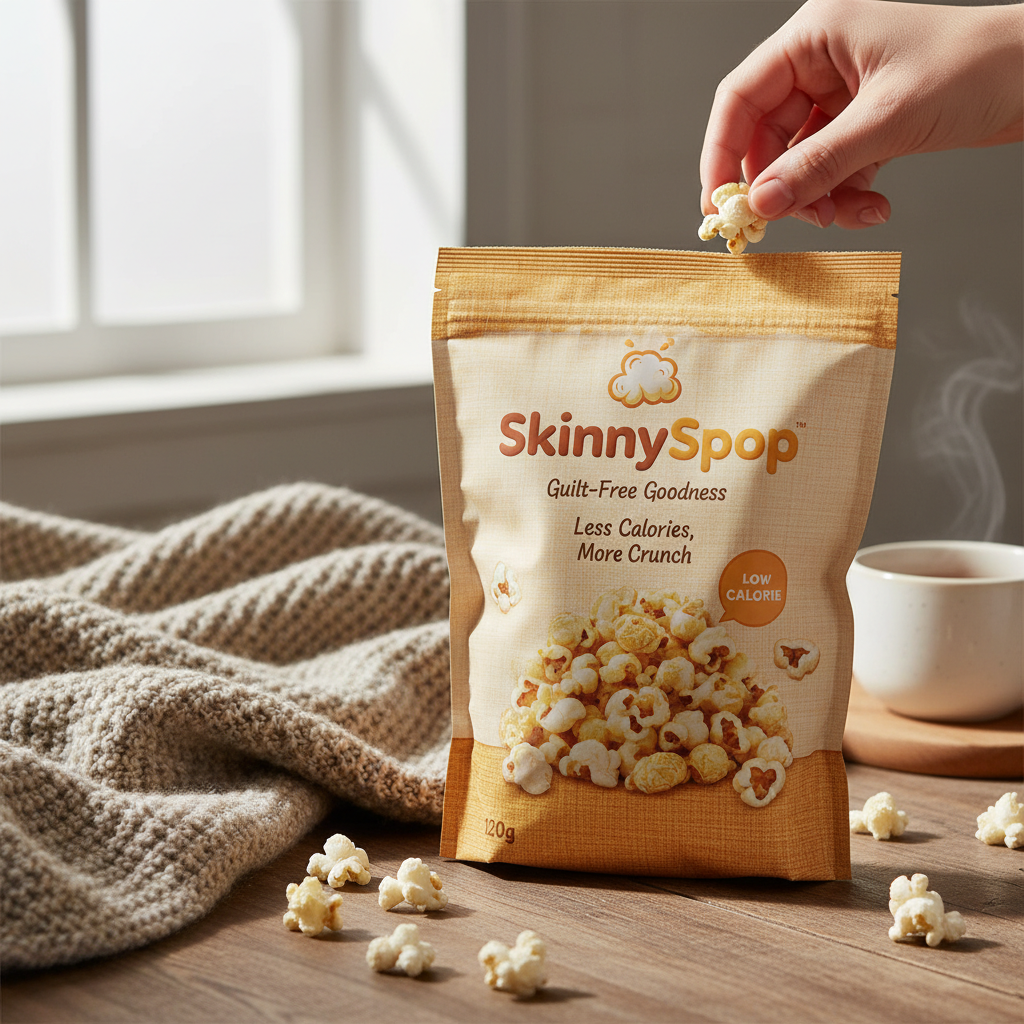
Finding a snack that satisfies a craving for something crunchy without ruining a diet can be a challenge. Enter low calorie bagged popcorn, the perfect marriage of convenience and health. Unlike traditional cinema popcorn drenched in synthetic butter, modern bagged options focus on air-popping and natural seasoning to keep the caloric count low. Whether you are managing your weight or simply looking for a cleaner alternative to potato chips, understanding what makes a bagged popcorn "healthy" is key. In this guide, we will explore why this snack is a nutritional powerhouse and how to choose the best options for your lifestyle.
Why Low Calorie Bagged Popcorn is a Nutritional Win
Popcorn is naturally a whole grain, meaning it retains the bran, germ, and endosperm. When you choose low calorie bagged popcorn, you are benefiting from a high volume of food with a relatively low energy density. This allows you to eat a larger portion, which triggers satiety signals in the brain, making it easier to stick to a calorie deficit. Furthermore, the fiber content in popcorn aids digestion and helps regulate blood sugar levels, preventing the insulin spikes often associated with processed corn chips or crackers.
Health Fact: Air-popped popcorn is naturally fat-free and cholesterol-free. The "low calorie" aspect is primarily maintained by controlling the oils and sugars added during the bagging process.
How to Identify Truly Healthy Low Calorie Bagged Popcorn
Not all bags are created equal. To ensure you are getting a genuine health product, you must look beyond the "Low Fat" label on the front. Pay close attention to the ingredient list. Avoid products containing partially hydrogenated oils or high-fructose corn syrup. The best low calorie bagged popcorn options typically use olive oil, coconut oil, or are simply air-popped. Additionally, keep an eye on the sodium levels; excess salt can lead to water retention, offsetting some of the benefits of a low-calorie snack.
Quick Checklist for Buyers:
• Check for "Whole Grain" certification
• Limit sodium to under 200mg per serving
• Avoid artificial colors (like Yellow 5 or 6)
• Ensure the primary popping method is air or low-oil
Comparison: Low Calorie Bagged Popcorn vs. Traditional Snacks
When we compare the nutritional profile of low calorie bagged popcorn against common alternatives like potato chips or pretzels, the difference is stark. Popcorn provides significantly more fiber and a lower glycemic index. While a handful of chips might leave you feeling hungry again in an hour, the complex carbohydrates in popcorn provide a steadier release of energy.
Creative Ways to Enjoy Your Low Calorie Bagged Popcorn
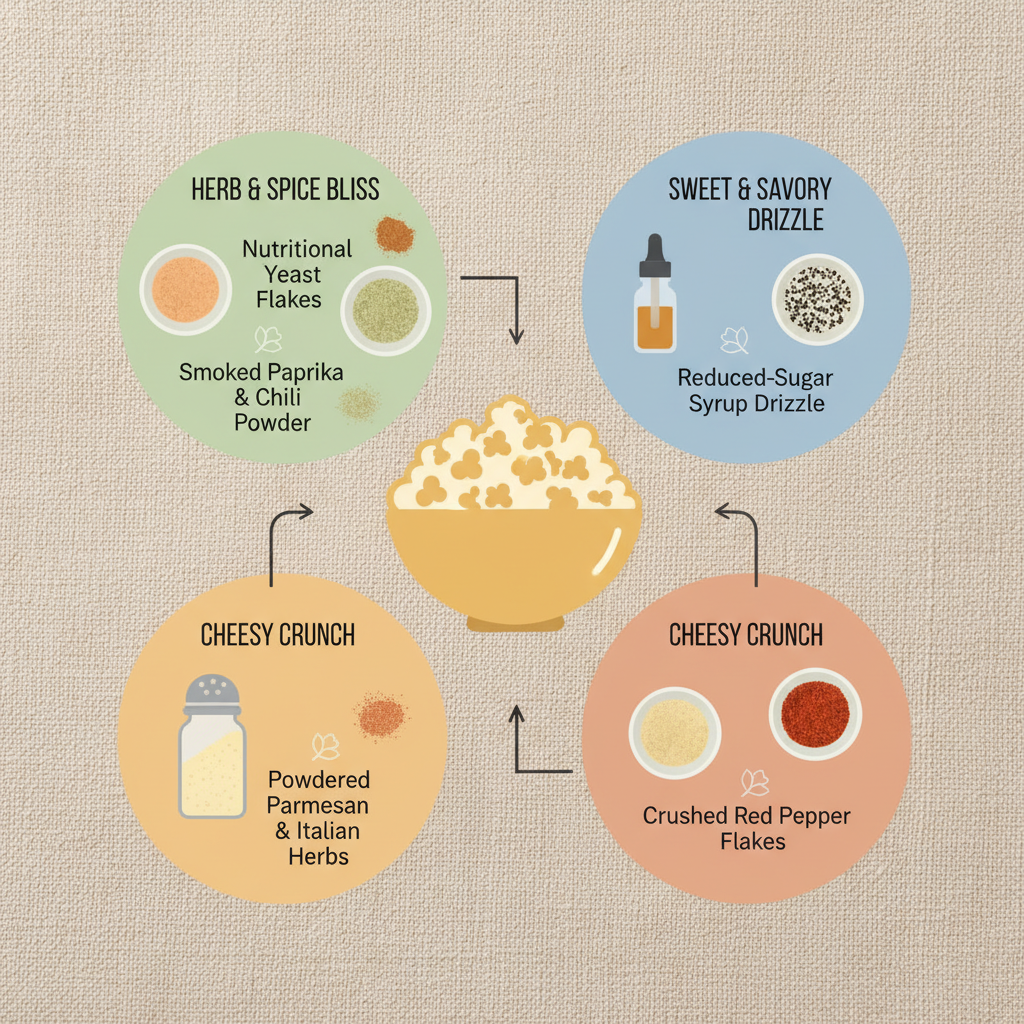
While low calorie bagged popcorn is delicious on its own, you can easily elevate it without adding significant calories. For those who crave a savory kick, a sprinkle of nutritional yeast can add a "cheesy" flavor and a boost of B-vitamins. If you prefer something spicy, a dash of paprika or cayenne pepper works wonders. For a sweet treat, a light dusting of cinnamon can satisfy a sugar craving while keeping the calorie count in check. This versatility makes it a staple for anyone trying to maintain a varied and exciting diet.
Product Specifications: Standard Low Calorie Bagging
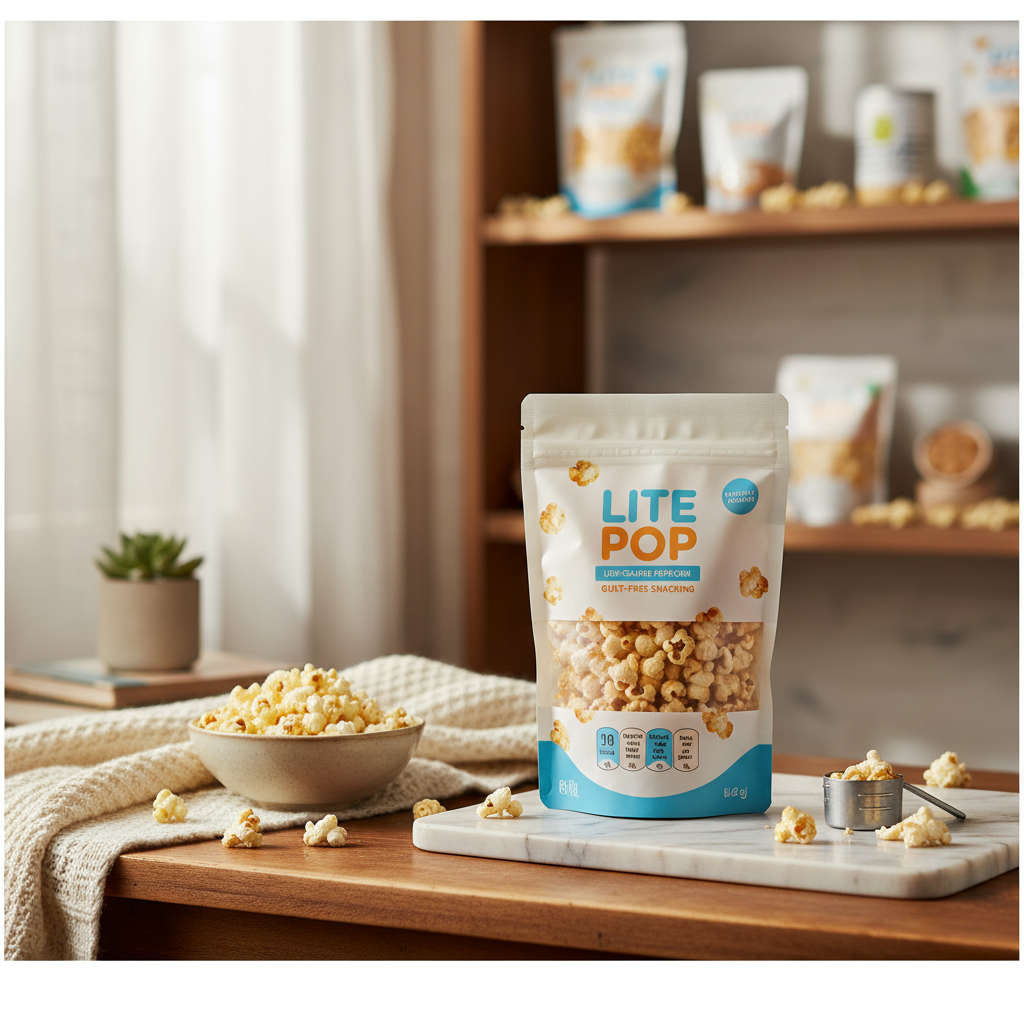
To give you a better idea of what to expect when purchasing professional-grade low calorie bagged popcorn, we have outlined the general specifications below. These standards ensure that the popcorn remains fresh, crisp, and nutrient-dense from the factory to your pantry.
Conclusion: Making the Switch to a Healthier Crunch
Incorporating low calorie bagged popcorn into your daily routine is a simple yet effective way to improve your snacking habits. By choosing a snack that is rich in fiber, low in saturated fats, and calorie-conscious, you can enjoy the pleasure of eating without the guilt. Remember to read your labels, prioritize air-popped varieties, and get creative with natural seasonings. Your body and your taste buds will thank you for making the switch to a smarter, healthier crunch.
Frequently Asked Questions (FAQs)
Is low calorie bagged popcorn actually healthy for weight loss?
Yes, it can be an excellent tool for weight loss. Because popcorn has a high volume-to-calorie ratio, it allows you to eat a satisfying amount of food while keeping your total caloric intake low. The high fiber content also helps you feel full longer, reducing the likelihood of overeating later in the day. However, it is important to choose versions that are not loaded with sugar or excessive oils, as these can quickly turn a healthy snack into a high-calorie one. Stick to air-popped or minimally seasoned options for the best results.
Can I eat bagged popcorn every day?
In moderation, yes. Popcorn is a whole grain and provides essential nutrients and fiber. For most people, a serving of low-calorie popcorn daily is perfectly healthy. The main concern would be the sodium content in some commercial brands. If you are monitoring your salt intake for blood pressure reasons, look for "low sodium" or "unsalted" versions. Pairing your popcorn with a source of protein, like a few almonds or a piece of fruit, can make it a more balanced snack that provides a wider spectrum of nutrients.
How should I store bagged popcorn to keep it fresh?
To maintain the crispness of your low calorie bagged popcorn, store it in a cool, dry place away from direct sunlight. If the bag has been opened, it is best to seal it tightly with a clip or transfer the contents to an airtight container. Humidity is the enemy of popcorn; it causes the kernels to absorb moisture and lose their crunch. By keeping the packaging sealed, you ensure that the popcorn stays fresh and delicious for a much longer period.
What is the difference between air-popped and oil-popped bagged popcorn?
The primary difference lies in the heat transfer medium. Air-popped popcorn uses hot air to expand the kernel, resulting in a snack with virtually no fat. Oil-popped popcorn uses oil to heat the kernels, which often results in a richer flavor but adds significantly more calories and fat. For those seeking a truly low-calorie experience, air-popped is the gold standard. Many modern bagged brands use a hybrid method or a very light oil mist to ensure seasonings stick to the popcorn without adding the heavy calorie load found in traditional movie theater styles.
Post time: Apr . 16, 2026 02:35