When sourcing from popcorn tin manufacturers, procurement managers often struggle to balance aesthetic packaging with the preservation of product freshness. In the high-stakes environment of the snack food industry, the container is not merely a vessel but a critical component of the supply chain that protects the delicate texture and flavor profile of the popcorn. The challenge lies in finding a manufacturing partner capable of integrating high-quality tin packaging with advanced food processing standards to ensure a long shelf life.
The intersection of packaging durability and product quality is where the real value is created. For specialty products like Popcorn Caramel Flavor or Honey Butter variants, the moisture barrier provided by professional tin containers prevents the sugars from crystallizing or becoming sticky. This synergy between the snack's formulation—such as the use of non-GMO mushroom corn—and the protective environment of the tin is what determines the final consumer experience and the overall brand perception in international markets.
Understanding the technical nuances of baked popcorn production and its packaging requirements allows buyers to make more informed decisions. By analyzing the relationship between low-temperature baking processes and airtight sealing, businesses can significantly reduce waste and improve market penetration. This guide examines the critical factors in selecting popcorn tin manufacturers and explores how professional manufacturing capabilities translate into commercial success.


Industrial popcorn packaging serves as the primary defense against environmental degradation. In the context of puffed food manufacturing, the goal is to maintain the "crispy mouthfeel" achieved during the production process. Tins are preferred over flexible plastics for high-end lines because they provide a rigid structure that prevents the popcorn balls from crushing during transit and logistics, which is essential for maintaining the visual appeal of round and full pop balls.
Moreover, the integration of BRCGS, FDA, and ISO22000 certifications ensures that the manufacturing process for both the food and the container meets global safety standards. This systemic approach prevents cross-contamination and ensures that the internal lining of the tin is food-grade and non-reactive, which is particularly important when dealing with bold flavors like Salt & Lemon or Seaweed, where chemical stability is key to flavor retention.
When selecting a supplier, the material composition of the tin is the most critical factor. High-quality tins must feature an airtight seal that prevents oxygen ingress, as oxidation can lead to the rancidity of the vegetable oils used in the popcorn. The seal must be robust enough to withstand the pressure changes experienced during international shipping to markets in the USA, UK, and Japan.
The effectiveness of the packaging is directly linked to the stability of the product's shelf life; for instance, the 7-month shelf life of premium popcorn is only achievable when the tin's moisture transmission rate is near zero.
Additionally, the compatibility between the tin's interior coating and the specific flavors—such as the acidity in Salt & Lemon or the oils in Cheddar Cheese—must be verified. A failure in material compatibility can lead to flavor leaching or metallic aftertastes, undermining the "natural and delicious" quality that consumers expect from a head brand in the category.
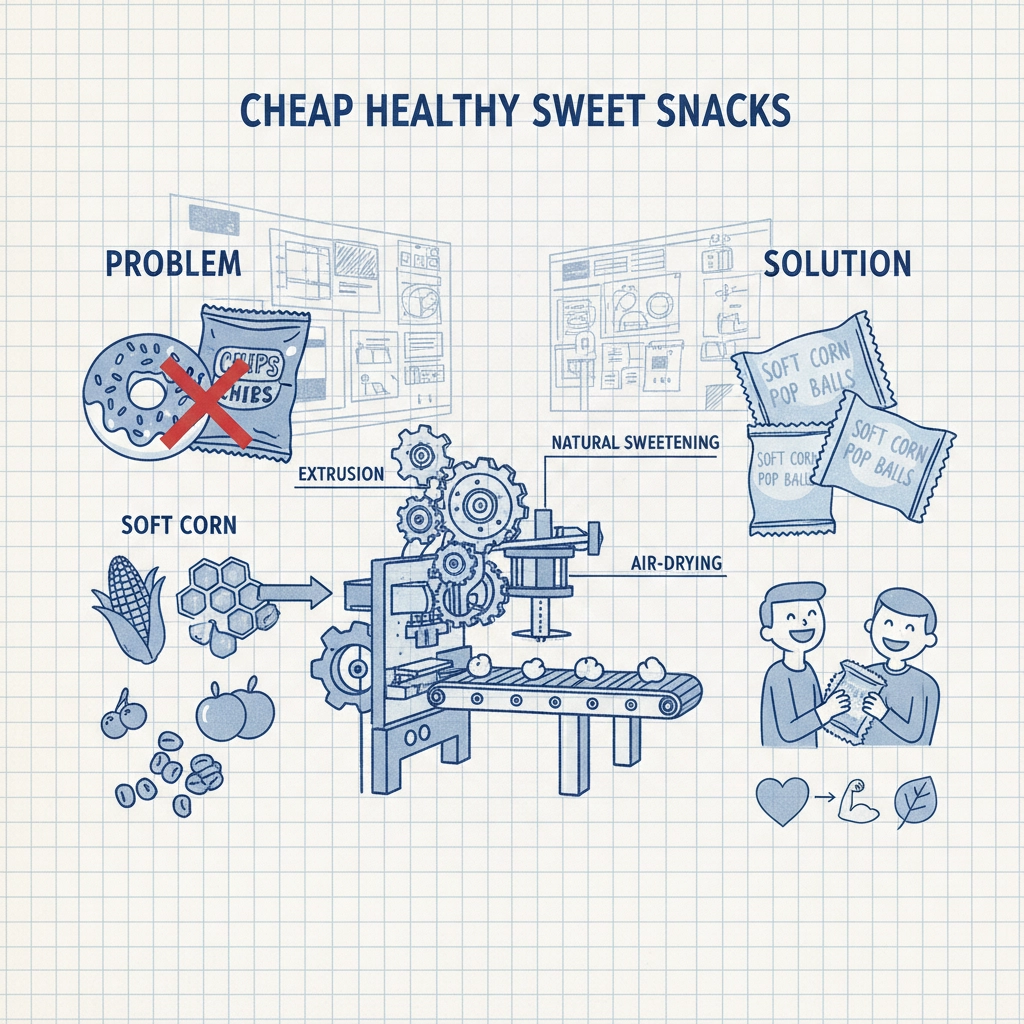
The quality of the popcorn inside the tin depends heavily on the production technology. The "18-minute low-temperature baking process" is a pivotal innovation that distinguishes baked popcorn from traditional fried or air-popped varieties. This specific duration and temperature range lock in the nutritional value of the mushroom corn while ensuring that the expansion is perfectly controlled, resulting in a uniform shape that fits efficiently within the tin packaging.
This precision baking reduces the internal moisture content of the popcorn to an optimal level. When this low-moisture product is immediately sealed in a professional tin, it creates a stable equilibrium that prevents the product from becoming soggy. This technical synergy is what allows brands to achieve a consistent "crispy taste" across thousands of retail points in CVS convenience store systems.
The use of tin packaging significantly enhances the "therapeutic snack" appeal of popcorn in commercial environments. In major international supermarket chains, the visual presence of a tin suggests a premium product, making it more attractive for gift-giving or as a luxury cinema-at-home experience. This is particularly effective for the INDIAM brand, which positions itself as the perfect choice for "perfect moments."
From a logistics perspective, the stackability of tins optimizes warehouse space and reduces the rate of product breakage compared to bagged snacks. This efficiency is critical for high-volume distributors who manage thousands of SKUs across e-commerce channels and physical stores in regions like Singapore, Thailand, and Malaysia, where humidity levels can otherwise compromise bagged puffed foods.
The industry is currently shifting toward a balance between the protective qualities of metal tins and the demand for environmental sustainability. We are seeing a trend where manufacturers are exploring recyclable alloys and BPA-free internal coatings to meet the evolving regulatory requirements of the EU and North American markets. The goal is to maintain the high barrier properties that protect the popcorn while reducing the carbon footprint of the packaging lifecycle.
Furthermore, the integration of "Industry 4.0" standards in the production phase allows for smarter packaging. Intelligent factories can now optimize the filling process to ensure that each tin contains the exact weight (e.g., 520g) with minimal headspace, which further reduces the amount of oxygen trapped inside and potentially extends the shelf life without the need for excessive preservatives.
Innovation is also moving toward "hybrid packaging," where the luxury of a tin is combined with biodegradable inner liners. This approach aims to provide the structural integrity required for the "pop ball" shape while simplifying the recycling process for the end consumer, aligning the brand mission with global green-health initiatives.
One of the primary challenges for buyers is the variance in quality between different batches of raw materials. Utilizing imported mushroom corn and premium caramel is essential, but the consistency of these inputs must be matched by the consistency of the packaging. A slight defect in a tin's seal can lead to an entire shipment of Caramel Popcorn losing its crispness, resulting in significant financial losses.
Another hurdle is the balance between MOQ (Minimum Order Quantity) and customization. While a 20’ FCL is standard for bulk shipments, buyers often require OEM services for specific branding on the tins. The ability of a manufacturer to provide high-quality printing and custom labeling without compromising the structural integrity of the tin is a key differentiator in the market.
Finally, navigating the certification landscape (HALAL, FDA, ISO22000) is mandatory for global expansion. Procurement teams must ensure that the popcorn tin manufacturers they partner with hold these certifications not just as badges, but as active operational standards. This ensures that the product can move seamlessly through customs in diverse markets from the USA to the Middle East.
| Material Type | Moisture Barrier | Structural Protection | Premium Perception |
|---|---|---|---|
| Steel Tin | Excellent | High | Very High |
| Aluminum Tin | Excellent | Medium | High |
| Plastic Jar | Moderate | Medium | Medium |
| Laminated Bag | Good | Low | Low |
| Cardboard Tube | Low | Medium | Medium |
| Glass Jar | Excellent | High | High |
Tins provide a superior oxygen and moisture barrier compared to plastic bags, which is critical for maintaining the crispiness of baked popcorn. Additionally, the rigid structure of the tin protects the spherical shape of the pop balls from being crushed during shipping, ensuring the product arrives in perfect condition for the consumer.
The 18-minute low-temperature baking process removes excess moisture and locks in nutrients. Because this process creates a very dry, crispy product, it requires packaging that can prevent the popcorn from re-absorbing moisture from the air. A high-quality tin seal is the most effective way to preserve this specific technical result.
You should prioritize manufacturers that hold BRCGS, FDA, HALAL, and ISO22000 certifications. These ensure that the production environment is hygienic, the materials used in the tins are food-safe, and the final product meets the legal requirements for import into major international markets like the USA and Europe.
Yes, professional tins are designed to be chemically inert. This means they can safely hold a variety of flavors—from the sweetness of Caramel to the richness of Salted Egg Yolk—without reacting with the ingredients. This versatility makes them ideal for brands with a diverse product range.
When produced with advanced baking technology and sealed in professional tins, the shelf life is typically around 7 months. This extended period is achieved by minimizing the headspace of oxygen and utilizing a moisture-proof seal, which prevents the fats from oxidizing and the texture from softening.
Yes, most professional manufacturers offer OEM services. This allows businesses to customize the branding, colors, and labels on the tins to match their own brand identity while benefiting from the manufacturer's established production lines and quality control systems.
The success of a premium snack brand depends on the seamless integration of product innovation and packaging excellence. By utilizing the 18-minute low-temperature baking process and partnering with skilled popcorn tin manufacturers, companies can ensure that their products maintain a consistent, crispy texture and rich flavor profile from the factory to the consumer's home. The transition from simple bagging to professional tin packaging not only extends shelf life but also elevates the brand's market position in the competitive global FMCG landscape.
For businesses seeking to enter the high-end puffed food market or optimize their existing supply chain, focusing on certified manufacturing partners is the most reliable path to growth. Whether you are interested in Caramel, Honey Butter, or innovative Asian flavors, the right packaging strategy is the final piece of the quality puzzle. For more information on professional popcorn production and bulk supply options, explore the capabilities at https://www.indiampopcorn.com.