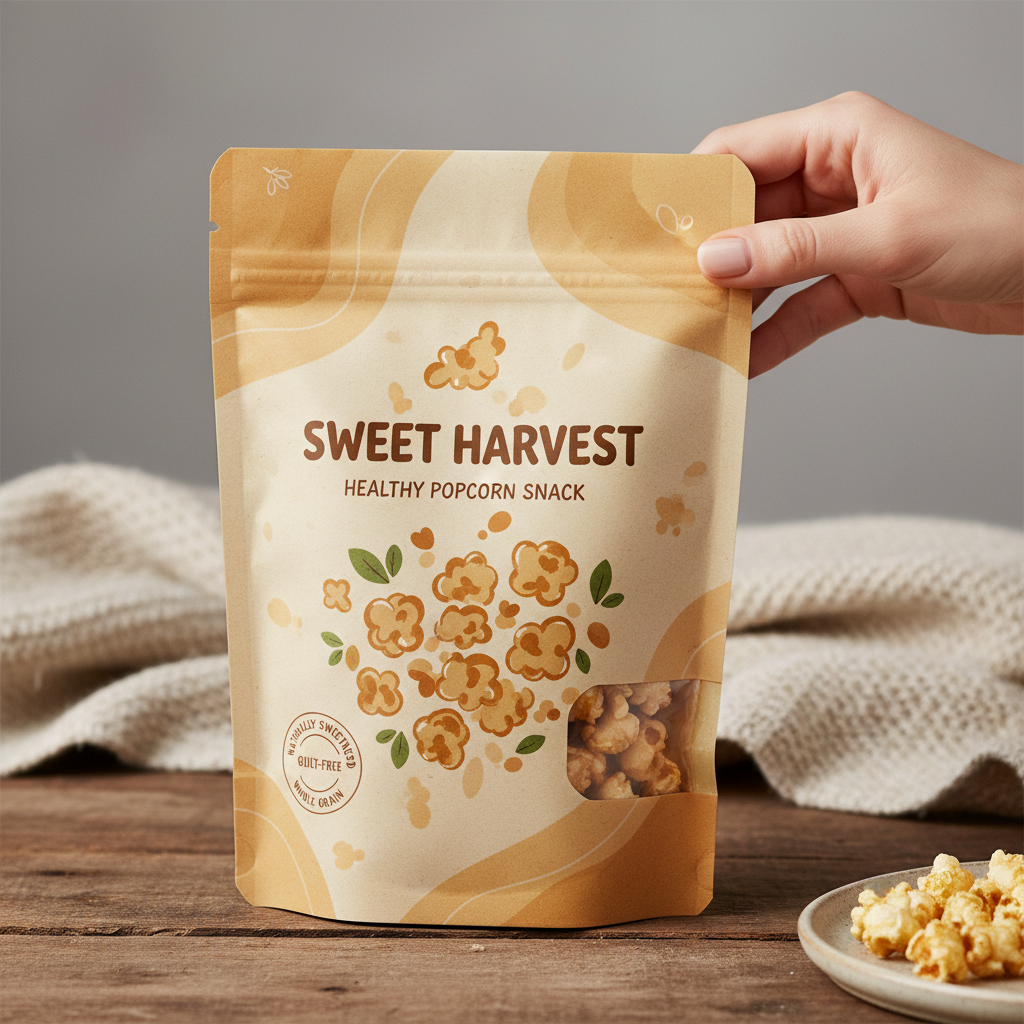
The global snack food industry is a multi-billion dollar market, driven by changing consumer lifestyles, increasing disposable incomes, and a growing demand for convenient food options. Wholesale snack companies play a crucial role in this ecosystem, bridging the gap between manufacturers and retailers, ensuring products reach consumers efficiently. Understanding the intricacies of these companies is vital for anyone involved in the food supply chain, from producers to distributors and even end consumers seeking better value and choice.
The importance of wholesale snack companies extends beyond simple distribution. They offer economies of scale, enabling smaller retailers to compete with larger chains by providing access to a wider range of products at competitive prices. Moreover, effective wholesale networks are essential for managing inventory, reducing waste, and responding quickly to shifts in consumer demand. wholesale snack companies are therefore integral to a resilient and responsive food system.
In a world facing challenges like supply chain disruptions and increasing food security concerns, the role of robust wholesale networks is more critical than ever. Efficient distribution channels are essential to minimize food loss and ensure access to affordable, nutritious snacks for all. The ability of wholesale snack companies to adapt to new technologies and changing market conditions will shape the future of the industry.
Introduction to Wholesale Snack Companies
Wholesale snack companies operate as intermediaries in the food supply chain, purchasing snacks in bulk directly from manufacturers and selling them to retailers, institutions, and other businesses. They are essential for efficient distribution, allowing manufacturers to focus on production while retailers can access a diverse product range without managing numerous supplier relationships. This streamlined process impacts availability and affordability for consumers.
The scale of operations for these companies varies significantly, from regional distributors serving local markets to national or even international organizations with extensive networks. Successful wholesale snack companies prioritize logistical efficiency, strong supplier relationships, and a deep understanding of market trends to deliver value to both their suppliers and customers.
Defining Wholesale Snack Companies
A wholesale snack company, in its simplest form, is a business that buys snacks in large quantities from manufacturers and resells them to businesses. Unlike retail operations that sell directly to consumers, wholesale companies focus on business-to-business (B2B) transactions. This includes supermarkets, convenience stores, schools, hospitals, vending machine operators, and other organizations that require a consistent supply of snack products.
The modern wholesale snack company often provides more than just product distribution. They frequently offer services like inventory management, marketing support, and logistical solutions to help their retail partners optimize their operations. This value-added approach differentiates them from simple distributors and strengthens their relationships with customers.
The connection to modern industry and humanitarian needs lies in their ability to rapidly and efficiently deliver essential goods. In times of crisis, wholesale networks can be adapted to distribute emergency food supplies, contributing to immediate relief efforts. The efficiency and reach of these companies are paramount to maintaining a stable food supply.
Core Components of Effective Wholesale Operations
Several key factors contribute to the success of wholesale snack companies. First, robust logistics are critical. This involves efficient warehousing, transportation, and inventory management systems to ensure timely delivery and minimize costs. Second, strong supplier relationships are essential for securing favorable pricing, consistent product quality, and reliable supply.
Third, market intelligence is crucial for understanding consumer trends, identifying emerging product categories, and adapting to changing demand. Wholesale companies must stay informed about what’s popular and anticipate future needs. Fourth, effective customer service builds loyalty and encourages repeat business. This includes providing responsive support, personalized solutions, and flexible ordering options.
Finally, technology integration is becoming increasingly important. Utilizing software for order processing, inventory control, and data analysis allows wholesale companies to streamline operations, improve efficiency, and gain a competitive edge. These components intertwine, creating a synergistic effect that defines operational excellence.
Global Applications and Market Reach
Wholesale snack companies operate globally, adapting to regional preferences and market dynamics. In North America, they typically serve large supermarket chains and convenience store networks. In Europe, they cater to a more fragmented retail landscape, often working with smaller, independent shops. In Asia, the growth of e-commerce is creating new opportunities for wholesale snack companies to reach consumers directly.
In post-disaster relief operations, wholesale networks can be quickly mobilized to deliver essential food supplies to affected areas. In remote industrial zones, they provide a vital link to ensure workers have access to convenient and affordable snacks. Many international organizations rely on these companies to facilitate the distribution of food aid programs.
The rise of online wholesale platforms is expanding market reach for these companies, allowing them to connect with a broader customer base and offer more personalized services. Countries like China and India are witnessing rapid growth in this sector, driven by increasing consumer spending and improved infrastructure.
Distribution Methods of wholesale snack companies
Advantages and Long-Term Value Proposition
The advantages of working with wholesale snack companies are numerous. Cost savings are significant, as wholesalers can leverage bulk purchasing power to secure lower prices. This translates to higher profit margins for retailers and more affordable snacks for consumers. Moreover, wholesale operations streamline the supply chain, reducing administrative overhead and improving efficiency.
From a sustainability perspective, effective wholesale networks minimize waste by optimizing inventory levels and reducing transportation distances. This contributes to a lower carbon footprint and a more responsible food system. Socially, wholesale companies support local economies by creating jobs and providing opportunities for small businesses.
Future Trends and Innovations in Wholesale
The wholesale snack industry is undergoing a period of rapid transformation, driven by technological advancements and changing consumer preferences. Automation, including the use of robots in warehousing and order fulfillment, is increasing efficiency and reducing labor costs. Data analytics are playing a more prominent role, providing valuable insights into consumer behavior and optimizing inventory management.
The adoption of blockchain technology offers the potential to enhance transparency and traceability throughout the supply chain, improving food safety and building consumer trust. Furthermore, the demand for sustainable packaging and ethically sourced products is driving innovation in product development and supply chain management.
Challenges and Solutions for Wholesale Distributors
Wholesale snack companies face several challenges, including increasing competition, rising transportation costs, and the need to adapt to rapidly changing consumer preferences. Maintaining profitability in a competitive market requires constant innovation and a focus on efficiency. Managing complex logistics and ensuring timely delivery can be difficult, particularly during peak seasons or disruptions in the supply chain.
To overcome these challenges, companies are investing in technology, strengthening supplier relationships, and diversifying their product offerings. Embracing e-commerce and offering value-added services are also key strategies for success. Building a resilient and adaptable supply chain is essential for navigating future uncertainties.
Collaboration and information sharing among wholesalers, manufacturers, and retailers can help to optimize the entire supply chain and reduce costs. Proactive risk management and contingency planning are crucial for mitigating potential disruptions.
Key Performance Indicators for Wholesale Snack Company Success
| KPI Category |
Metric |
Measurement Frequency |
Target Value |
| Operational Efficiency |
Order Fill Rate |
Monthly |
98% |
| Financial Performance |
Gross Profit Margin |
Quarterly |
15% |
| Customer Satisfaction |
Customer Retention Rate |
Annually |
90% |
| Inventory Management |
Inventory Turnover Ratio |
Quarterly |
6 |
| Logistics & Delivery |
On-Time Delivery Rate |
Monthly |
95% |
| Sales Performance |
Sales Growth |
Annually |
8% |
FAQS
Working with a wholesaler offers several advantages including lower minimum order quantities, a wider product selection from various manufacturers under one roof, simplified logistics and distribution, and potential cost savings due to the wholesaler's bulk purchasing power. This is particularly valuable for smaller retailers who may not meet manufacturer minimums or lack the infrastructure for complex logistics. They also handle credit terms and payment processing, streamlining the purchasing process.
Reputable wholesale snack companies implement stringent quality control measures throughout the supply chain. This includes carefully vetting manufacturers, maintaining proper storage conditions (temperature, humidity), and adhering to strict expiration date management protocols. Many wholesalers also have systems for tracking product lots and conducting regular inspections to ensure compliance with food safety standards. Traceability is paramount to protecting both consumers and their reputation.
Payment terms vary depending on the wholesaler and the customer's creditworthiness. Common terms include Net 30 (payment due within 30 days of invoice), Net 60, or COD (Cash on Delivery). Some wholesalers may offer early payment discounts. Establishing a strong credit history and maintaining a good payment record can often lead to more favorable terms. Negotiating payment terms is a standard practice in B2B transactions.
Technology is revolutionizing wholesale snack distribution. Wholesalers are increasingly utilizing Enterprise Resource Planning (ERP) systems to manage inventory, streamline order processing, and optimize logistics. Online ordering portals and e-commerce platforms provide customers with 24/7 access to product catalogs and order tracking. Data analytics help to forecast demand, identify trends, and improve overall efficiency.
Consider factors like product selection, pricing, delivery capabilities, customer service, and reputation. Look for a wholesaler that specializes in the types of snacks your business sells and can consistently meet your demands. Check references and read online reviews. Ensure they have a robust inventory management system and can provide timely deliveries. A strong partnership is built on reliability and mutual benefit.
Common challenges include fluctuating fuel costs, driver shortages, seasonal demand peaks, and maintaining temperature control for perishable snacks. Wholesalers address these issues through strategic route optimization, investing in fuel-efficient vehicles, building relationships with reliable transportation providers, and utilizing advanced warehouse management systems to ensure proper storage and handling. Proactive planning and risk mitigation are crucial.
Conclusion
Wholesale snack companies are the unsung heroes of the food industry, enabling efficient distribution, reducing costs, and supporting a diverse retail landscape. Their ability to adapt to changing consumer preferences, embrace new technologies, and navigate complex logistical challenges is crucial for maintaining a stable and responsive food supply. Understanding the core components of their operations and the challenges they face is essential for anyone involved in the snack food ecosystem.
Looking ahead, the future of wholesale snack distribution will be shaped by sustainability concerns, the rise of e-commerce, and the increasing demand for transparency. By embracing innovation and prioritizing customer service, wholesale snack companies can continue to deliver value and drive growth in this dynamic industry. To learn more about partnering with a leading wholesale supplier, visit our website: www.indiampopcorn.com.