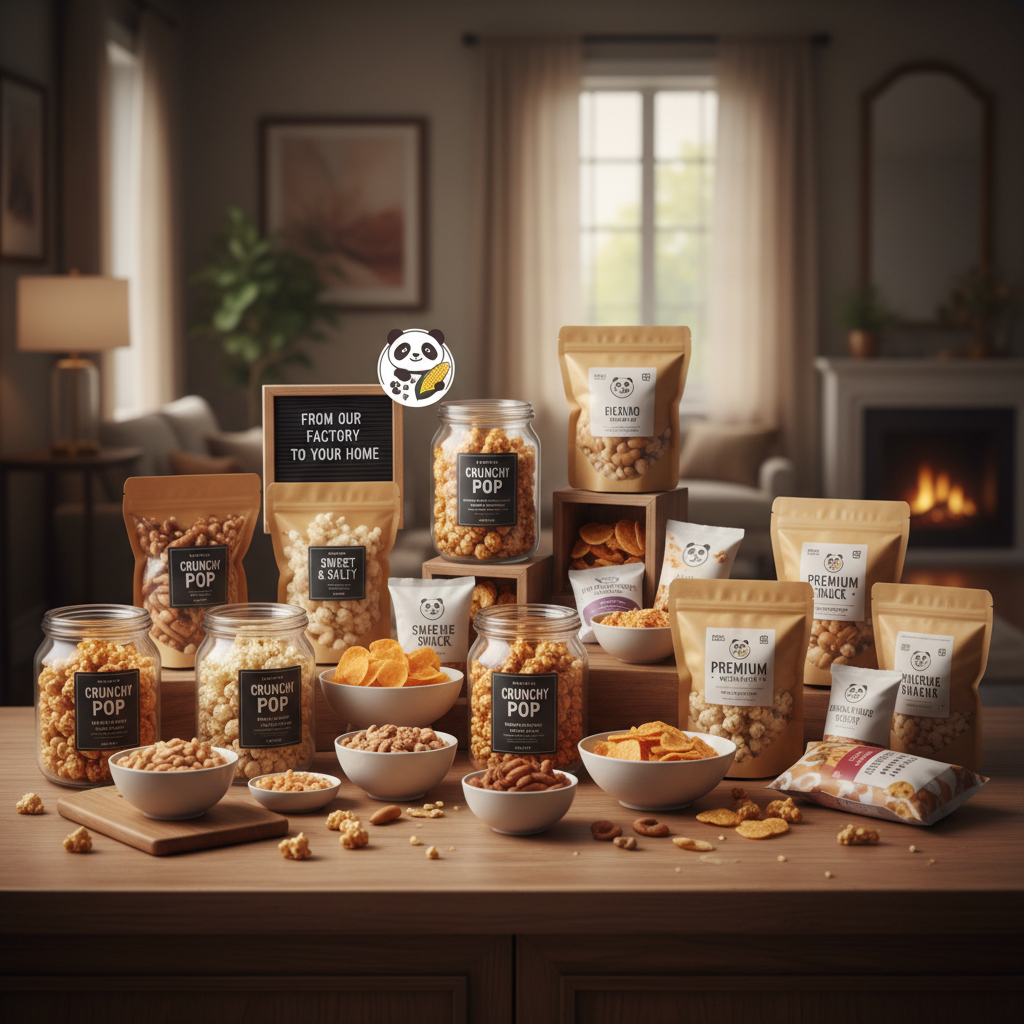
The world of snack foods is a dynamic and ever-evolving industry, with popcorn holding a significant and beloved place within it. Increasingly, businesses are turning to private label popcorn manufacturers to develop unique and branded popcorn offerings without the massive upfront investment of building their own production facilities. This approach allows for flexibility, scalability, and a focus on marketing and sales, leading to substantial growth opportunities for retailers, brands, and even startups. The demand for customized popcorn experiences continues to rise, fueling the importance of reliable and innovative manufacturers.
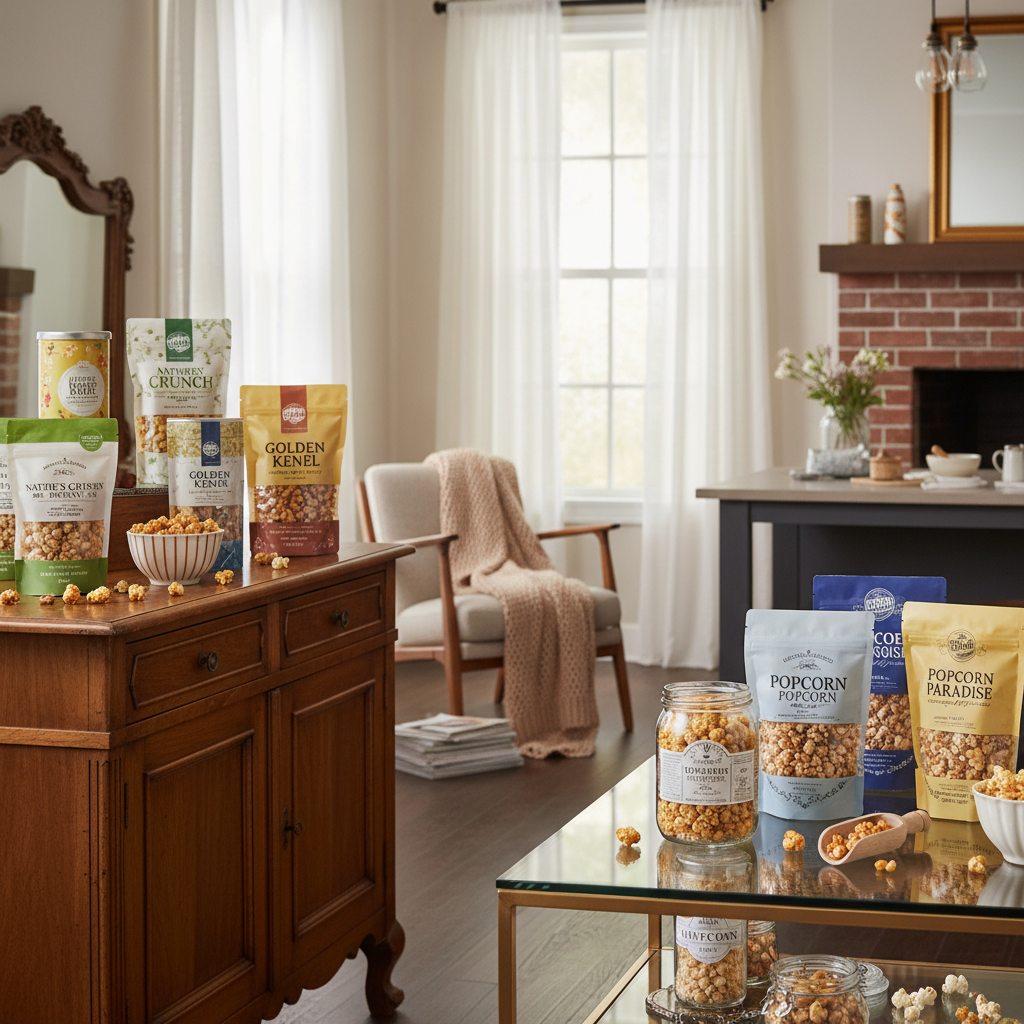
The rise of private labeling isn’t simply a trend; it's a strategic shift in the food industry. Consumers are increasingly seeking value and unique products, while retailers are looking for higher margin opportunities. private label popcorn manufacturers play a crucial role in bridging this gap. They offer a range of services, from recipe development and packaging design to manufacturing and fulfillment, making it easier than ever for businesses to bring their popcorn visions to life.
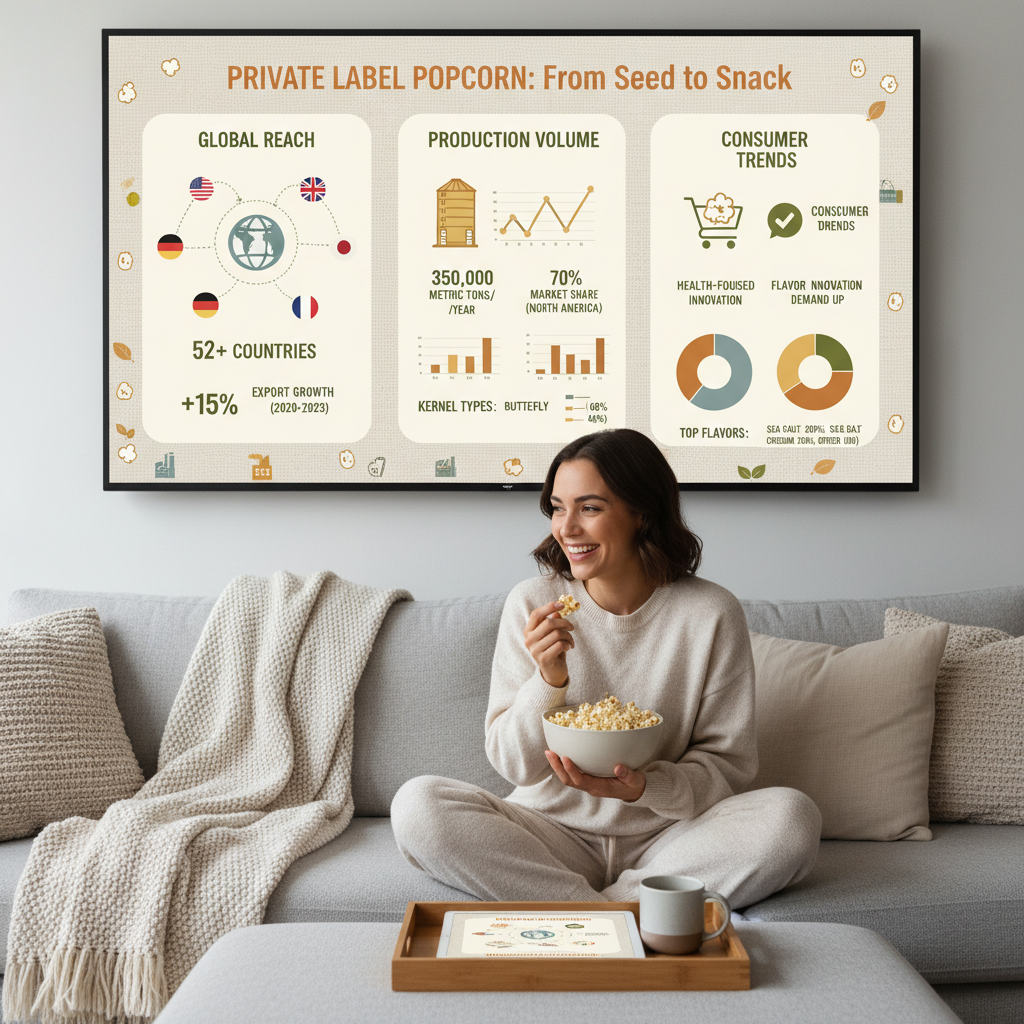
Globally, the popcorn market is experiencing steady growth, driven by factors like increased home entertainment and the convenience of ready-to-eat snacks. Data from industry reports indicates a significant increase in private label penetration within the snack food category. This signifies a growing consumer trust in store brands and the ability of private label popcorn manufacturers to deliver quality and innovation that rivals established national brands.
Introduction to Private Label Popcorn Manufacturing
Private label popcorn manufacturing represents a dynamic intersection of food production, branding, and retail strategy. These manufacturers serve as vital partners for businesses seeking to enter the popcorn market or expand their existing snack food lines without incurring the substantial costs associated with in-house production. private label popcorn manufacturers offer a comprehensive suite of services tailored to meet the unique needs of their clients.
The core function of a private label popcorn manufacturer is to produce popcorn products according to a client’s specific requirements, which can include flavor profiles, ingredient sourcing, packaging specifications, and branding elements. This process allows businesses to leverage the manufacturer’s expertise, economies of scale, and established infrastructure to deliver high-quality popcorn products to market efficiently and cost-effectively.
Defining Private Label Popcorn Manufacturers
Private label popcorn manufacturers are companies that specialize in the production of popcorn products branded and sold by other businesses. Unlike national brands that market their own products directly to consumers, these manufacturers operate behind the scenes, fulfilling orders for retailers, wholesalers, and other brands who want to offer popcorn under their own label. They are essentially contract manufacturers focused on popcorn.
This business model plays a critical role in the modern food industry, enabling a wider range of businesses to compete in the snack food market. They allow brands to quickly test new products, respond to market trends, and build brand loyalty without the need for significant capital investment in manufacturing facilities.
The connection to industry and consumer needs is clear: private label options are often perceived as offering comparable quality to national brands at a more competitive price point. This addresses a growing consumer demand for value, while providing businesses with a pathway to increased profitability.
Key Capabilities of Private Label Popcorn Manufacturers
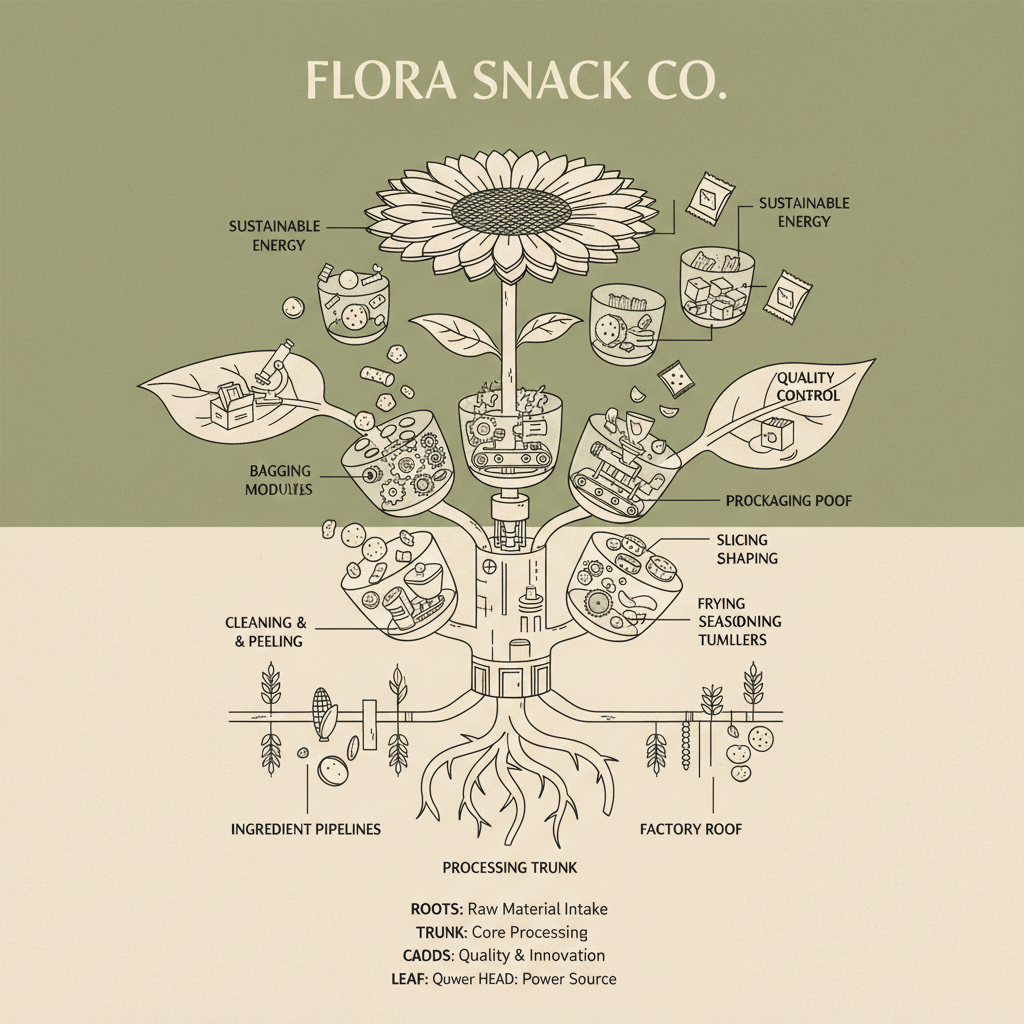
Effective private label popcorn manufacturers possess a diverse set of capabilities crucial for delivering high-quality products and meeting client expectations. These include recipe development, where manufacturers collaborate with clients to create unique and appealing flavor profiles. They also manage ingredient sourcing, ensuring the use of high-quality components and adherence to food safety standards.
Furthermore, packaging is a core competency, encompassing design, material selection, and efficient packaging processes. Manufacturers must also excel at quality control, implementing rigorous testing procedures throughout the production process. Finally, they offer fulfillment services, managing inventory, order processing, and shipping logistics to ensure timely delivery to clients.
The ability to adapt to varying order volumes, from small batch runs to large-scale production, is also essential. This flexibility allows clients to scale their popcorn offerings based on market demand and promotional activities. A strong private label popcorn manufacturer will prioritize communication and collaboration, keeping clients informed throughout the entire process.
Global Applications and Industry Reach
The reach of private label popcorn manufacturers extends far beyond domestic markets. They serve a diverse range of industries, including grocery retailers, convenience stores, movie theaters, and food service companies. The demand for private label popcorn is growing globally, with increasing penetration in emerging markets.
In North America, private label popcorn is a staple in most major grocery chains, offering consumers a cost-effective alternative to national brands. In Europe, demand is rising as consumers become more price-conscious and seek out store-brand options. In Asia, particularly in countries with growing middle classes, the appeal of convenient and affordable snack foods is driving demand for private label popcorn.
Private Label Popcorn Manufacturing Methods Comparison
Advantages and Long-Term Value Proposition
The advantages of partnering with private label popcorn manufacturers are numerous. From a cost perspective, it significantly reduces capital expenditure, eliminating the need for expensive equipment and facility investments. The flexibility to adapt to changing market demands and launch new products quickly provides a competitive edge.
Long-term, a strategic partnership fosters brand building and customer loyalty. By offering a unique, branded popcorn product, businesses can differentiate themselves from competitors and create a stronger connection with their target audience. Furthermore, sustainable manufacturing practices, often championed by reputable manufacturers, enhance brand reputation and appeal to environmentally conscious consumers.
Future Trends and Innovations in Manufacturing
The future of private label popcorn manufacturers is likely to be shaped by several key trends. Automation and robotics are poised to increase efficiency and reduce production costs. Sustainable packaging solutions, such as compostable or biodegradable materials, are gaining prominence.
Flavor innovation, driven by consumer preferences for unique and exotic tastes, will also be a major focus. We can anticipate seeing more functional popcorn products, enriched with vitamins, minerals, or other health-boosting ingredients. Digitalization and data analytics will play an increasingly important role in optimizing production processes and forecasting demand.
Challenges and Solutions in the Industry
Despite the growth and innovation within the industry, private label popcorn manufacturers face certain challenges. Supply chain disruptions, fluctuating ingredient costs, and maintaining consistent quality can pose significant hurdles.
Solutions include diversifying ingredient sourcing, investing in robust quality control systems, and fostering strong relationships with suppliers. Embracing technology, such as AI-powered forecasting tools, can help mitigate supply chain risks. Furthermore, prioritizing transparency and traceability throughout the production process builds consumer trust and enhances brand reputation.
Adapting to evolving regulatory requirements regarding food safety and labeling is also crucial. Continuous investment in research and development is essential for staying ahead of the curve and meeting changing consumer demands.
Summary of Key Challenges and Mitigation Strategies in Private Label Popcorn Manufacturing
| Challenge |
Impact Area |
Mitigation Strategy |
Implementation Cost (1-10) |
| Supply Chain Disruptions |
Production Continuity |
Diversified Sourcing & Buffer Stock |
6 |
| Fluctuating Ingredient Costs |
Profit Margins |
Long-Term Contracts & Hedging |
7 |
| Quality Control Consistency |
Product Reputation |
Automated Inspection & Rigorous Testing |
8 |
| Meeting Regulatory Compliance |
Legal & Operational Risk |
Dedicated Compliance Team & Audits |
5 |
| Keeping Pace with Innovation |
Market Competitiveness |
R&D Investment & Trend Monitoring |
9 |
| Labor Availability & Costs |
Production Capacity |
Automation & Employee Training |
7 |
FAQS
The MOQ varies significantly between manufacturers, but generally ranges from 5,000 to 25,000 units per flavor. This depends on packaging type, complexity, and the manufacturer’s overall production capacity. Understanding the MOQ upfront is critical for budgeting and planning your launch. Many private label popcorn manufacturers are willing to discuss customized MOQs based on specific project needs and volume commitments.
The production timeline typically ranges from 6 to 12 weeks, depending on order complexity, ingredient availability, and packaging requirements. This includes recipe finalization, ingredient sourcing, production, packaging, and quality control. Lead times can be longer during peak seasons or for particularly intricate orders. Clear communication and proactive planning with your private label popcorn manufacturer are essential for ensuring timely delivery.
The possibilities are nearly limitless! private label popcorn manufacturers can create a wide array of flavors, from classic butter and caramel to more exotic options like cheddar, dill pickle, spicy buffalo, and gourmet blends. They also offer various coatings, including chocolate, yogurt, and cheese powders. Custom flavor development is often available, allowing you to create truly unique popcorn experiences for your customers.
Yes, many private label popcorn manufacturers offer comprehensive packaging design services. They can help you create eye-catching packaging that reflects your brand identity and appeals to your target audience. This includes selecting materials, designing labels, and ensuring compliance with labeling regulations. Some manufacturers also offer assistance with branding strategy and market positioning.
Reputable manufacturers typically hold certifications such as SQF (Safe Quality Food), HACCP (Hazard Analysis and Critical Control Points), and FDA registration. These certifications demonstrate a commitment to food safety and quality control. They also implement rigorous testing procedures throughout the production process to ensure product consistency and adherence to industry standards. Always verify a manufacturer’s certifications and quality control practices before entering into a partnership.
Costs vary depending on factors such as order volume, flavor complexity, packaging type, and shipping distance. Typical cost components include ingredient costs, manufacturing fees, packaging costs, and shipping expenses. It’s crucial to obtain detailed quotes from multiple manufacturers and carefully compare pricing structures. Remember to factor in potential tooling or setup costs for custom packaging designs.
Conclusion
In conclusion, partnering with private label popcorn manufacturers offers a compelling pathway for businesses seeking to enter or expand their presence in the snack food market. The benefits – reduced capital expenditure, increased flexibility, and enhanced brand building opportunities – are significant. The industry continues to evolve, driven by innovation in flavor, packaging, and manufacturing processes, promising even greater opportunities for growth and differentiation.
Looking ahead, a proactive approach to sourcing, quality control, and sustainability will be crucial for success. Businesses should prioritize manufacturers who demonstrate a commitment to these values and who can adapt to evolving consumer preferences. By embracing these principles, companies can leverage the power of private labeling to create a thriving popcorn business and establish a loyal customer base. Visit our website: www.indiampopcorn.com