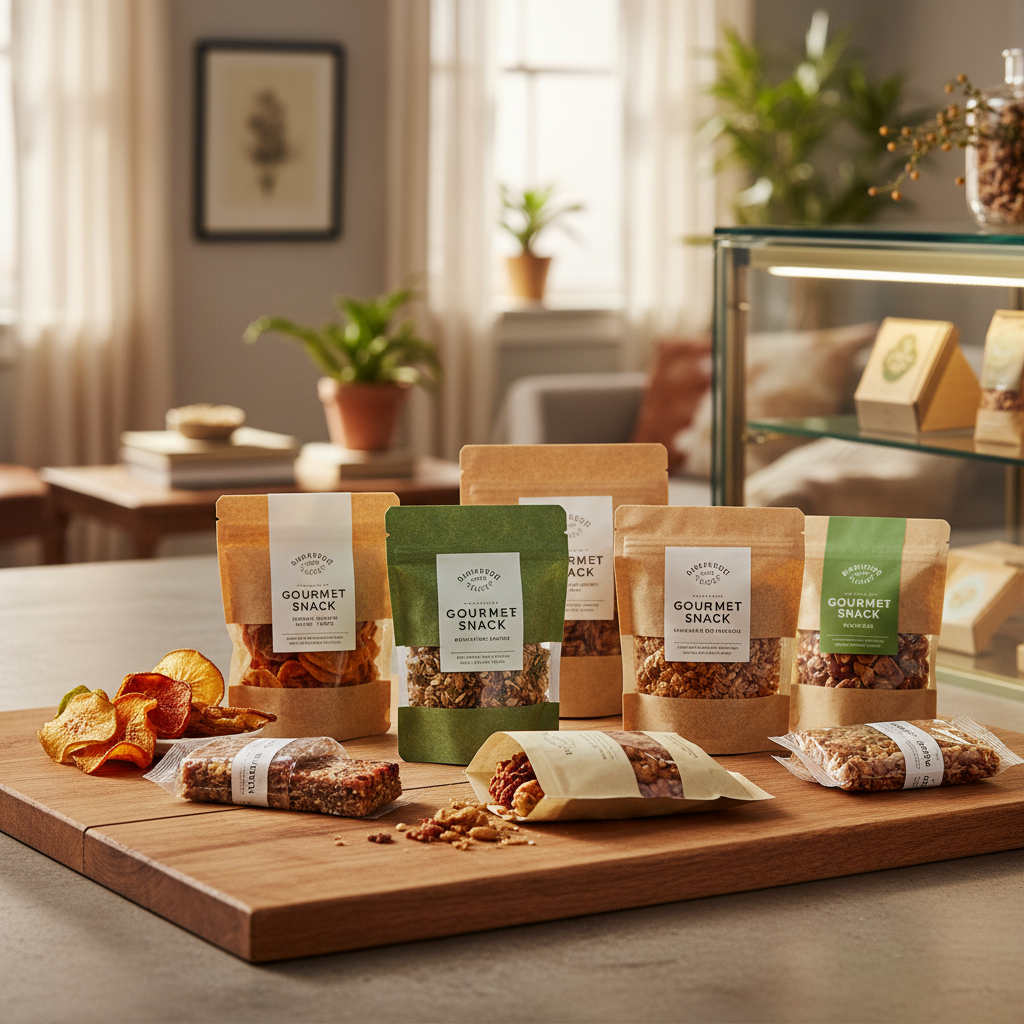
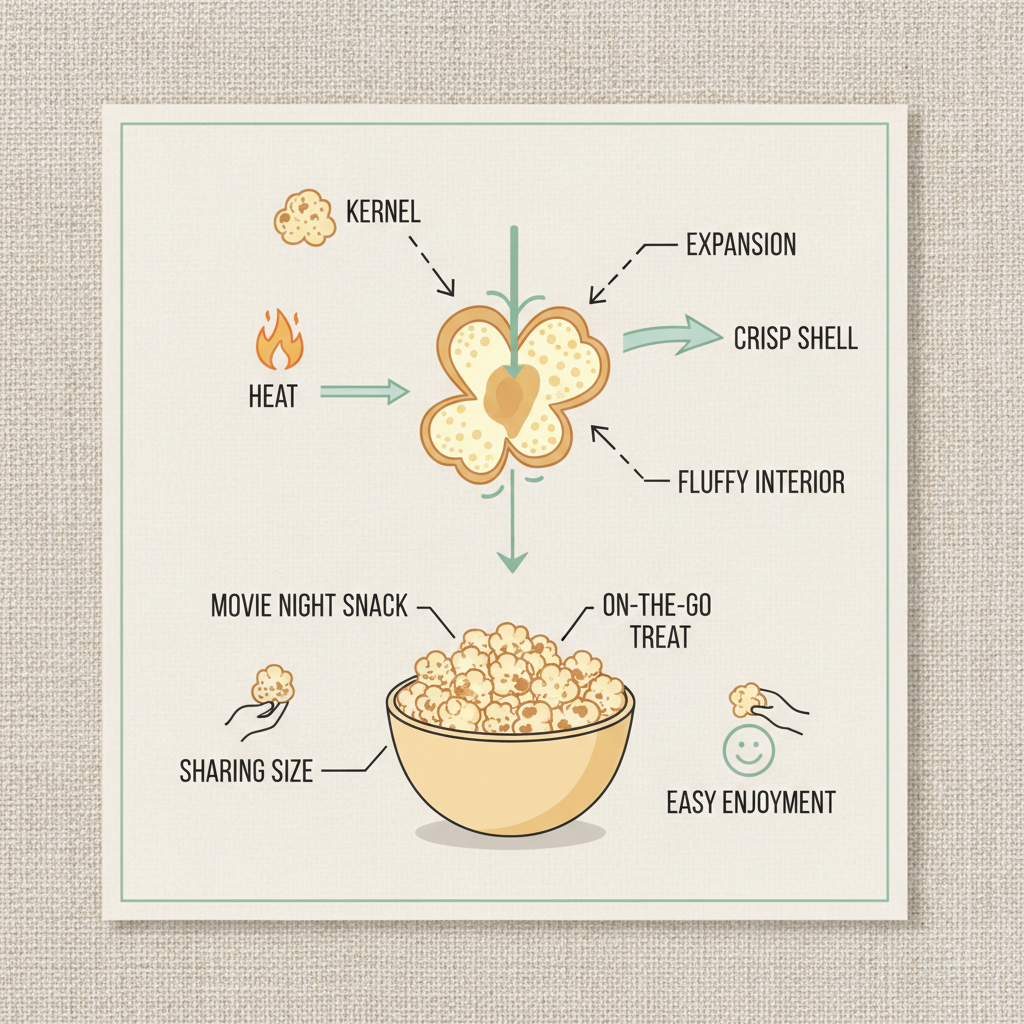
The world of snack foods is a multi-billion dollar industry, constantly evolving with consumer preferences and technological advancements. Within this landscape, private label snack food manufacturers play a crucial role, providing businesses with the ability to offer branded snack options without the massive overhead of in-house production. This approach is increasingly important for retailers, wholesalers, and even startups looking to establish a presence in the competitive food market.
Globally, the demand for convenience foods, including snacks, is steadily rising, particularly in emerging economies. According to recent reports from the Food and Agriculture Organization of the United Nations (FAO), consumption patterns are shifting towards more processed and packaged foods, driven by urbanization and changing lifestyles. Private label options offer a cost-effective solution for meeting this demand, allowing businesses to cater to diverse consumer segments.
However, ensuring quality control, maintaining supply chain integrity, and navigating complex regulations are key challenges for businesses relying on private label snack food manufacturers. Understanding the intricacies of this sector is paramount for success in today’s dynamic food industry.
Introduction to private label snack food manufacturers
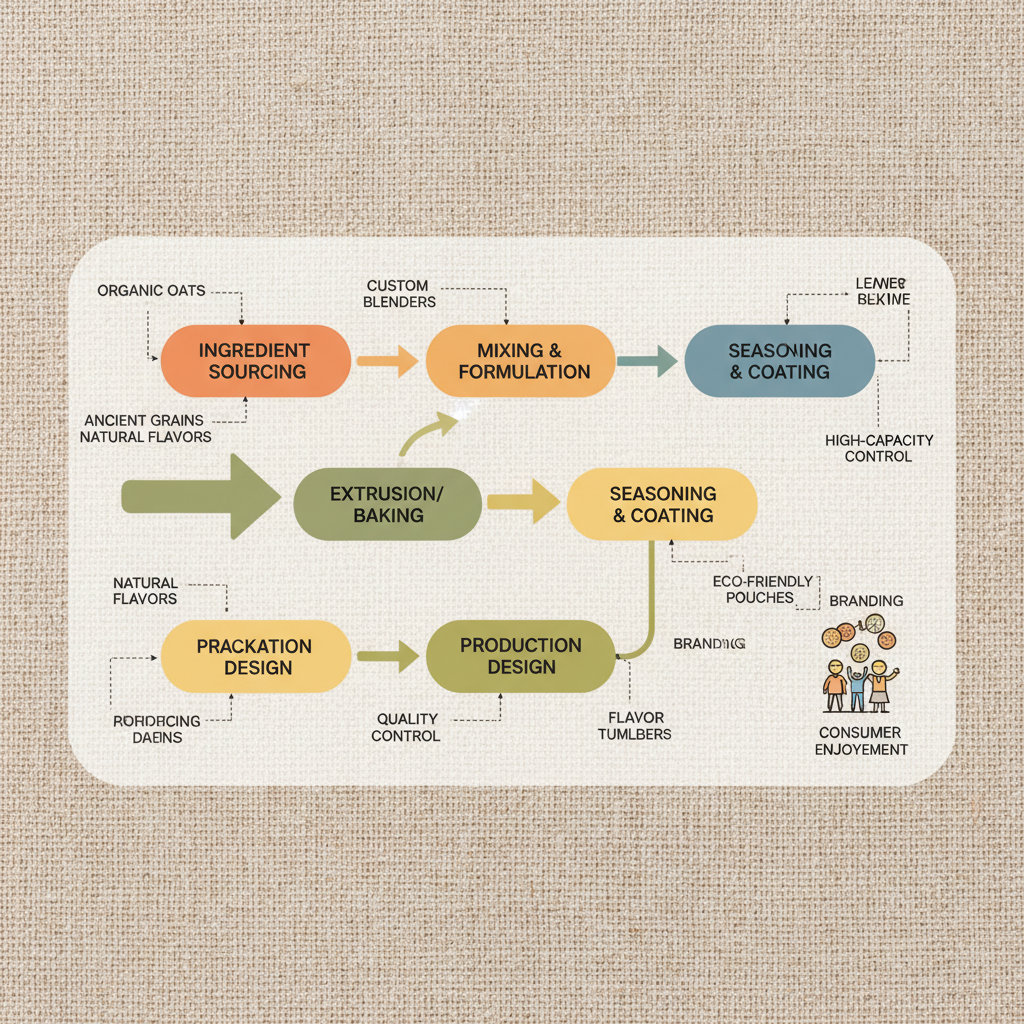
Private label snack food manufacturers specialize in the production of snacks – including chips, popcorn, pretzels, cookies, and more – under the branding of another company. This allows retailers and businesses to offer a wider variety of products without the need for significant investment in manufacturing infrastructure. They focus on formulation, production, packaging, and quality control to meet the specific requirements of their clients.
Essentially, these manufacturers act as an extension of a brand's product development and manufacturing capabilities. They provide the flexibility and scalability that many businesses need to compete effectively in the snack food market. Working with a skilled private label snack food manufacturer is about more than just production; it’s about forging a partnership focused on innovation and consistent quality.
Defining Private Label Snack Food Manufacturing
Private label snack food manufacturing is a business model where a manufacturer produces snacks that are sold under another company's brand name. This differs from white labeling, where products are generic and can be rebranded by multiple companies. With private label manufacturing, the snacks are often formulated specifically for the client, and packaging is customized to reflect their brand identity.
This practice connects directly to modern industry needs, as it addresses the increasing demand for brand differentiation and product customization. It’s a key component of a retailer’s or brand’s overall strategy for market penetration and customer loyalty. The rise of store brands and the desire for unique product offerings have fueled the growth of this sector.
Moreover, it responds to humanitarian needs indirectly by allowing for efficient and flexible supply chain solutions. In times of crisis or during specific promotional campaigns, private label manufacturers can quickly adapt and provide branded snacks to aid organizations or as part of targeted marketing initiatives.
Core Components of Successful Private Label Partnerships
Several core components are critical to a successful partnership with a private label snack food manufacturer. These include strong communication, a clearly defined scope of work, stringent quality control processes, and a shared commitment to innovation. Transparency throughout the production process is also vital, ensuring that the client is informed about every step.
Another essential element is the manufacturer’s ability to adapt to changing market trends and consumer preferences. This includes offering a range of formulations (organic, gluten-free, low-sodium, etc.) and packaging options that align with current demands. Proactive problem-solving and a willingness to collaborate on product development are also crucial.
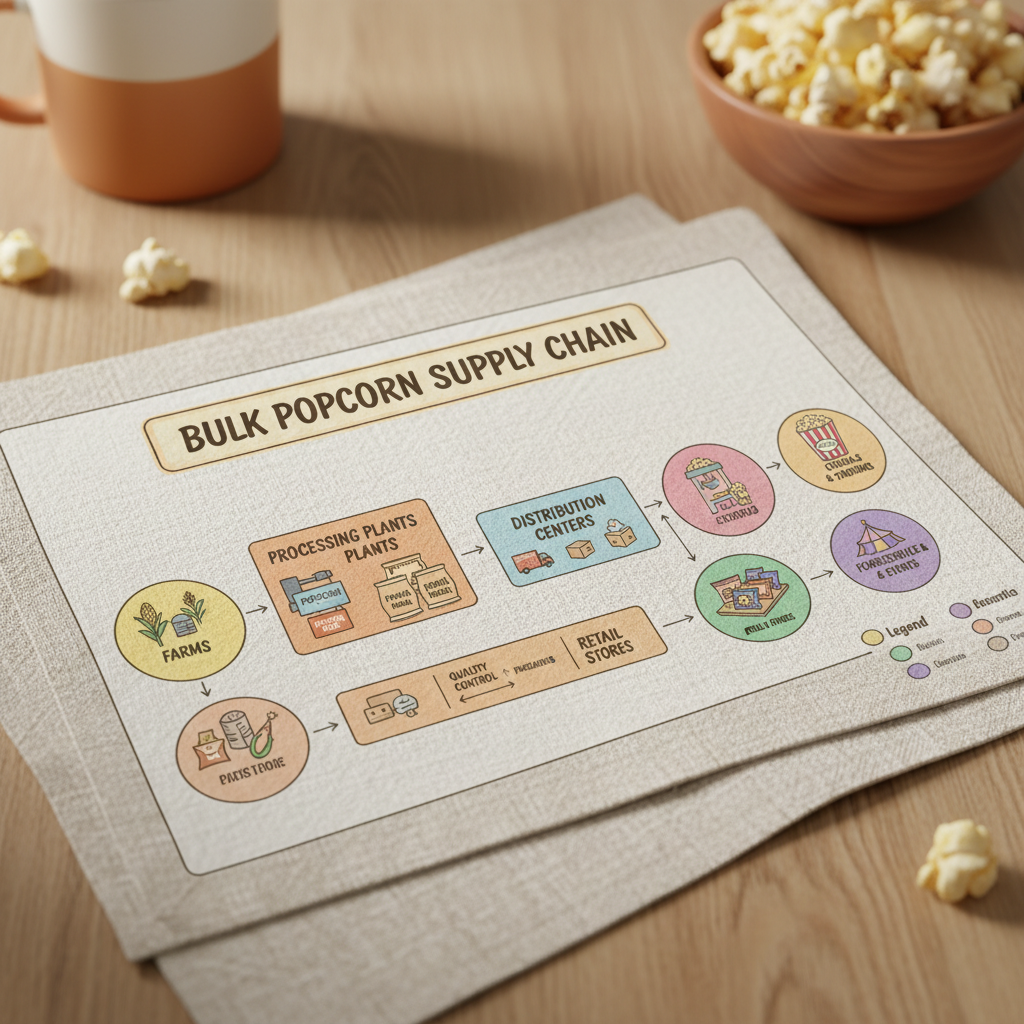
Finally, a robust supply chain and logistics network are paramount to ensuring timely delivery and minimizing disruptions. The manufacturer should have a proven track record of reliability and efficiency in managing inventory and distribution. This component directly impacts the availability of the product to end consumers.
Key Factors Influencing Manufacturer Selection
Selecting the right private label snack food manufacturer is a crucial decision. Several key factors should be considered, including certifications (e.g., GMP, HACCP, FDA), production capacity, minimum order quantities, and geographic location. Understanding the manufacturer’s capabilities and limitations is vital.
Cost is, of course, a significant consideration, but it should not be the sole determining factor. Quality, reliability, and the potential for long-term partnership should also be weighed heavily. It’s important to assess the manufacturer’s commitment to sustainability and ethical sourcing practices as well.
Manufacturer Evaluation Criteria
Global Applications and Industry Sectors
The applications of private label snack food manufacturers are diverse and span numerous industry sectors. Retail grocery stores are the most prominent users, leveraging these services to offer store-brand snacks that compete with national brands. Convenience stores and discount retailers also rely heavily on private label options.
The food service industry, including restaurants, hotels, and catering companies, utilizes private label manufacturing for customized snack offerings. Additionally, companies in the healthcare and education sectors often source snacks through private label manufacturers to meet specific dietary requirements or budget constraints.
Advantages and Long-Term Value Proposition
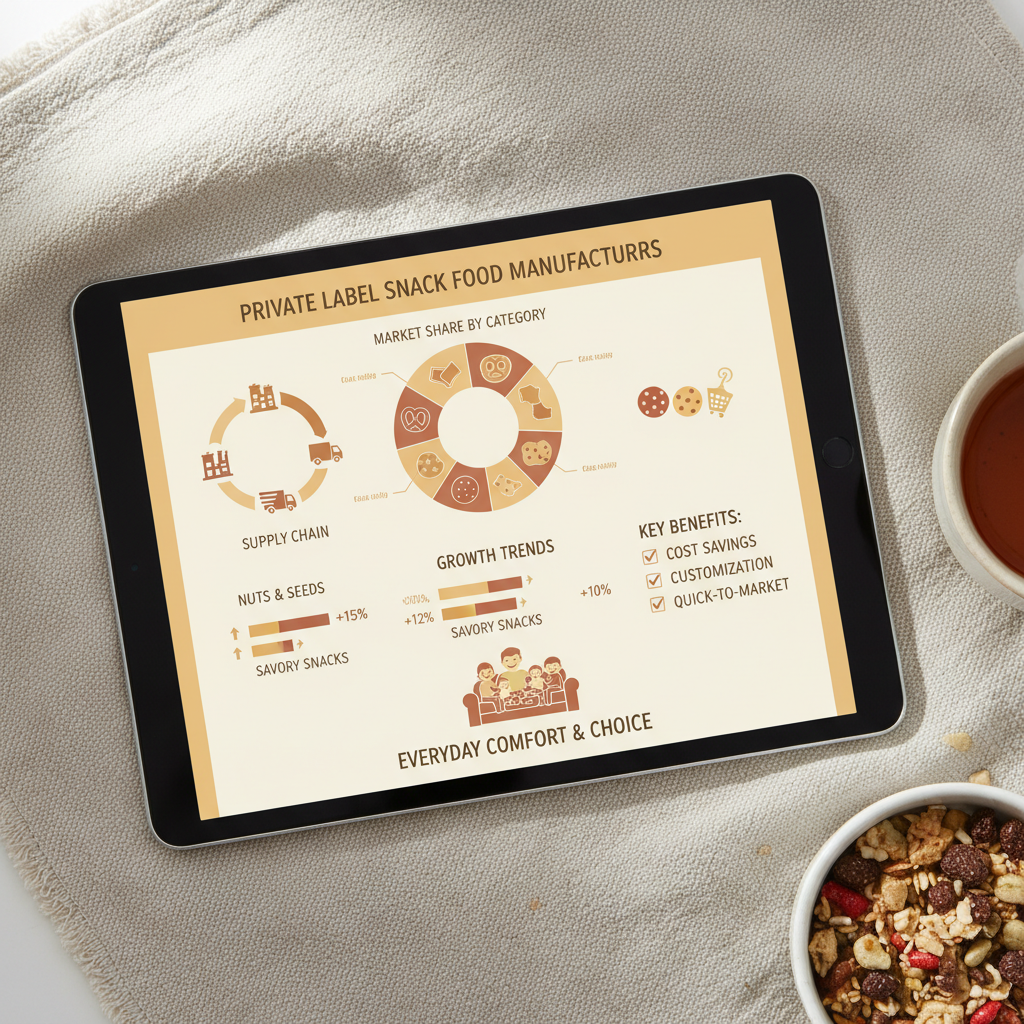
The advantages of partnering with private label snack food manufacturers are numerous. Cost savings are a primary benefit, as businesses can avoid the significant capital investment and operational expenses associated with in-house production. Increased flexibility and scalability are also key advantages, allowing companies to quickly respond to changing market demands.
Furthermore, private label manufacturing enhances brand differentiation and allows businesses to build customer loyalty through unique product offerings. A strong partnership fosters innovation and continuous improvement, leading to long-term value creation. Ultimately, it's about creating a product that resonates with consumers and strengthens brand identity.
Future Trends and Innovations in the Industry
The future of private label snack food manufacturing is poised for significant innovation. Sustainability is a growing trend, with consumers demanding eco-friendly packaging and responsibly sourced ingredients. Manufacturers are increasingly adopting green technologies and practices to reduce their environmental impact.
Digitalization and automation are also transforming the industry, improving efficiency, and reducing costs. Artificial intelligence (AI) is being used for quality control, predictive maintenance, and supply chain optimization. The development of innovative snack formulations, catering to health-conscious consumers, will continue to drive growth.
Personalized snack options, tailored to individual dietary needs and preferences, are another emerging trend. Advanced data analytics and consumer insights will play a critical role in delivering these customized solutions.
Challenges and Solutions in Private Label Snack Food Manufacturing
Despite the many benefits, private label snack food manufacturers and their clients face certain challenges. Maintaining consistent quality control across large production runs can be difficult. Navigating complex food safety regulations and ensuring compliance can be a burden. Supply chain disruptions and ingredient price volatility also pose ongoing risks.
Solutions involve implementing robust quality management systems, investing in advanced testing equipment, and establishing strong relationships with reliable suppliers. Diversifying sourcing options and adopting proactive risk management strategies can mitigate supply chain vulnerabilities. Furthermore, embracing transparency and traceability throughout the supply chain builds trust with consumers.
Investing in employee training and development is crucial for ensuring a skilled workforce capable of meeting evolving industry standards. Open communication and collaboration between manufacturers and clients are also essential for addressing challenges effectively.
Summary of Common Challenges & Mitigation Strategies
| Challenge |
Impact |
Mitigation Strategy |
Implementation Cost (Scale 1-10) |
| Quality Control Consistency |
Product recalls, brand damage |
Implement rigorous testing protocols, HACCP compliance |
7 |
| Regulatory Compliance |
Fines, legal issues |
Maintain updated certifications (GMP, FDA) |
6 |
| Supply Chain Disruptions |
Production delays, ingredient shortages |
Diversify suppliers, build buffer inventory |
5 |
| Ingredient Price Volatility |
Reduced profit margins |
Long-term contracts, hedging strategies |
4 |
| Communication Breakdown |
Misunderstandings, errors in production |
Regular meetings, clear documentation |
2 |
| Lack of Innovation |
Loss of market share, reduced competitiveness |
Invest in R&D, collaborative product development |
8 |
FAQS
The MOQ can vary significantly depending on the manufacturer, the complexity of the snack, and the packaging requirements. Generally, you can expect MOQs to range from a few thousand units per flavor to tens of thousands, depending on the specific product. It's best to discuss your anticipated volumes with potential manufacturers early in the process to ensure alignment. Negotiating MOQs can sometimes be possible, especially for established brands or long-term partnerships.
The product development timeline can vary, but generally ranges from 4 to 12 weeks. This includes formulation, sample production, taste testing, packaging design, and regulatory approvals. Complex formulations or unique packaging requirements may extend the timeline. A collaborative approach with the manufacturer, providing clear specifications and timely feedback, is crucial for minimizing delays.
Essential certifications include Good Manufacturing Practices (GMP), Hazard Analysis and Critical Control Points (HACCP), and Food and Drug Administration (FDA) registration. Depending on your target market and specific product, other certifications like organic, gluten-free, or kosher may also be important. These certifications demonstrate the manufacturer's commitment to quality and food safety standards.
Yes, many private label snack food manufacturers offer packaging design and sourcing services. They can assist with creating visually appealing packaging that meets branding guidelines and regulatory requirements. They also have established relationships with packaging suppliers, which can help optimize costs and lead times. It's important to clearly communicate your packaging preferences and budget to the manufacturer.
Typical payment terms involve a deposit (usually 30-50%) upon order confirmation, followed by the remaining balance upon shipment or delivery. Some manufacturers may offer letter of credit (LC) options for larger orders. Negotiating payment terms is possible, especially with long-term partnerships. It’s crucial to have a clear understanding of the payment schedule and any associated fees before finalizing the contract.
A robust Non-Disclosure Agreement (NDA) is essential for protecting your confidential information, including formulas and branding assets. The contract should also include clauses addressing intellectual property ownership and confidentiality. Thoroughly vetting the manufacturer's reputation and security measures is crucial. Consider seeking legal counsel to review the contract and ensure adequate protection.
Conclusion
In conclusion, private label snack food manufacturers represent a powerful resource for businesses seeking to enter or expand their presence in the dynamic snack food market. By understanding the key factors influencing manufacturer selection, embracing innovative approaches, and prioritizing quality and sustainability, companies can unlock significant opportunities for growth and success. This model offers cost-effectiveness, scalability, and brand differentiation, allowing for a tailored approach to meet evolving consumer demands.
Looking ahead, the industry will continue to be shaped by trends towards healthier snacks, sustainable packaging, and personalized options. By fostering strong partnerships with manufacturers and investing in research and development, businesses can stay ahead of the curve and capitalize on these emerging opportunities. Consider visiting www.indiampopcorn.com to explore how a dedicated private label partner can elevate your snack food brand.