The global demand for certified gluten free snacks has surged as consumers become increasingly aware of celiac disease, gluten sensitivity, and the general wellness benefits of a gluten-free diet. For many, these snacks are not just a dietary preference but a medical necessity, requiring stringent production standards to ensure zero cross-contamination.
In the competitive landscape of puffed food manufacturing, achieving a certified status means adhering to rigorous international standards that verify the absence of gluten-containing grains like wheat, barley, and rye. This commitment to purity allows brands to expand their market reach, appealing to health-conscious demographics and those with restrictive dietary requirements worldwide.
Understanding the intricacies of certified gluten free snacks—from the selection of raw corn and rice to the specialized cleaning of extrusion machinery—is essential for manufacturers aiming to deliver safe, delicious, and trustworthy products to the global marketplace.
Global Market Relevance of Certified Gluten Free Snacks
The proliferation of certified gluten free snacks is mirrored by a significant shift in global dietary habits. According to market analysis aligned with ISO standards for food safety, the gluten-free sector is no longer a niche market but a mainstream powerhouse, driven by an increase in diagnosed celiac cases and a broader trend toward "clean label" eating.
For manufacturers of puffed foods, the challenge lies in the "invisible" threat of cross-contact. Even a trace amount of gluten can trigger an adverse reaction, making the certification process a critical barrier to entry and a powerful tool for brand differentiation in North American and European markets.
Defining Standards for Certified Gluten Free Snacks
When we speak of certified gluten free snacks, we are referring to products that have undergone third-party validation to ensure they contain less than 20 parts per million (ppm) of gluten. This threshold is the internationally recognized limit established by the Codex Alimentarius, ensuring that the food is safe for the vast majority of gluten-sensitive individuals.
Certification goes beyond simply omitting wheat from the recipe. It encompasses a holistic audit of the entire supply chain—from the farm where the corn is grown to the packaging facility. This ensures that the "Certified" label is not just a marketing claim, but a guarantee of safety and purity.
In the context of puffed snacks, this involves utilizing dedicated production lines or implementing "deep clean" protocols that are scientifically verified. By bridging the gap between industrial capability and humanitarian health needs, certification provides peace of mind to millions of consumers globally.
Core Components of Gluten-Free Production
The primary pillar of producing certified gluten free snacks is Raw Material Integrity. This requires sourcing maize, rice, or other grains from suppliers who can prove their crops are not grown in rotation with wheat or transported in contaminated containers.
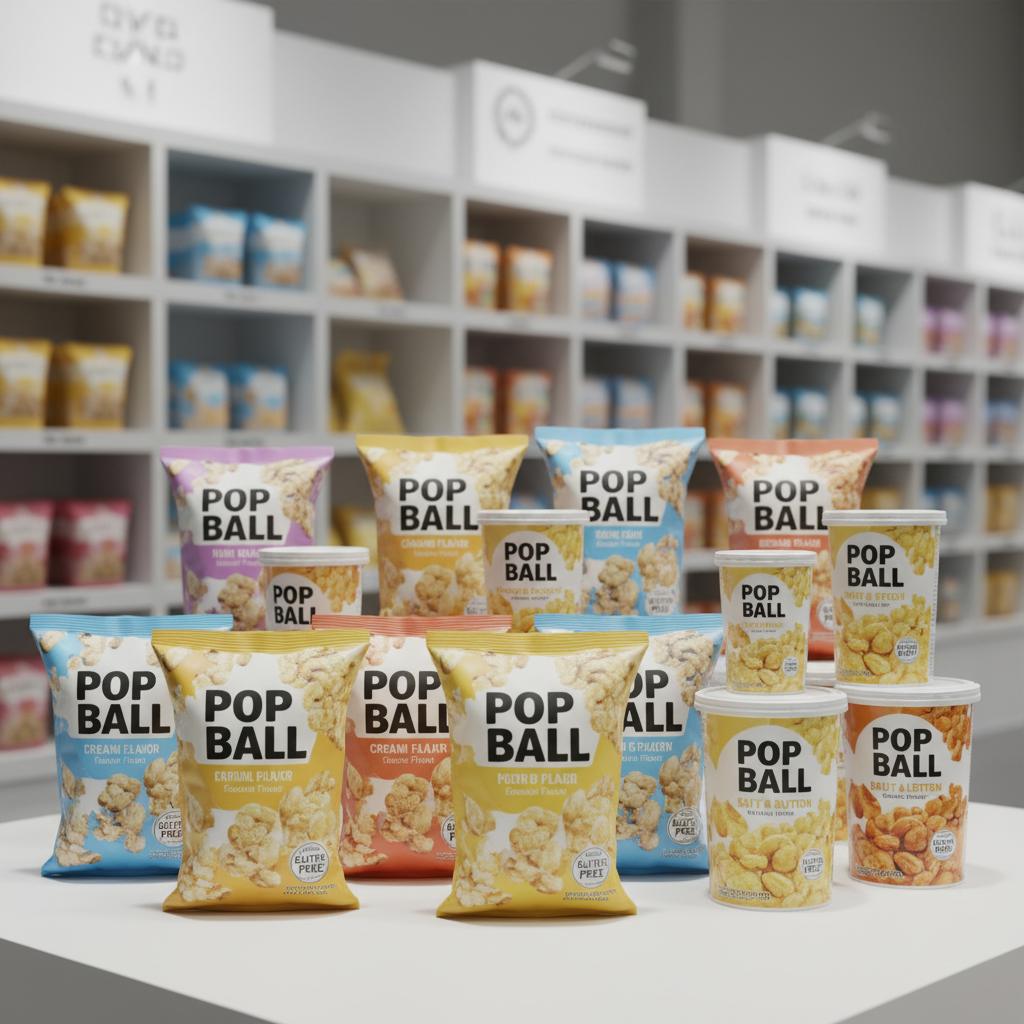
Another critical factor is Equipment Scalability and Segregation. In a large-scale facility, the use of dedicated extruders for Pop Ball or Soft Corn products prevents the risk of residual gluten contaminating new batches, ensuring a consistent safety profile across all product lines.
Finally, Rigorous Testing Protocols must be implemented. Using ELISA (Enzyme-Linked Immunosorbent Assay) testing on every batch of certified gluten free snacks allows manufacturers to maintain an airtight quality control system, eliminating human error in the production process.
Performance Metrics of Popular Gluten-Free Varieties
Different types of puffed snacks offer varying levels of consumer appeal based on texture, flavor, and nutritional density. When analyzing certified gluten free snacks, we often compare the "crunch factor" and taste profile of corn-based versus rice-based alternatives.
From the buttery richness of Popcorn Honey Butter Flavor to the tangy appeal of Salt & Lemon Flavor, the goal is to ensure that the removal of gluten does not compromise the sensory experience. The following data illustrates the performance ratings of our top-performing gluten-free categories.
Comparative Quality Rating of Certified Gluten Free Snacks
Global Applications and Consumption Trends
The application of certified gluten free snacks extends far beyond the retail shelf. In school cafeteria programs across Europe and North America, these snacks are essential for inclusivity, ensuring that children with allergies can enjoy the same treat as their peers without health risks.
Furthermore, in the hospitality and aviation sectors, there is a growing trend toward providing gluten-free options in "grab-and-go" kits. By offering certified Popcorn or Pop Ball varieties, airlines can cater to a diverse international passenger base, enhancing the overall passenger experience through dietary safety.
Long-term Value and Consumer Trust
The long-term value of investing in certified gluten free snacks lies in the establishment of unwavering brand trust. For a consumer with celiac disease, a brand that consistently provides certified-safe products becomes a lifelong partner in their health journey.
Beyond the medical necessity, there is a strong emotional component. The ability to eat a snack without fear provides a sense of dignity and normalcy. When a manufacturer prioritizes this safety, they are not just selling a product; they are selling peace of mind and accessibility.
From a business perspective, this trust translates into higher customer loyalty and the ability to command a premium price point. The reliability of a certified process reduces the risk of costly recalls and protects the company's reputation in an era of instant social media feedback.
Future Innovations in Gluten-Free Puffed Foods
The future of certified gluten free snacks is being shaped by the integration of sustainable ingredients and digital traceability. We are seeing a shift toward "ancient grains" like quinoa and amaranth, which are naturally gluten-free and offer superior nutritional profiles compared to traditional corn.
Digital transformation is also playing a role, with blockchain technology being explored to track the journey of a corn kernel from the farm to the final puffed snack. This allows consumers to scan a QR code and verify the gluten-free status of their specific batch in real-time.
Additionally, automation in "clean-room" manufacturing is reducing the risk of human-introduced contaminants. The marriage of green energy in production and high-precision robotics ensures that the next generation of gluten-free snacks will be as sustainable as they are safe.
Comparative Analysis of Gluten-Free Manufacturing Approaches
| Approach Method |
Safety Level |
Production Cost |
Market Reach |
| Dedicated GF Facility |
Maximum (10/10) |
Very High |
Global Premium |
| Scheduled Batch Cleaning |
High (7/10) |
Moderate |
Regional Mid-Market |
| Ingredient-Only Swap |
Low (3/10) |
Low |
Limited/Niche |
| Hybrid Automated Lines |
Very High (9/10) |
High |
Wide International |
| Co-Packing Partnerships |
Variable (6/10) |
Moderate |
Strategic Niche |
| Artisan Small-Batch |
High (8/10) |
Moderate |
Local Gourmet |
FAQS
A snack is certified gluten-free when it has been audited by a third-party organization to ensure it contains less than 20 ppm of gluten. This involves checking the raw materials, the production environment, and the final product through lab testing, ensuring it meets international safety standards for those with celiac disease.
While corn is naturally gluten-free, the "certified" part is crucial. Many corn snacks are processed on equipment that also handles wheat-based products. Certification guarantees that the manufacturing process prevents cross-contamination, making them safe for highly sensitive individuals.
A general "gluten-free" claim may only mean the ingredients are GF. However, "Certified" means the facility's practices were verified. For those with severe allergies, certified snacks are the only way to ensure the product is free from invisible cross-contact contaminants.
Not at all. In fact, using high-quality, pure corn and rice often improves the taste. Our certified gluten free snacks, like the Caramel or Honey Butter flavors, are designed to provide the same indulgence and crunch as traditional snacks without the health risks.
We utilize dedicated production lines, strict staff hygiene protocols, and rigorous cleaning schedules. Additionally, we perform batch testing using ELISA methods to ensure every bag of snacks leaving our facility is strictly below the 20 ppm gluten threshold.
Yes, the cost is slightly higher due to the need for specialized sourcing, dedicated equipment, and third-party audit fees. However, this investment ensures the highest level of safety and opens up premium global markets that demand certified standards.
Conclusion
In summary, certified gluten free snacks represent a critical intersection of food science, safety, and consumer inclusivity. By adhering to strict purity standards and investing in dedicated production processes, manufacturers can provide safe, high-quality treats like Popcorn and Pop Balls that cater to a growing global population of gluten-sensitive individuals. The transition from simple ingredient avoidance to full certification is what transforms a product from a "dietary option" into a trusted health guarantee.
Looking forward, the industry will continue to evolve through the use of sustainable ancient grains and blockchain-backed transparency. We encourage businesses to embrace these certifications not just as a compliance measure, but as a commitment to consumer well-being. For those seeking a reliable partner in high-quality, certified puffed foods, we invite you to explore our professional manufacturing solutions. Visit our website: www.indiampopcorn.com