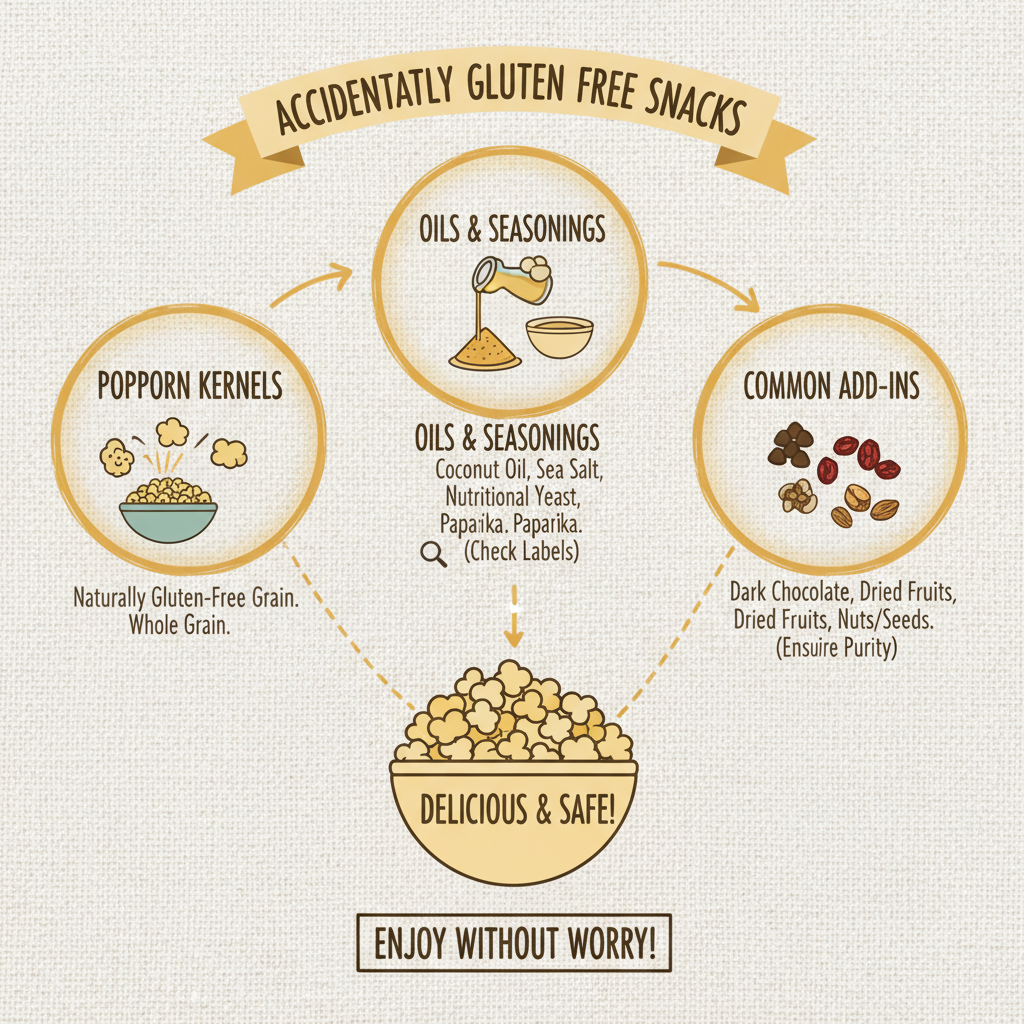
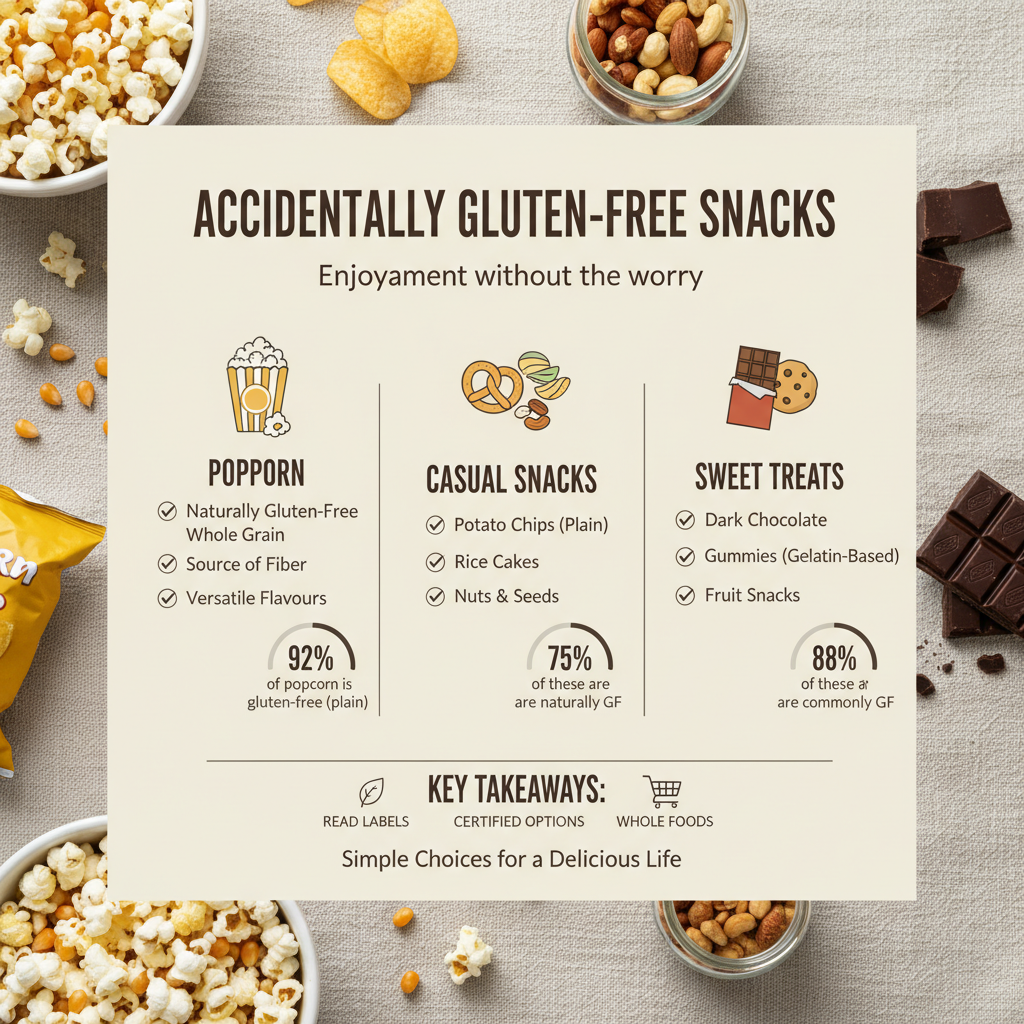
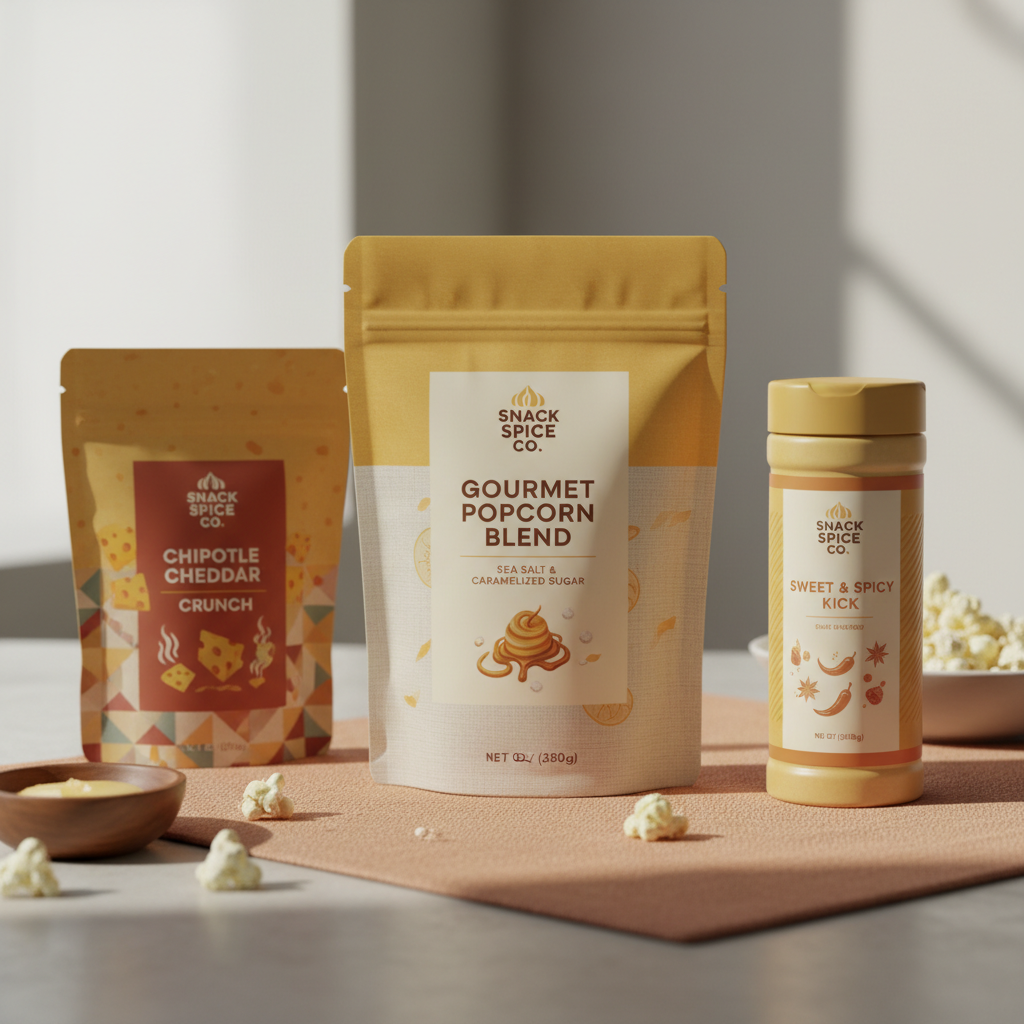
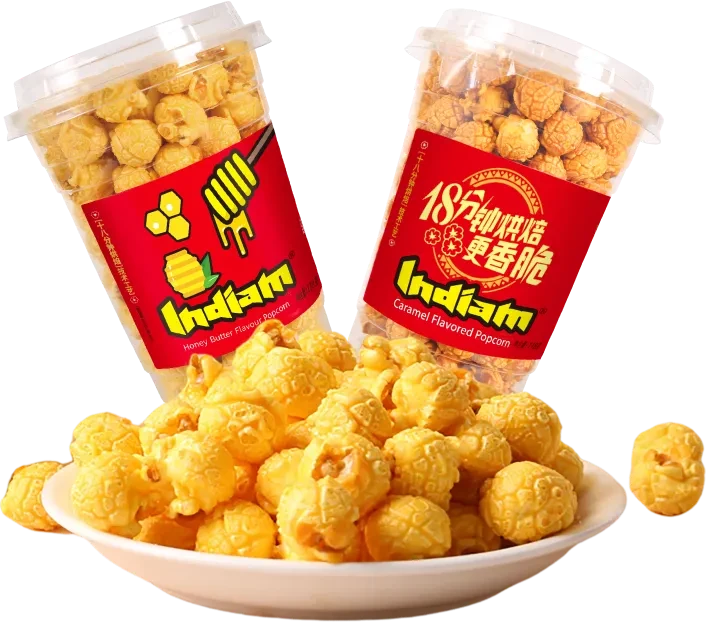
In the evolving landscape of dietary preferences and health requirements, the discovery of accidentally gluten free snacks has become a game-changer for millions. These are products that are naturally devoid of gluten due to their core ingredients, rather than being specially reformulated or processed as "gluten-free" certified products. For those navigating celiac disease or gluten sensitivities, identifying these hidden gems allows for a more diverse and satisfying snacking experience without the premium price tag often associated with specialty health foods.
Across the globe, the demand for inclusive eating is rising. From the bustle of urban centers to remote communities, people are seeking transparency in food labeling. The beauty of naturally gluten-free options lies in their simplicity—using raw materials like corn, nuts, and seeds that haven't been contaminated by wheat, barley, or rye. This shift isn't just about health; it's about accessibility and the joy of enjoying a crunch that feels safe and natural.
Understanding the nuances of these snacks helps consumers make informed choices while encouraging manufacturers to maintain purity in their production lines. By focusing on products like Popcorn and Soft Corn, the industry can provide delicious, high-energy options that cater to a wide demographic. Whether it is a Caramel flavor or a Salt & Lemon kick, the goal is to merge gourmet taste with inherent dietary safety.
Global Demand for Naturally Gluten-Free Options
The global appetite for accidentally gluten free snacks has surged as awareness of autoimmune disorders and gluten intolerance grows. According to health trends aligned with WHO guidelines, the prevalence of non-celiac gluten sensitivity is increasing, driving consumers toward corn-based and seed-based alternatives. This shift is particularly evident in North America and Europe, but is rapidly gaining momentum in Asia where traditional rice and corn snacks are being re-evaluated through a modern health lens.
For the food manufacturing industry, this represents a significant opportunity to market existing product lines—like Pop Ball and Popcorn—to a wider audience. The challenge lies in ensuring that these "accidentally" safe products remain free from cross-contamination during the industrial puffing process. By maintaining strict segregation in factories, manufacturers can offer a safe haven for consumers who are tired of the synthetic taste of highly processed gluten-free substitutes.
Defining the Concept of Accidentally Gluten Free Snacks
To put it simply, accidentally gluten free snacks are foods that do not contain gluten ingredients by their very nature. Unlike "Certified Gluten-Free" products, which are specifically developed to replace wheat-based items, these snacks—such as plain popcorn or corn puffs—simply happen to be safe. They are the result of using naturally gluten-free grains like maize, which provides a sturdy, crunchy base without the need for expensive additives or chemical binders.
This distinction is vital for modern humanitarian and commercial needs. In many parts of the world, specialty health foods are prohibitively expensive. By identifying and promoting snacks that are inherently safe, we democratize health. When a Popcorn Honey Butter Flavor snack is produced using pure corn and butter, it serves both the general consumer and the gluten-sensitive individual equally, removing the social and financial stigma of "special diet" food.
From an industrial perspective, this means focusing on raw material purity. The "accident" in the term refers to the fact that the product wasn't necessarily designed for the Celiac market, yet it meets the criteria perfectly. This encourages a return to whole-food ingredients, reducing the reliance on modified starches and synthetic fillers that often plague the processed "free-from" aisle.
Core Components of Safe Snack Manufacturing
The reliability of accidentally gluten free snacks depends heavily on the integrity of the supply chain. The first core component is Ingredient Purity. For products like Soft Corn or Pop Ball, the corn must be sourced from fields and silos where wheat is not stored, preventing the primary source of contamination before the grain even reaches the factory.
Another critical factor is Processing Isolation. In a facility that handles multiple grain types, the machinery used for accidentally gluten free snacks must undergo rigorous cleaning protocols. This ensures that no residual flour from a different production run compromises the safety of the Popcorn Cream Flavor or Salt & Lemon batches, maintaining a strict boundary between gluten-containing and gluten-free zones.
Finally, Additive Transparency is essential. Many seasonings used in snacks contain hidden gluten, such as malt extract or certain thickeners. To keep a snack truly gluten-free, manufacturers must scrutinize every flavor agent, ensuring that the "Caramel" or "Honey Butter" coatings are derived from pure sugars and fats rather than wheat-based syrups.
Practical Applications and Flavor Profiles
In real-world applications, the versatility of accidentally gluten free snacks allows them to fit into various lifestyles, from school lunchboxes to high-end cinema concessions. In regions like Southeast Asia, the adaptation of Soft Corn into a savory snack provides a nutrient-dense alternative to wheat-based crackers. These snacks are particularly valuable in remote industrial zones or post-disaster relief operations where dietary restrictions must be managed without access to specialty pharmacies or health stores.
The commercial success of these snacks lies in their flavor profiles. By utilizing a base of Popcorn, brands can experiment with a wide range of tastes—from the sweetness of Caramel and Honey Butter to the zing of Salt & Lemon—without compromising the gluten-free nature of the product. This ensures that the consumer does not feel they are "sacrificing" taste for the sake of their health.
Consumer Preference for Accidentally Gluten Free Snacks
Long-Term Value of Inclusive Snacking
The long-term value of promoting accidentally gluten free snacks extends beyond simple sales. It fosters a culture of inclusivity and trust between the manufacturer and the consumer. When a brand is transparent about the natural purity of its Pop Ball or Popcorn products, it builds an emotional connection with a community that often feels alienated by traditional food options. This trust translates into brand loyalty that lasts for decades.
Furthermore, from a sustainability standpoint, focusing on naturally gluten-free grains like corn is often more eco-friendly than producing highly engineered gluten-free substitutes. Reducing the need for synthetic binders and complex chemical processing lowers the carbon footprint of the production cycle. By leaning into the inherent properties of the crop, the industry can achieve a balance of health, taste, and environmental responsibility.
Future Trends in Puffed Grain Technology
The future of accidentally gluten free snacks is being shaped by digital transformation and automation. AI-driven sorting technology is now capable of detecting foreign grain contaminants at a microscopic level, ensuring that "accidentally" gluten-free products are safer than ever before. This automation reduces human error and allows for a higher throughput of products like Popcorn Cream Flavor without risking cross-contamination.
We are also seeing a shift toward "green energy" in the extrusion and puffing process. Modern factories are implementing solar-powered heating elements to pop corn and create Pop Balls, aligning the dietary health of the consumer with the health of the planet. This holistic approach to manufacturing is turning simple snacks into symbols of sustainable innovation.
Additionally, the rise of personalized nutrition is leading to the development of functional accidentally gluten free snacks. Imagine Popcorn infused with omega-3s or Soft Corn fortified with plant-based proteins, all while remaining naturally gluten-free. The intersection of nutrition science and snack food is creating a new category of "wellness snacks" that are as indulgent as they are healthy.
Overcoming Challenges in Gluten-Free Certification
One of the primary challenges in the industry is the "certification gap." Many accidentally gluten free snacks are perfectly safe, but the cost of obtaining official GF certification is too high for smaller manufacturers. This creates a dilemma where safe products are not labeled as such, potentially leaving consumers in doubt. The solution lies in improved industry standards and a move toward "transparency labeling" where full ingredient lists and processing disclosures are easily accessible via QR codes.
Another limitation is the variance in raw material quality. Depending on the region, corn may be subject to different contamination risks. Expert insights suggest the implementation of a "block-chain" traceability system, allowing a consumer to trace their bag of Popcorn Honey Butter Flavor back to the specific farm and silo, ensuring an unbroken chain of gluten-free purity.
By combining rigorous internal audits with open communication, brands can bridge the gap between "accidentally" and "certified." The goal is to create a marketplace where safety is a given, not a premium feature. This approach ensures that the joy of snacking remains accessible to everyone, regardless of their medical requirements.
Comparative Analysis of Accidentally Gluten Free Snack Bases
| Snack Base Type |
Inherent GF Safety |
Texture Rating |
Production Cost |
| Popcorn (Kernel) |
Very High |
9/10 |
Low |
| Pop Ball (Corn) |
High |
8/10 |
Medium |
| Soft Corn |
High |
7/10 |
Low |
| Rice Puffs |
Very High |
6/10 |
Medium |
| Corn Tortilla Chips |
Medium-High |
9/10 |
Medium |
| Roasted Peas |
Very High |
8/10 |
High |
FAQS
They are foods that are naturally free of gluten because of their main ingredients (like corn or rice) rather than being specially modified. For example, plain popcorn is "accidentally" gluten-free because corn does not contain gluten. This differs from processed gluten-free bread, which uses substitutes to mimic wheat.
Not necessarily. While corn is naturally gluten-free, the risk lies in cross-contamination. If a Pop Ball is produced on the same equipment as a wheat cracker without proper cleaning, it is no longer safe. Always check for "processed in a facility that also handles wheat" warnings on the packaging.
Complex savory flavors are often riskier. Some "cheese" or "barbecue" seasonings use maltodextrin derived from wheat or barley-based flavor enhancers. Our Salt & Lemon and Honey Butter flavors are designed to avoid these hidden triggers, but it's always best to verify the seasoning source.
The main advantages are taste and cost. Certified products often use gums and starches to replace the texture of gluten, which can change the flavor. Naturally gluten-free snacks like Popcorn offer a pure, traditional taste and are typically more affordable because they don't require expensive certification labels.
Check the ingredient list for wheat, barley, rye, or malt. If the primary ingredient is corn, rice, or a seed, and there are no hidden grain-based additives, it is likely an accidentally gluten-free snack. When in doubt, contact the manufacturer regarding their cross-contamination protocols.
Generally, yes. Corn-based puffed snacks often have a lower glycemic impact than refined wheat flour and are naturally devoid of the proteins that cause inflammation in gluten-sensitive individuals. They provide a satisfying crunch without the digestive distress associated with gluten.
Conclusion
The rise of accidentally gluten free snacks marks a pivotal shift toward a more inclusive and transparent food industry. By leveraging the natural properties of corn—through products like Popcorn, Pop Ball, and Soft Corn—manufacturers can provide delicious, safe, and affordable options for everyone. The combination of ingredient purity, rigorous processing isolation, and a commitment to flavor ensures that dietary restrictions no longer mean sacrificing the joy of snacking.
Looking forward, the integration of AI-driven quality control and sustainable energy will only enhance the reliability and appeal of these snacks. We encourage consumers to embrace the simplicity of naturally gluten-free ingredients and manufacturers to continue prioritizing transparency over marketing gimmicks. For a taste of pure, naturally safe, and gourmet corn snacks, we invite you to explore our full range. Visit our website: www.indiampopcorn.com